Space science
NASA ships eclipse photos of Jupiter
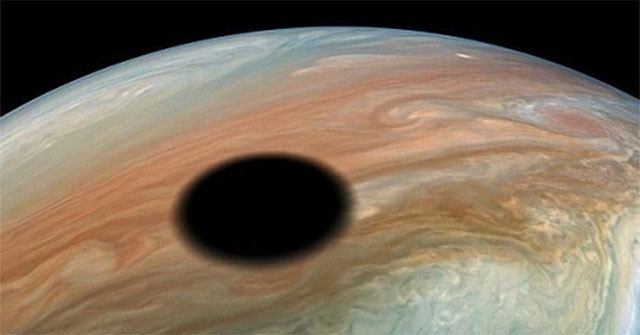
NASA's Juno probe captures the moment when the Moon Io obscures the Sun, creating a shadow on the surface of a giant gas planet.
Browse ScienceInfo articles and explainers related to Solar Eclipse.
92 published items.
NASA's Juno probe captures the moment when the Moon Io obscures the Sun, creating a shadow on the surface of a giant gas planet.
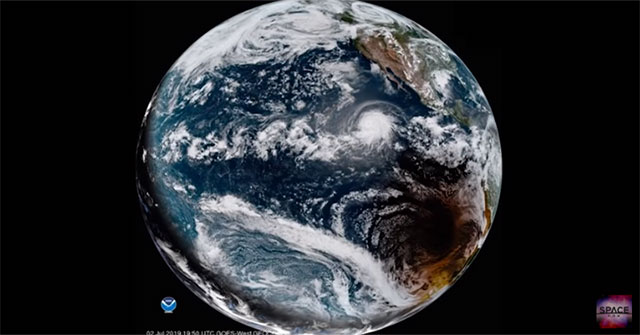
The shadow created by the only total solar eclipse in the year contrasts with the white level 4 storm on the Earth's surface in satellite imagery.
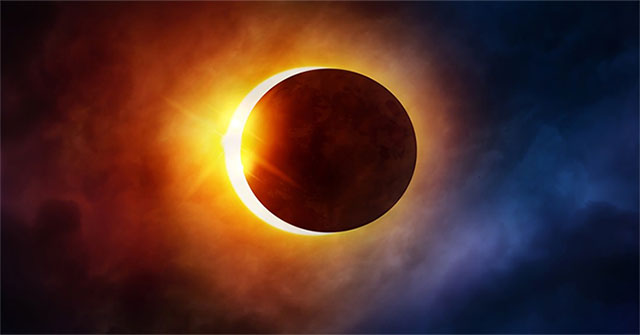
Why is it like that? This is the event that astronomers are waiting for so much?
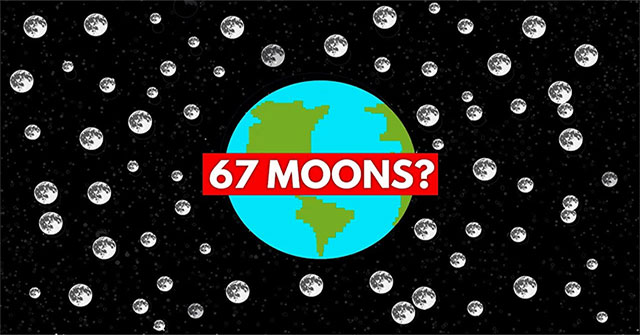
The tides that occur abnormally, more eclipses and harder to launch spacecraft may be a consequence when many moons orbit the Earth.
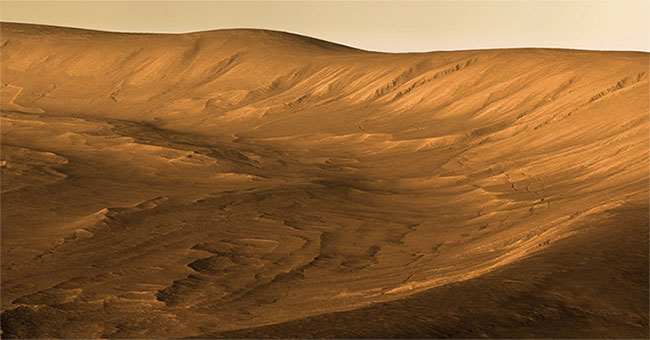
From the storm that can swallow Earth on Jupiter, to the vertical cliffs of 19km high in Uranus satellite, natural marvels in the Solar System will make you ecstatic.

Recent research shows that ancient Mayans could accurately predict astronomical events that took place centuries later.
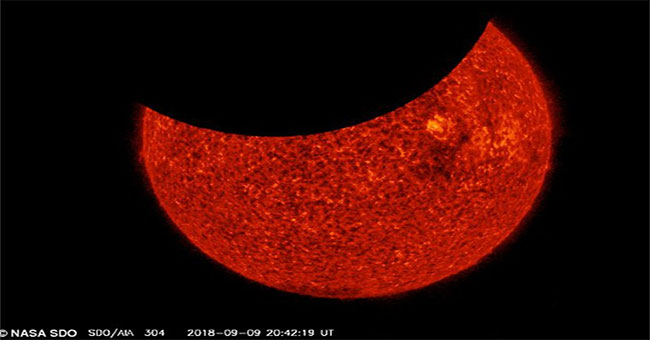
The amazing animation NASA has just shared is made up of many continuous sun images of Solar Dynamics Observatory (SDO), an astronomical observatory placed on a self-pro…
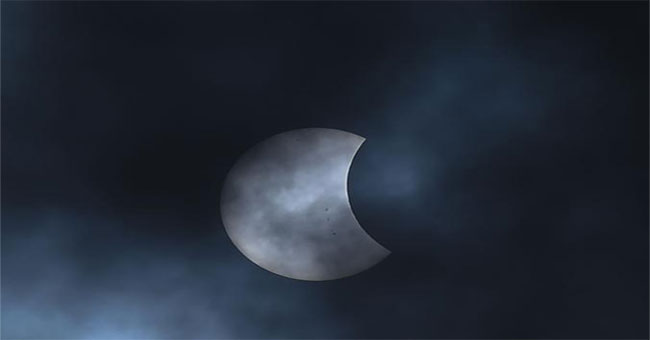
According to National Geographic, on Friday the 13th, a partial solar eclipse will appear in the sky and can be observed from the southeast coast of Australia, Tasmania…

According to British scientists, there is a strange interference between Egyptian and Old Testament stone records of the total solar eclipse.

On August 21, 2017, the transcontinental solar eclipse will take place and Facebook will send an invitation to watch the most spectacular astronomical event of 2017 by N…

Rebecca and Kimberly Yeung, two sisters in Seattle, Washington, are turning science love into a unique opportunity in life.

This is the first time after 99 years, total solar eclipse
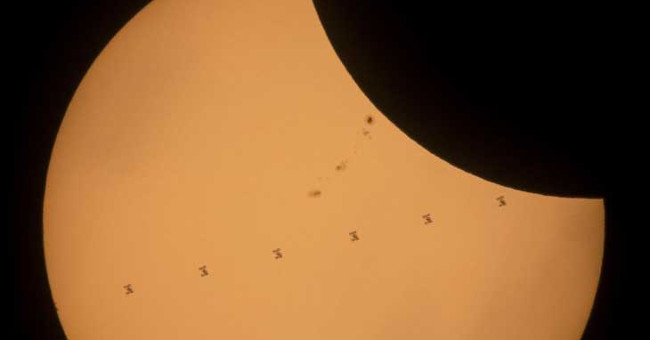
While millions of people gathered in many locations in the United States to observe the solar eclipse of August 21, astronauts on the International Space Station (ISS) h…
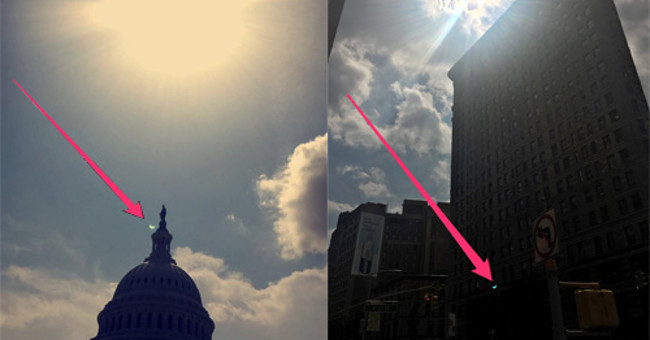
During the total solar eclipse, many witnesses tried to point the camera and smartphone to the sky to capture one of the most remarkable astronomical phenomena this year.
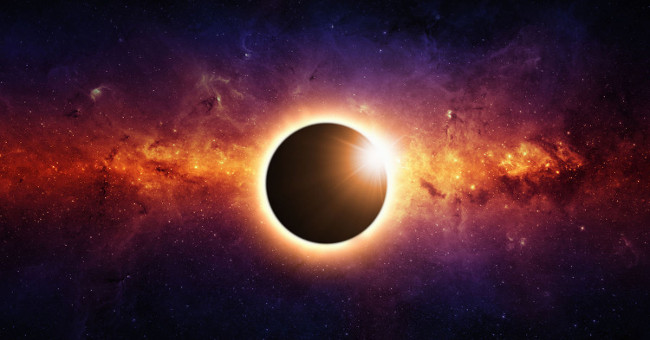
What do you know, on August 21, here, we will have the opportunity to admire the extremely interesting astronomical phenomenon - the total solar eclipse.