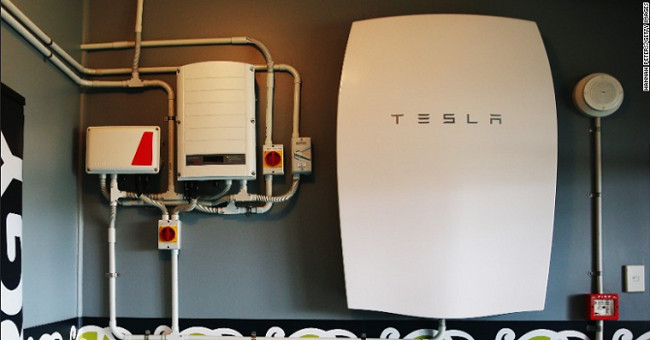
New technology
Is smartphone battery just charging once a week?
The rapid development of modern technology has brought us increasingly slimmer, more compact smartphones and of course with more supportive features.
Browse ScienceInfo articles and explainers related to Solar.
2,143 published items.
The rapid development of modern technology has brought us increasingly slimmer, more compact smartphones and of course with more supportive features.

Solar Impulse 2 Solar Impulse 2 After many days of waiting, delaying and finally the largest solar powered aircraft in the world Solar Impulse 2 landed early on Saturday…
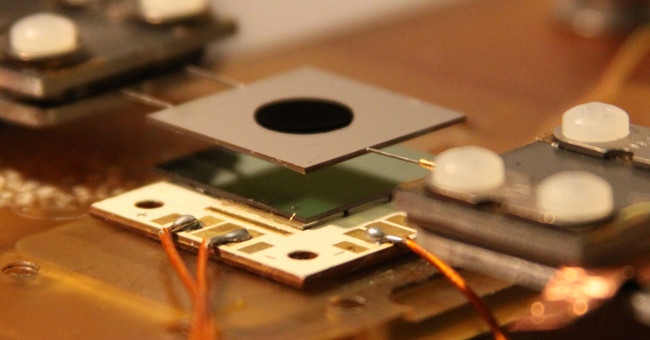
A team of scientists at the MIT Research Institute has discovered a number of methods that can convert solar energy into electricity more efficiently than before.
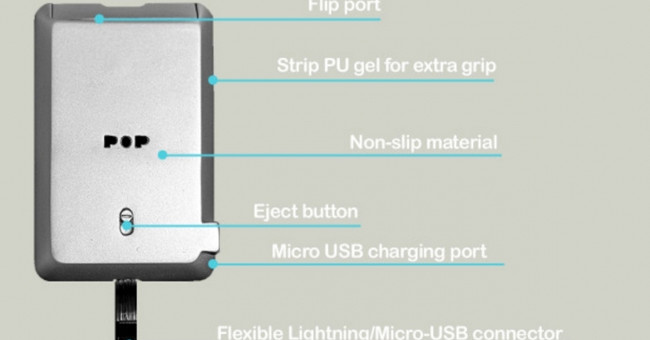
This year we continue to see the rapid development of technology on smartphones, from faster processors, more RAM, larger screens with higher resolutions.

On May 21, the Solar Impulse 2, which landed in Ohio, completed its 11th flight.

US scientists have discovered ways to use sunlight to synthesize ammonia, an important ingredient in fertilizer production.
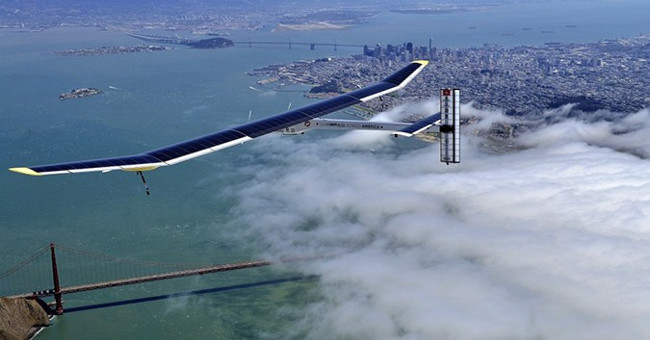
After encountering a few problems last year, the solar plane SI2 again set a record of flying around the world.
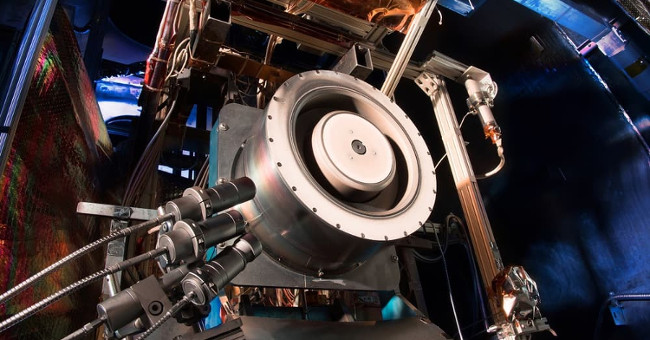
NASA announced today it has signed a three-year contract with a company to develop solar powered propulsion for Mars and other space exploration missions.
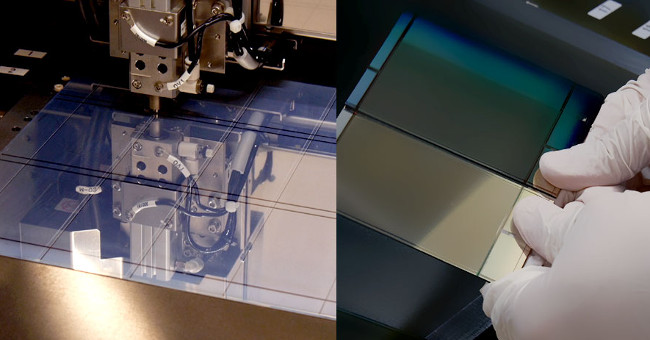
A touch screen that can be used to charge the phone is being tested.

According to the US Aerospace Agency (NASA), this is a promising engine system that can take space ships out of the solar system at a much higher rate than today.
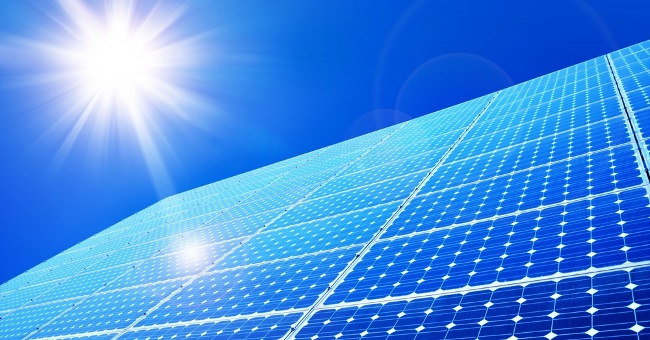
Experts hope, this new discovery will open a new direction for regenerating and increasing the energy absorbed from the Sun.

The solar powered charger is not only sleek, it also runs on rainy days.

Reusable missiles, self-driving cars, immune intervention techniques are just a few of the many technologies that can change the world in the near future.
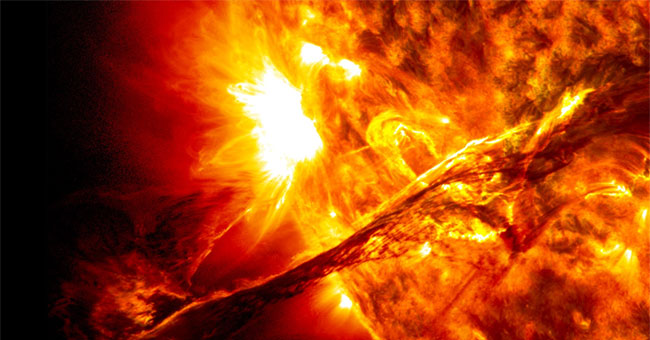
Chinese scientists can produce three times more hot hydrogen gas than the Sun's core by using nuclear fusion and maintaining this temperature for 102 seconds.

The German space agency has successfully tested the technology to allow an unmanned drone or a drone to land on a moving vehicle.