
Discover science
Why is there a 29/2 leap date?
Why is there a leap day? What is a leap year? What is leap month? Let's find out what a leap day, a leap month and a leap year are.
Browse ScienceInfo articles and explainers related to Solar.
2,143 published items.
Why is there a leap day? What is a leap year? What is leap month? Let's find out what a leap day, a leap month and a leap year are.

The positive calendar that we use to calculate the time is called the Gregorian calendar. It was first created in 1582 by Pope Gregory XIII.

In their study, scientists have proposed covering the entire Sahara region (more than 9 million square kilometers) by wind and solar power plants.

Currently globally, renewable energy is using only 16%, too little compared to its actual potential. Renewable energy is mainly used to apply to the electricity industry.

Keeping the beauty, trying to hold the youth to stay young and not old ... is one of the important goals of women.
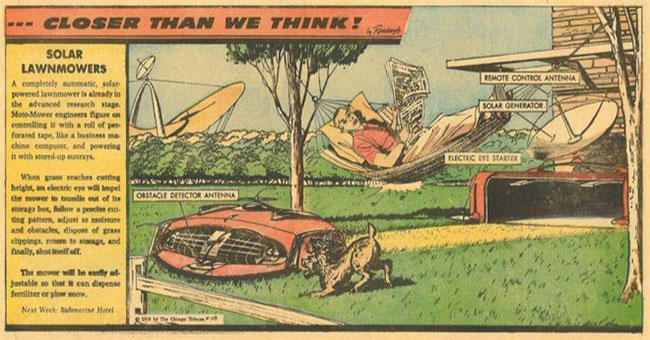
Specifically, the publication was released on June 28, 1959, from comics Closer Than We Think of Arrthur Radebaugh, who said that the solar powered automatic lawn mower…
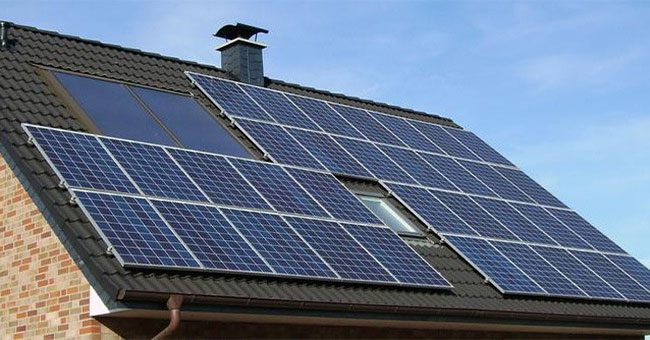
Born in 1946, solar cells have become one of the greatest inventions in the energy industry, with the potential to completely replace traditional fossil fuels.
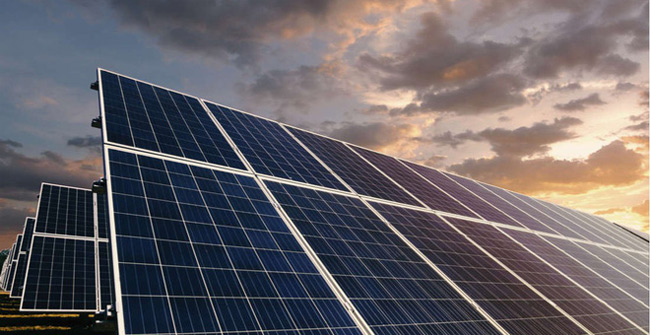
This is an amazing step forward from current technology. If optimized, it will become an energy revolution.

Scientists have discovered the secret to help the Earth resist the huge energy from the Sun.
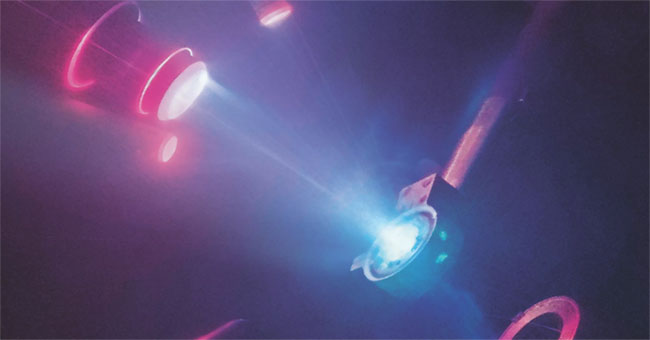
American scientists have successfully created super ion tape for the first time in the laboratory. The findings were published in February in the journal Nature Physics,…

Here, every house and public utility, as well as a master plan, is designed to minimize energy consumption and optimize the opportunity to use renewable energy.

As artisans who have created countless great ships, both sailors who have wavered over them, they, the Vikings ruled the North Atlantic waters from 900 to 1200.

However, according to scientists, this ice has a lot in the Solar System.
In the next 100 years, what technologies will change the world? How will they make our lives better, cleaner, safer, more productive and more enjoyable?

According to research published in the American journal Chem, Canadian scientists have just created a smart window that can change colors to save energy.