Space science
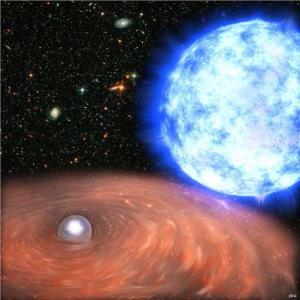
A white dwarf will explode in the next few million years
The European Space Agency's (ESA) XMM-Newton telescope has obtained the first close-up image of a white dwarf moving around its twin star ...
Browse ScienceInfo articles and explainers related to Star.
2,095 published items.
The European Space Agency's (ESA) XMM-Newton telescope has obtained the first close-up image of a white dwarf moving around its twin star ...

Buzz Lightyear, the toy star in Disney's Toy Story, returned to Earth after 15 months of exploding stars, setting the record for the longest space astronaut ever.
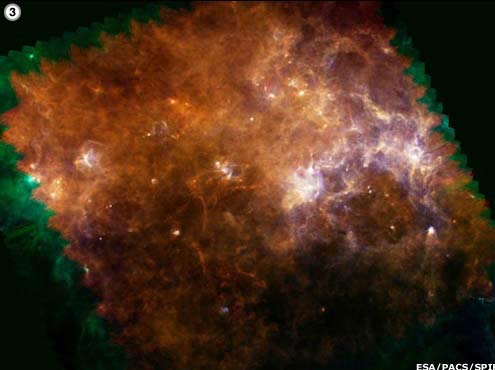
After striking images of the Milky Way, Herschel Observatory intends to conduct a larger study thanks to two Spire - Pacs devices, but the plan is slowing down because s…
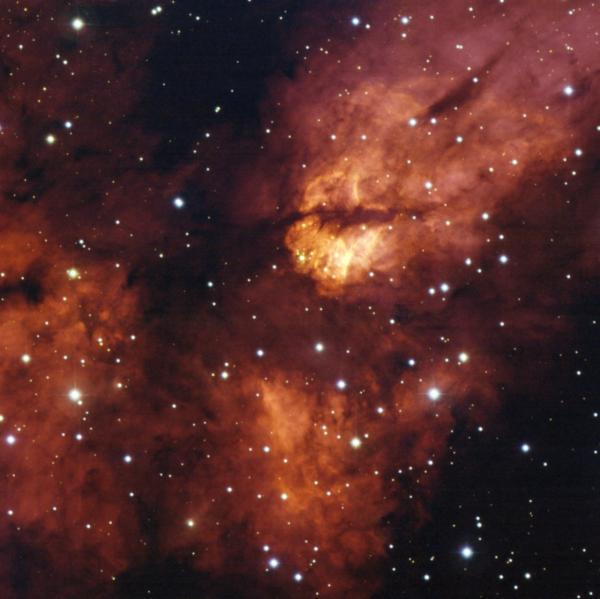
ESO recently published a series of central shots of a cosmic cloud called RCW 38, along with the newly created stars and planetary systems.
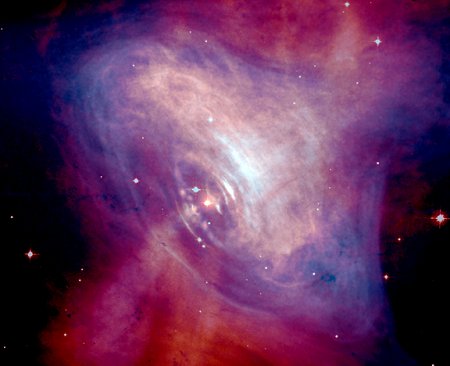
About 10 years ago the Columbia spacecraft launched with the astronomers' hopes and dreams - Chandra X-ray Observatory
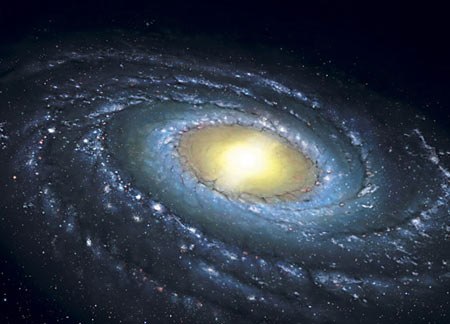
Some small galaxies have collided with the Milky Way. Similar clashes still occur in the future, but they cannot destroy the Milky Way as predicted by many scientists.
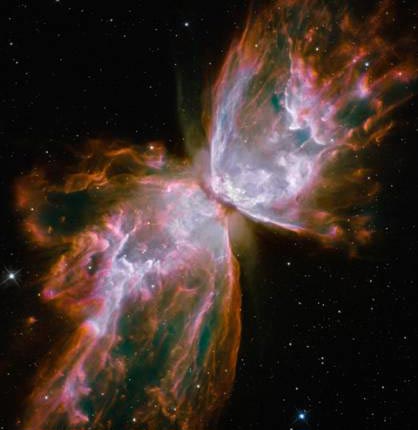
After being repaired, the Hubble space telescope sent extremely sharp images to Earth, including a butterfly-shaped nebula.
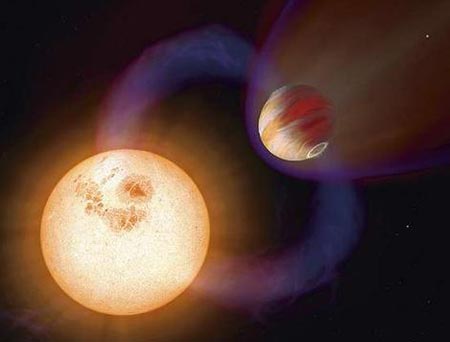
Astronomers in the UK have found the first planet to turn against its own star. The star forms when a cloud of dust and gas shrinks, causing its own mass to increase
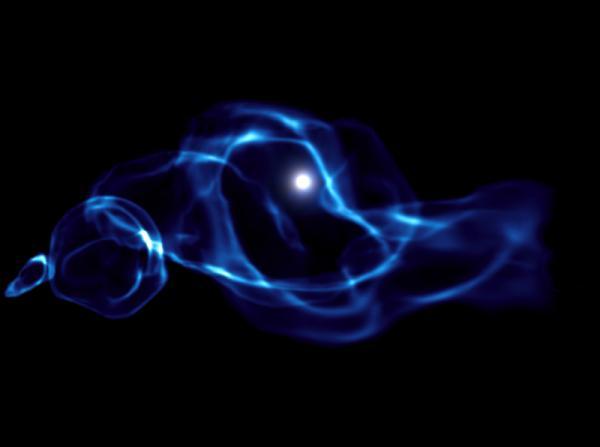
The first black holes in the universe have a huge impact on their surroundings despite the fact that they are small and grow very slowly, following new supercomputer mod…
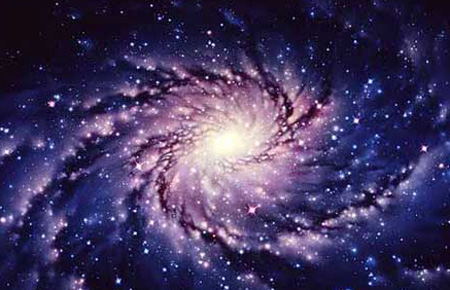
Two scientists from the University of California (USA) - judged that the gravitational force from a galaxy causes disturbances in the Milky Way's disk of dust.
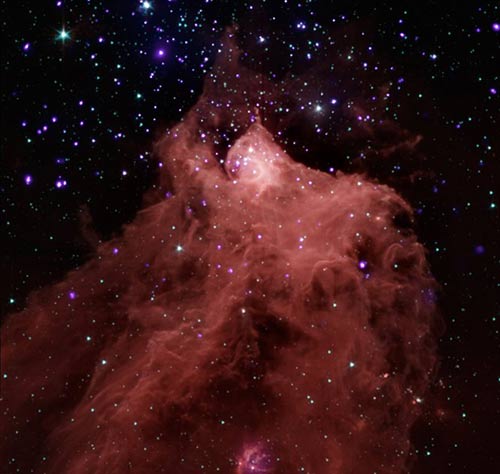
A new study by two NASA observatories provides new knowledge about star formation, along with a very beautiful picture of a star-forming region in our galaxy.
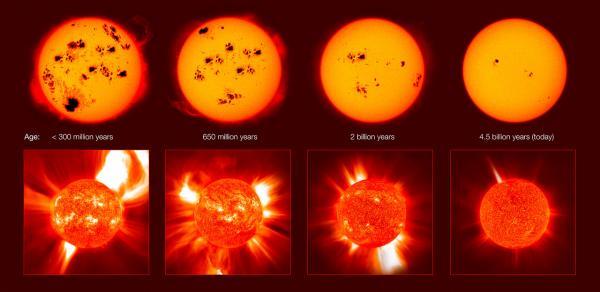
One of the hottest topics in the 27th joint study of the International Astronomical Society (IAU) in Rio de Janeiro, Brazil includes studying astronomical conditions sui…
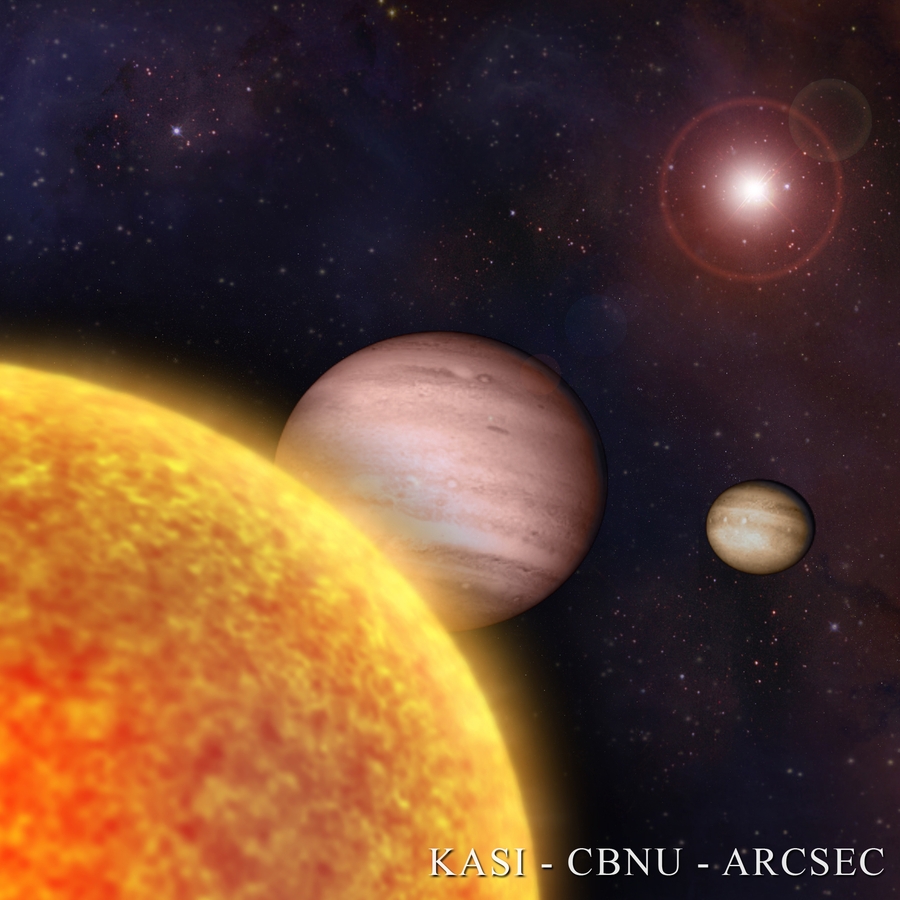
A group of scientists has discovered a new planet that moves abnormally around its host star. The planet is called WASP-17 and revolves around a star located 1,000 light…
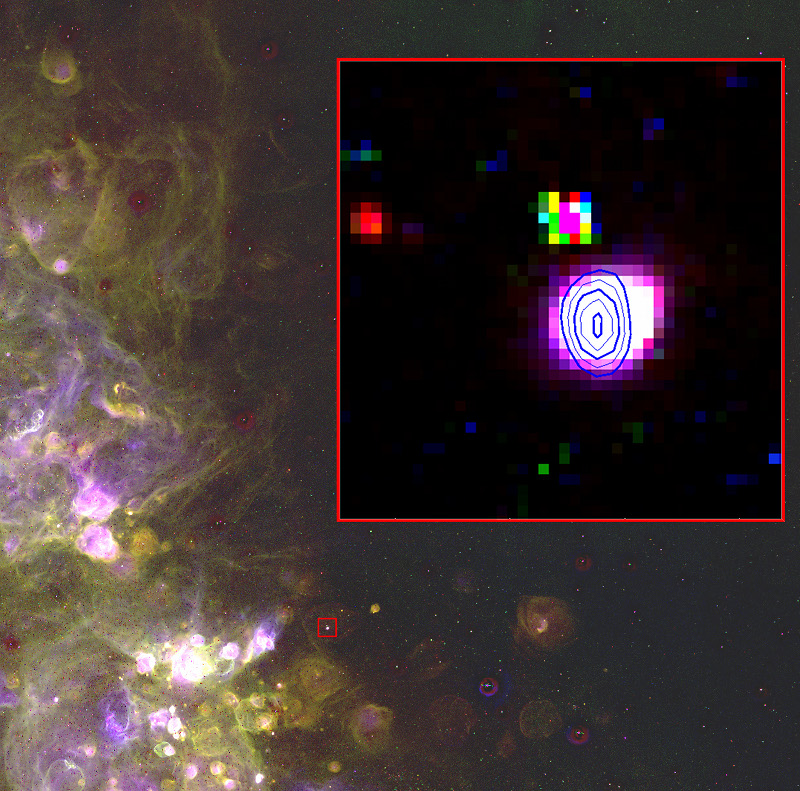
A group of scientists in Australia and the United States, led by Professor Miroslav Filipović from the University of Western Sydney, discovered a new class of objects ca…
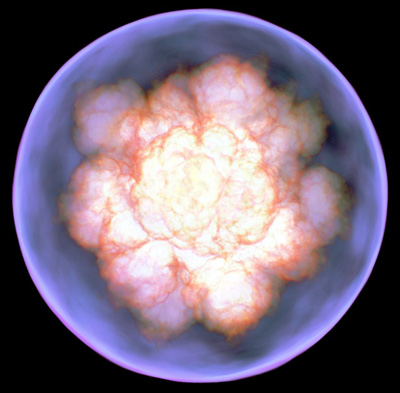
Star explosions known as type 1a supernovae have long been used as a standard candle, their constant brightness is a way for astronomers to measure cosmic distances. and…