Space science
The future of the universe: A Big Crunch or another Big Bang
Will the universe continue to expand and eventually end with the state of nihilism that diffuses dry, cold, and black?
Browse ScienceInfo articles and explainers related to Star.
2,095 published items.
Will the universe continue to expand and eventually end with the state of nihilism that diffuses dry, cold, and black?
One of the most shocking predictions that Einstein's gravitational theory is given is the existence of black holes.
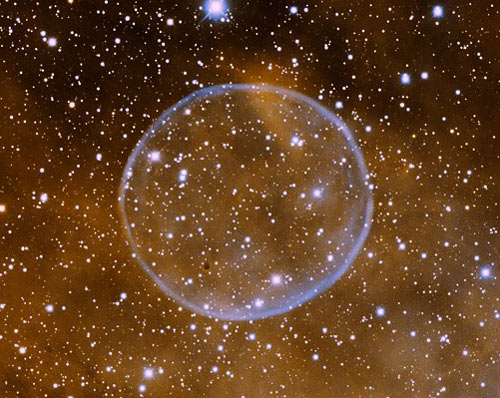
At first glance the picture below you will think it is the soap bubbles that some child makes, but it is actually a newly discovered nebula in the universe.
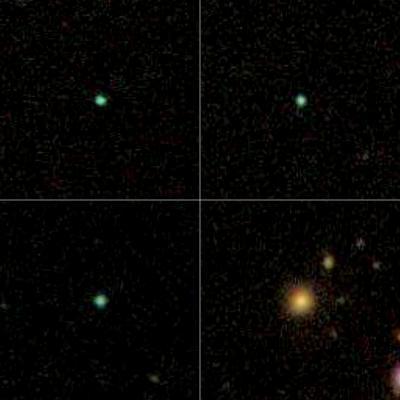
A team of astronomers discovered a rare cluster of galaxies called 'Green Peas' with the help of other scientists through an online project Galaxy Zoo.
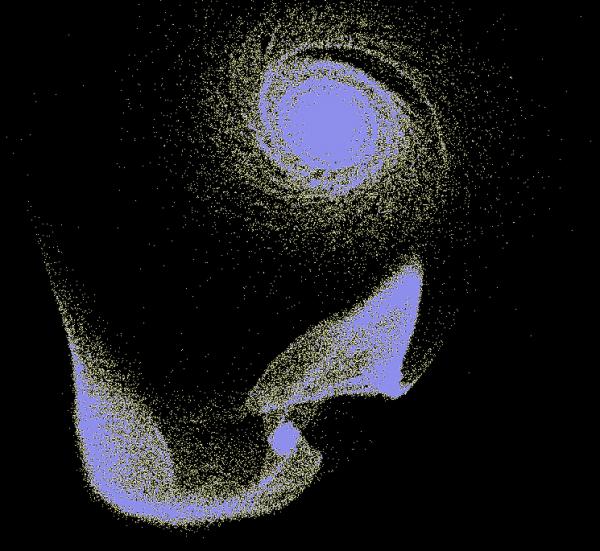
The new study, published July 30 in Nature, explains the origin of spherical dwarf galaxies.
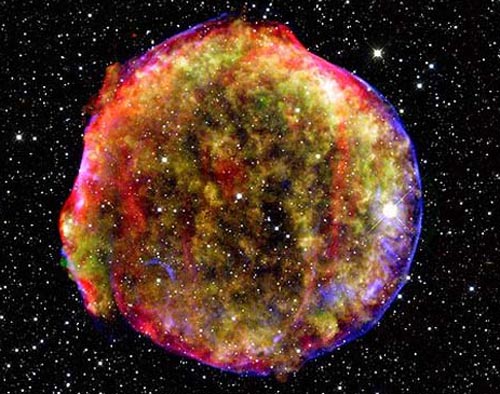
Physicists working at Argonne National Laboratory (USA) use supercomputers to build a model of the demise of big stars.
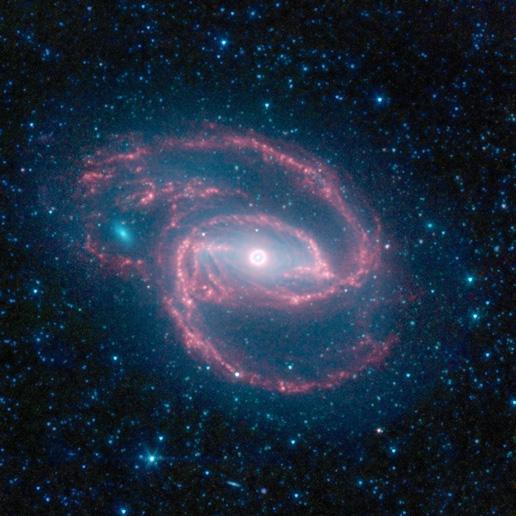
NASA's Spitzer Space Telescope captured a meandering galaxy with an identical mind-shaped opening.
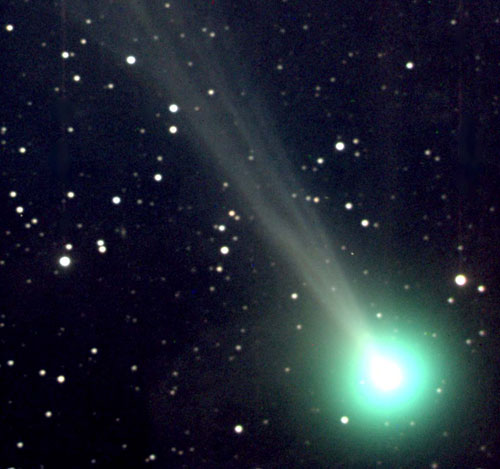
According to IMO's forecast - The International Meteorological Organization - the peak of the Perseids meteor shower this year is on the morning of August 13.
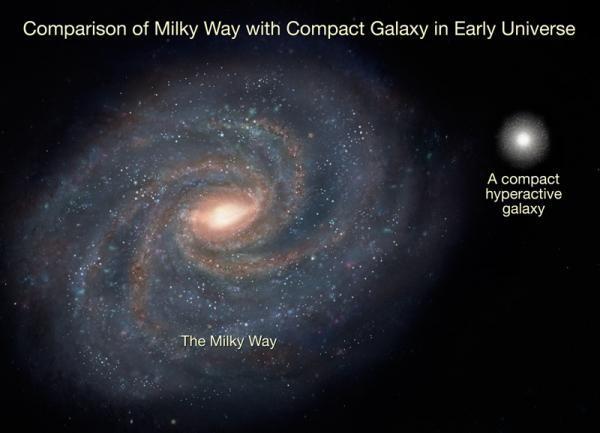
Looking back at 11 billion years ago, astronomers for the first time measured the motion of stars of a distant galaxy and obtained a velocity of up to one million miles…
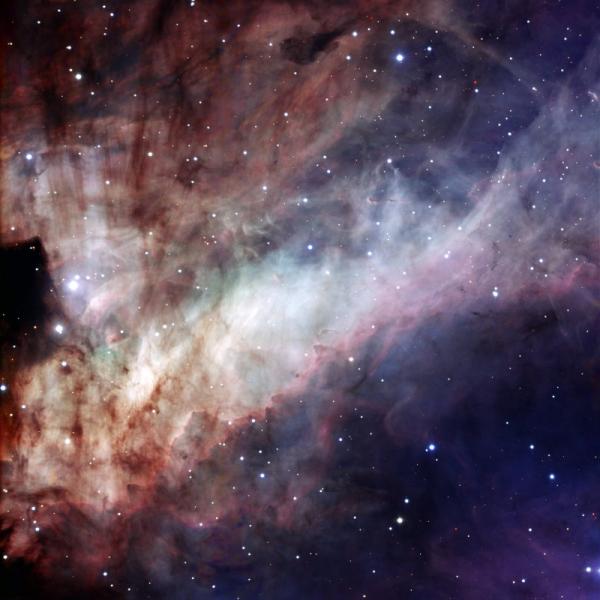
The Omega Nebula, sometimes called the Swan Nebula, is a brilliant star nursery that is 5,500 light-years away in the direction of the constellation Sagittarius. As a st…
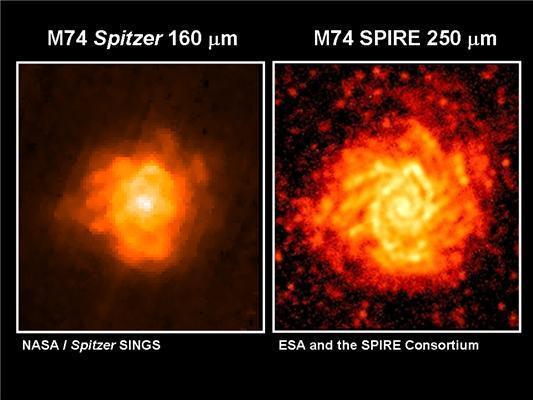
Herschel made the first observational experiment with all of its devices and produced very remarkable results.
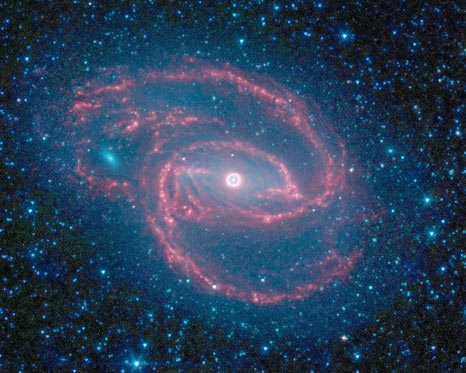
The Spitzer telescope has just discovered a spiral galaxy shaped like an eye about 50 million light years from the earth.
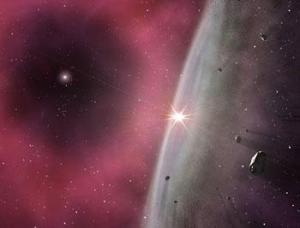
A group of international astrophysicists, including Dr. Maria Lugaro from Monash University, have found a new explanation for the origin of the solar system.
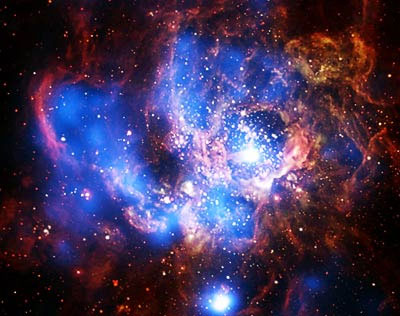
A huge area, larger than the Orion Nebula, created countless new stars, about 14 000 light-years away from the earth hidden behind a thick cloud of dust.
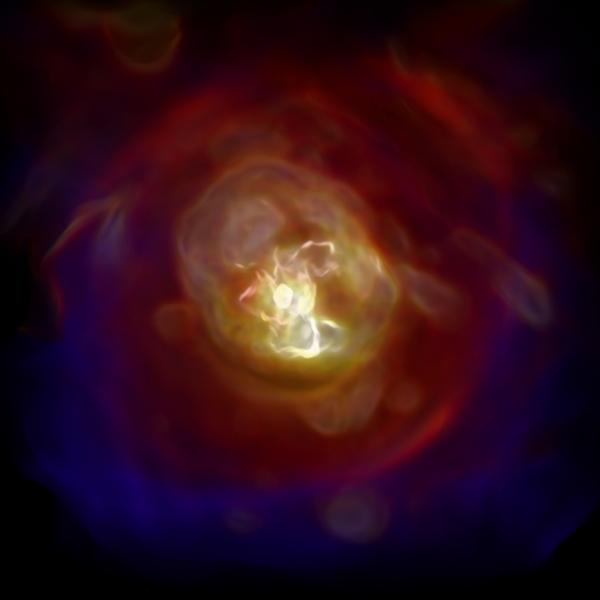
According to a new study, millions of galaxies that are about to form have been unable to continue to develop after being exposed to the terrible heat from the first sta…