
Space science
Discovered two planets that closely resemble the earth
In the process of searching for planet-like planets, European astronomers discovered two giant planets that have many similarities to the homes of humanity.
Browse ScienceInfo articles and explainers related to Star.
2,095 published items.
In the process of searching for planet-like planets, European astronomers discovered two giant planets that have many similarities to the homes of humanity.

Photos taken with Hubble telescopes and NASA's Cassini probe not only contributed to scientific research but also artistic value.
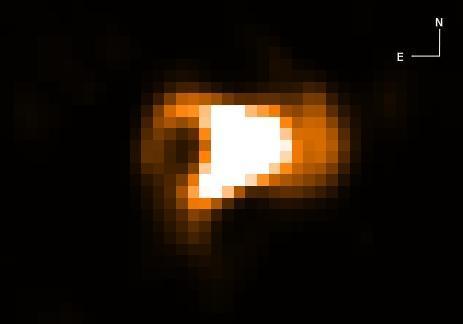
The Hubble Space Telescope (NASA / ESA) recently captured the first optical images of a shocking stellar explosion, and discovered a rapid peanut-shaped balloon bulging…
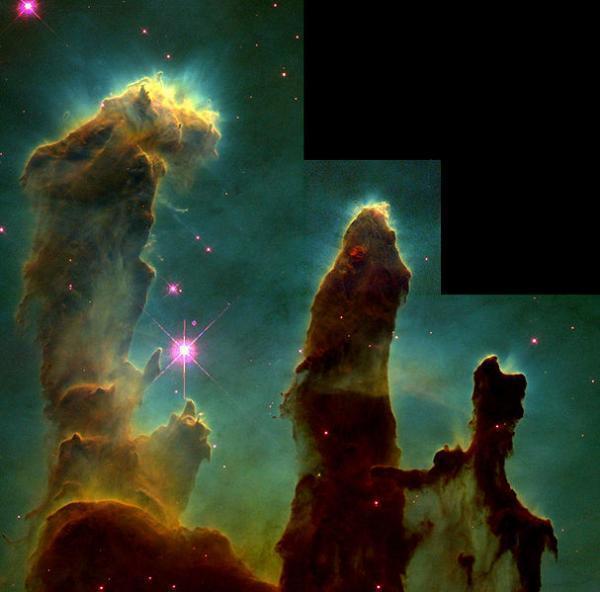
Research by astronomers at the Dublin Advanced Research Institute shows that shadows hold the key to how to form giant star-forming structures like 'Creative Columns'.

Scientists have discovered a cosmic bubble generated from the release of gas from a dying star, up to 60 light-years across and approximately 70,000 years old.
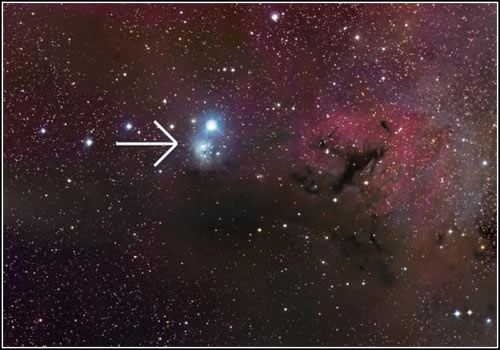
Astronomers have found 3 brown dwarfs with an estimated mass of less than one tenth of Jupiter's mass
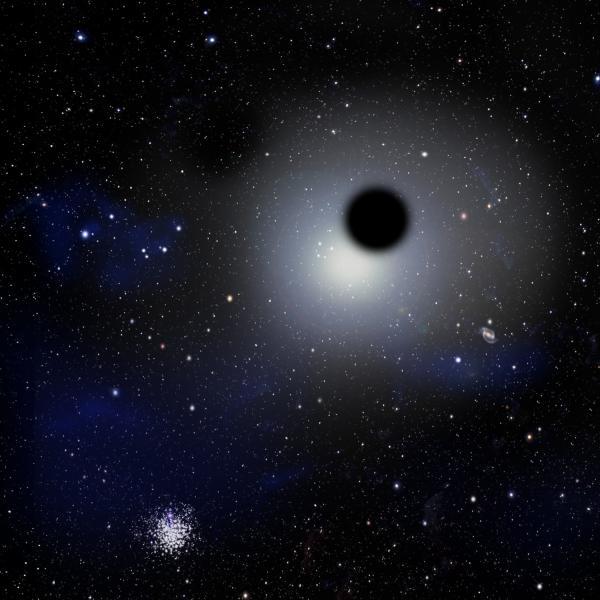
Black holes stir up our galaxy, threatening to swallow anything approaching them.
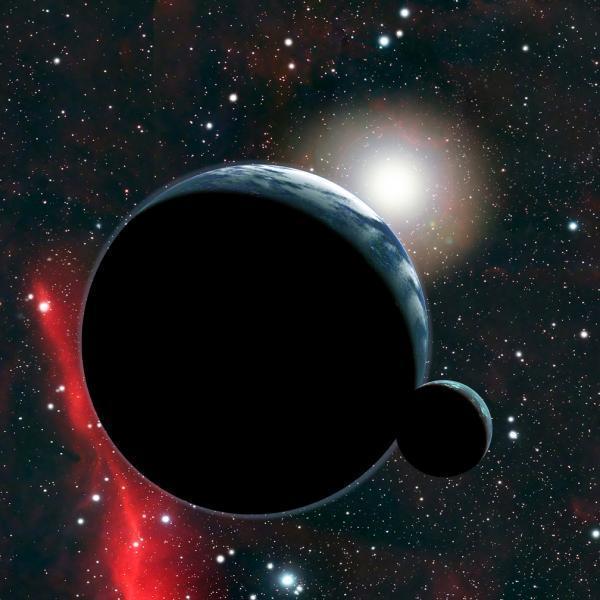
Does the Earth have twins that exist somewhere in our galaxy?
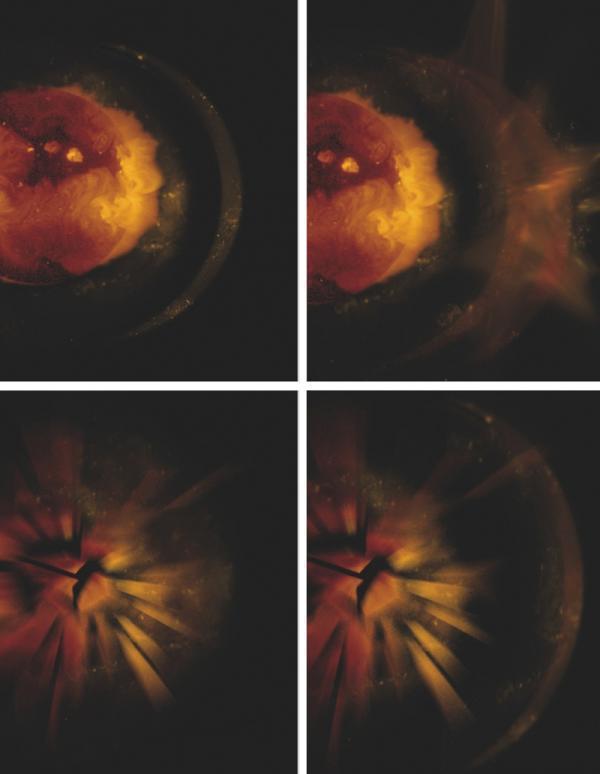
Scientists at the Weizmann Institute of Science and the University of San Diego have for the first time observed what happens when a star is 50 times larger than the sun…

A star that is millions of times brighter than the sun explodes even under the age of immaturity enters the self-destruct phase.
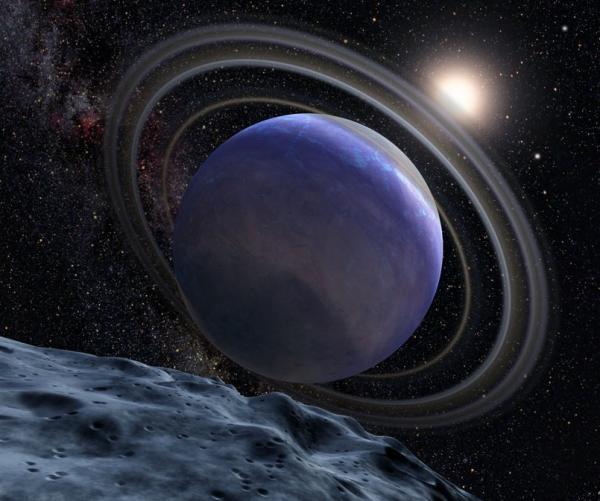
A new image processing technology could allow astronomers to discover extraterrestrial planets that might be lurking in the data of more than a decade of the Hubble Spac…
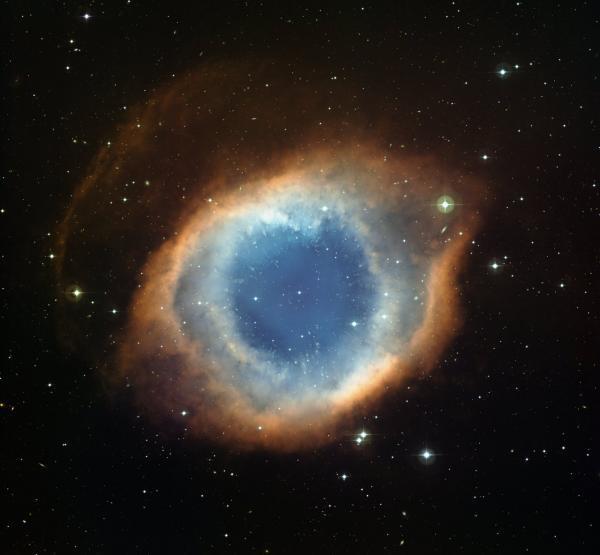
The large market camera of La Silla Observatory (ESO) has just captured a picture of Helix planetary nebula.

The telescope carries the mission of searching for life-capable planets that have just been launched into space at an American military base.
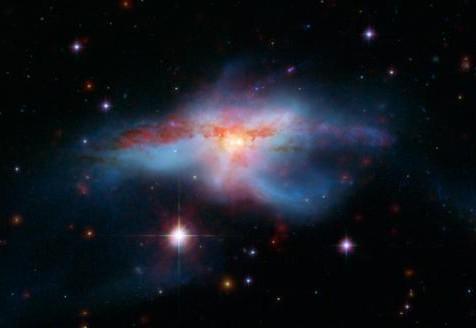
The new image by the Spitzer Space Telescope (NASA) shows that impending collisions occur between the central part of the two galaxies.
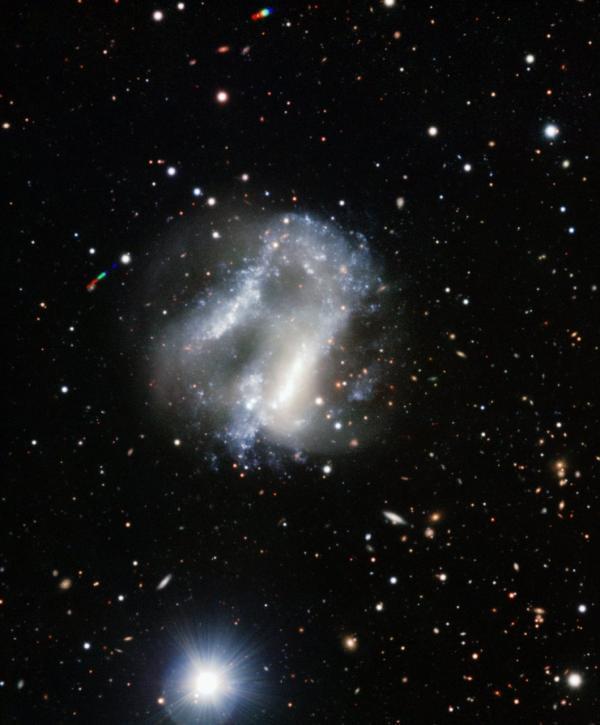
Extremely large telescope ESO has recently taken an unprecedented picture of the two mixed and chaotic galaxies.