Space science
New recipe for dwarf galaxies
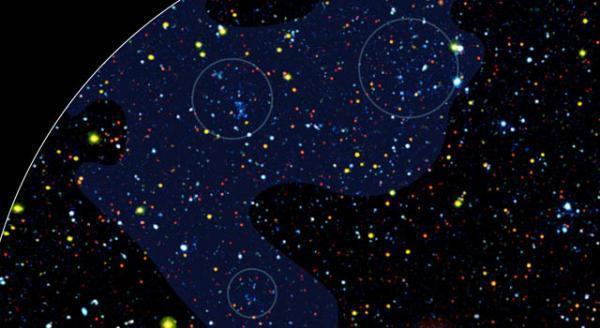
There is more than one path forming a dwarf galaxy, and NASA's Galaxy Evolution Explorer has found the new formula.
Browse ScienceInfo articles and explainers related to Star.
2,095 published items.
There is more than one path forming a dwarf galaxy, and NASA's Galaxy Evolution Explorer has found the new formula.

The Fermi telescope of the US Aerospace Agency (NASA) has discovered a massive explosion in the universe that could, according to scientists, be the largest gamma ray ex…
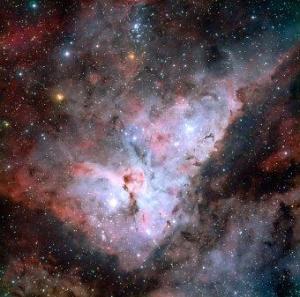
The latest ESO image reveals incredible detail in the complex structure of one of the largest and brightest nebula in the sky, the Carina Nebula (NGC 3372).
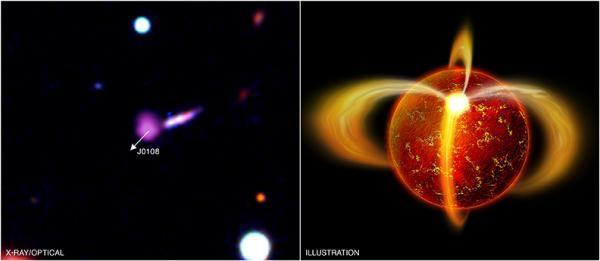
The oldest known lone asteroid has been discovered by NASA's Chandra X-ray observatory. This extremely ancient back object turned out to be surprisingly powerful.
According to a team of astronomers, the intergalactic space seems to be filled with fuzzy smoke, tiny dust particles that dim light from distant objects while transformi…
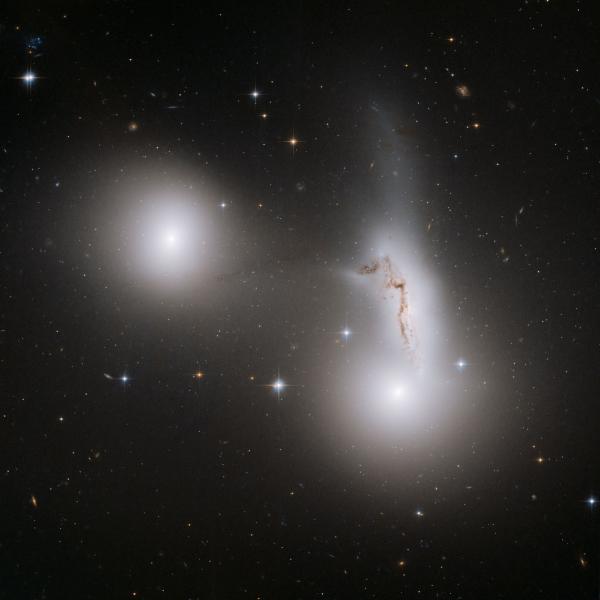
Located 100 million light-years away at the constellation Piscis Austrinus (Southern Fish), the three galaxies playing for and receiving can lead to a combination of the…
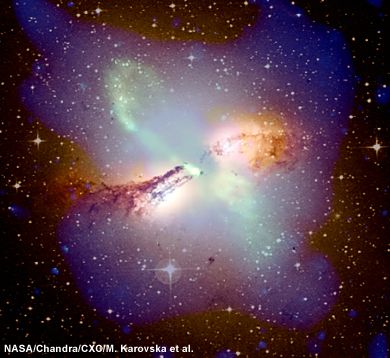
The cosmic black hole had to endure bad reputation. Newspapers accuse them of gravity monsters, astronomers have labeled them nicknames who like to hide themselves, and…
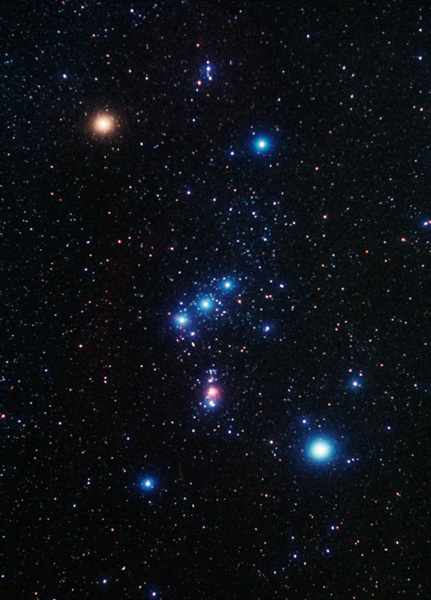
The brightest constellation that dominates the night sky this week appears in the south around 9 pm (local time).
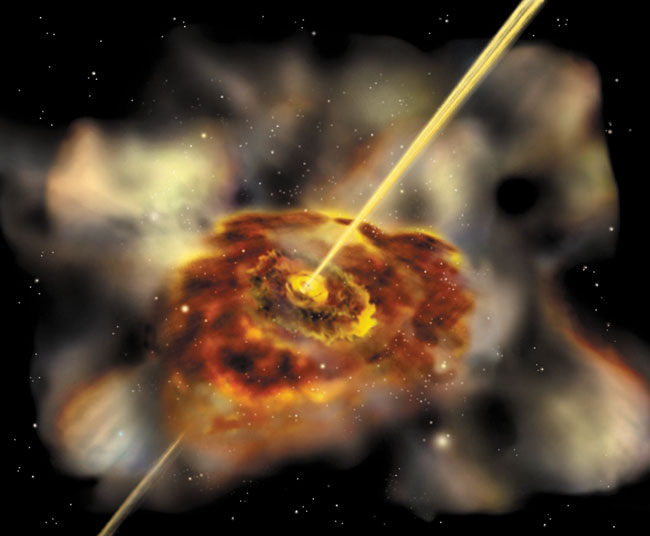
According to Martin Haehnelt of Cambridge University, simulations of the evolutionary process began to emerge in the mid-1990s when researchers found but the clue shows…
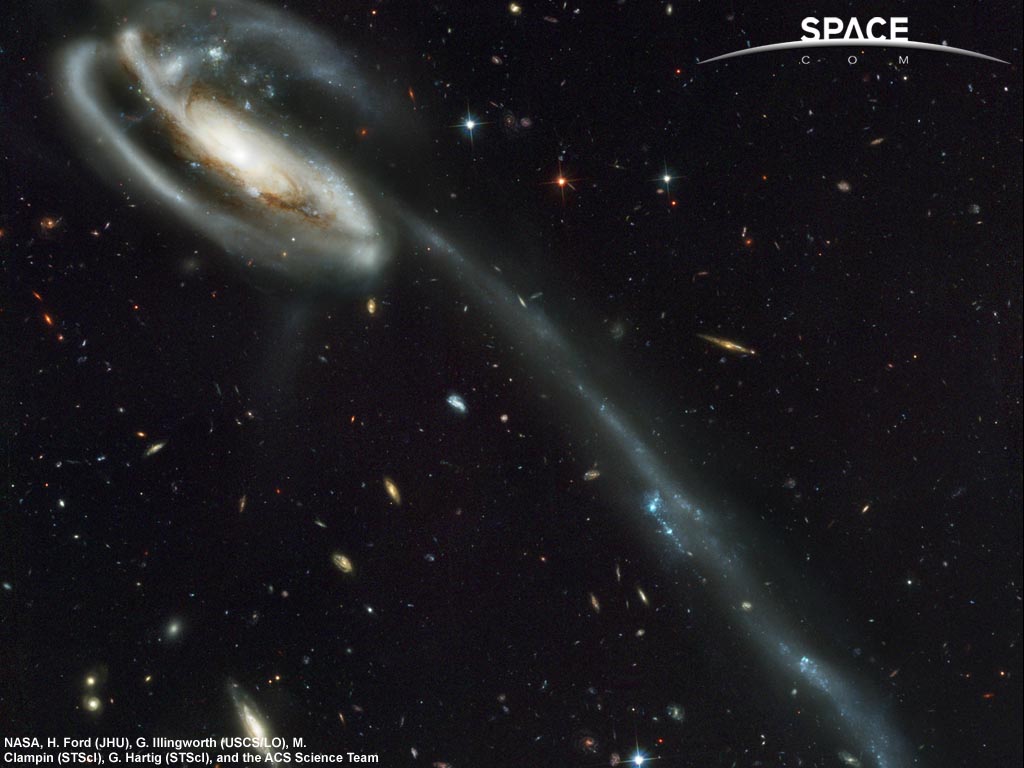
Scientists have envisioned galaxies forming along a monolithic collapse path, in which a giant gas cloud bursts from within.
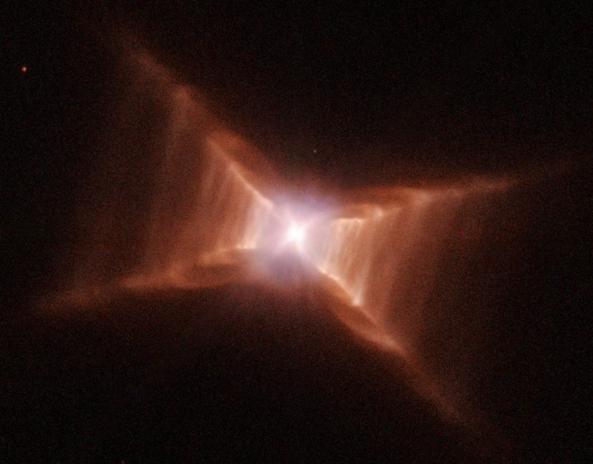
Cosmic dust annoyed astronomers because they prevented them from observing their distant stars.
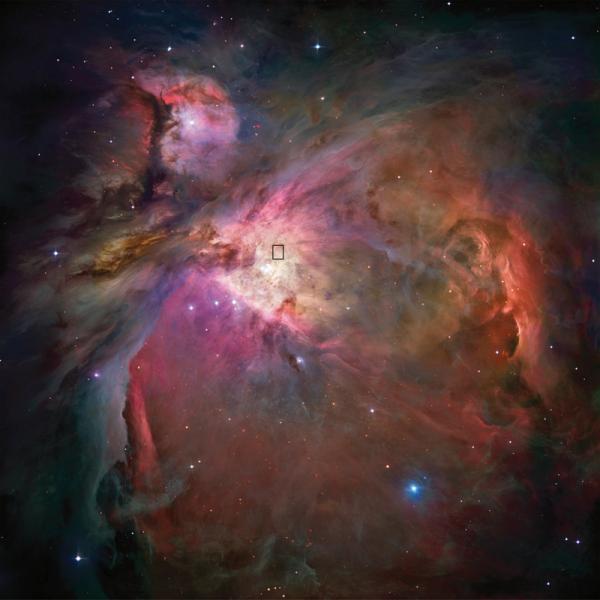
When galaxies form, their stars form everywhere at the same time or just concentrate in the tiny central region?
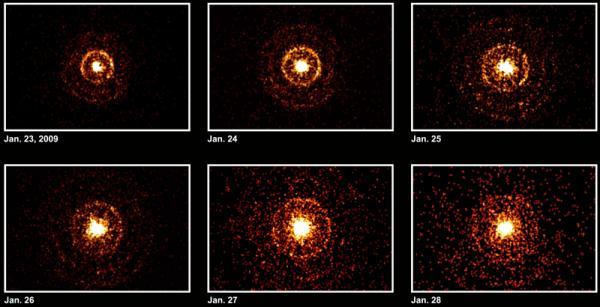
Astronomers use NASA's Swift satellite and Fermi Gamma Ray Space Telescope to observe explosions from the rest of a star 30,000 light-years away.
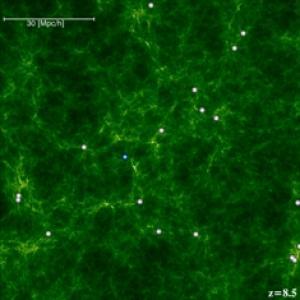
The images developed by scientists at Durham University's Cosmology Institute represent the
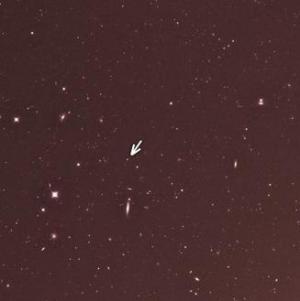
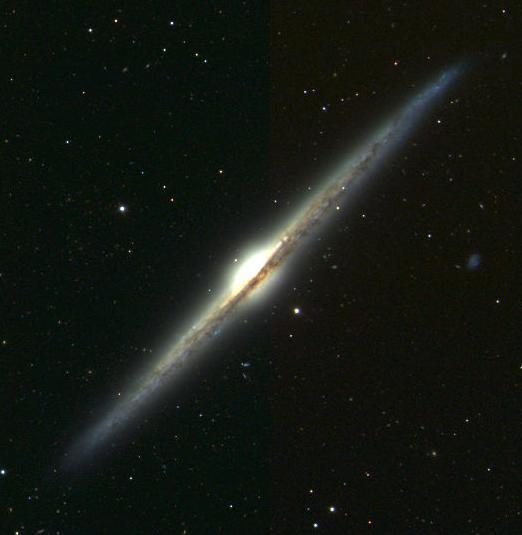
Our galaxy-like spiral galaxies are made up of several structural elements. The most prominent part of them is a flat disk in stars and gas that creates graceful long sp…