
Space science
The tragic fate of the first generation of stars
The first stars in the universe used to contain millions of microscopic black holes.
Browse ScienceInfo articles and explainers related to Star.
2,095 published items.
The first stars in the universe used to contain millions of microscopic black holes.
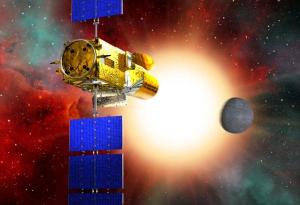
CoRoT satellite recently observed a star similar to the Sun at the age of about 500 million years, called CoRoTExo-2a.

NGC 2264 is located 2,600 light-years from Earth in the faint constellation Unicorn of Monoceros, not far from the familiar Hunter constellation of Orion.
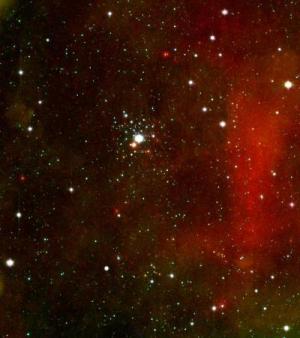
Jupiter gains weight quickly when young. It is required to do so because the material from which Jupiter formed disappears after only a few million years, according to a…
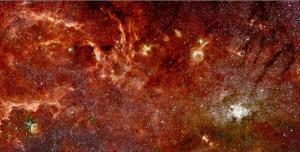
The multi-colored infrared image of our Milky Way galaxy center shows a new cluster of stars and complex structural details in the ionized gas swirling around the 300 li…

Huble telescope has just taken a picture of 14 stars rushing in space with tremendous speed like giant missiles.
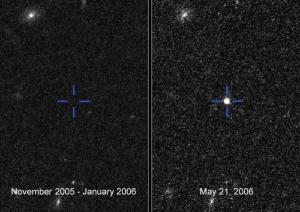
Astronomers are still unable to explain a mysterious bright area discovered by NASA's Hubble Space Telescope for the first time in 2006.
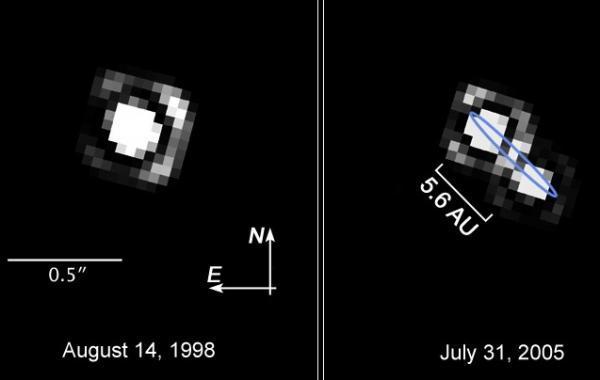
Brown stars, objects smaller than stars but larger than planets, are becoming more and more confusing, according to a study of 233 star systems of NASA's non-gina Hubble…

A research team developed the first complete map of the Milky Way galaxy's spiral arms.
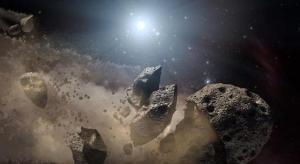
Astronomers used unexpected objects to study the development of planets - dead stars.

Observed from Earth, Cassiopeia A object, the remains of a star block exploded 330 million years ago, looking like a colorful ball.

Astronomers have discovered evidence that brown stars have the same process of formation as normal stars.
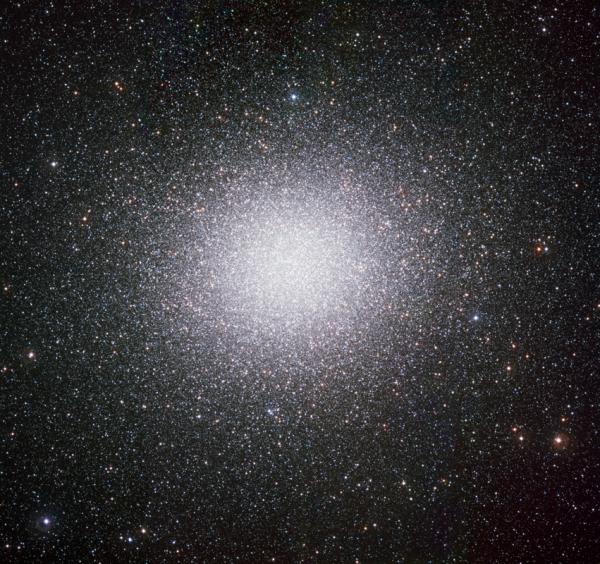
Omega Centauri is one of the most beautiful pearls in the southern hemisphere sky, perfectly illustrated in the latest ESO photo.
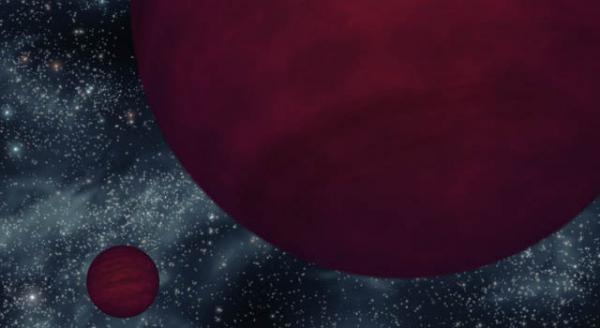
The object that holds the record for the darkest star-like object in the universe is a twin star

Like ballet dancers dancing around an invisible leader, dozens of stars in the Milky Way are revolving around a supermassive black hole.