Biology
Close up of the world's most multifaceted creature
The world's most legacy record creature even has more anomalies than the number of legs
Browse ScienceInfo articles and explainers related to Structure.
1,059 published items.
The world's most legacy record creature even has more anomalies than the number of legs
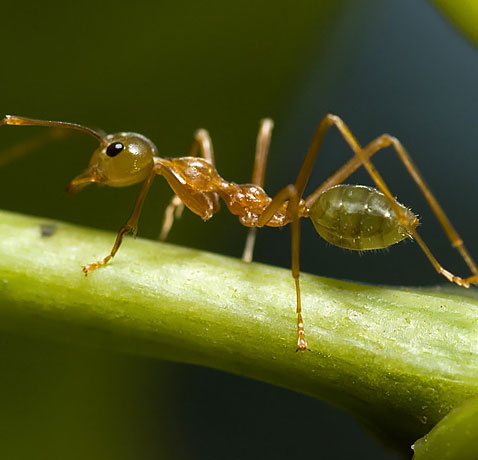
The ant nests, one of the oldest and most effective social structures, can together form an integrated memory of their opponents. Experts at the University of Melbourne…

10 years ago, humanity has established a map of human gene structure. However, so far, human genes still have many unexplored mysteries.
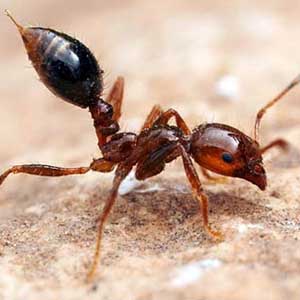
Over 100 million years of presence on Earth, ants are not nearly as evolutionary as their ancestors.

A bacterium never seen before was discovered in the wreck of the Titanic deep in the ocean.
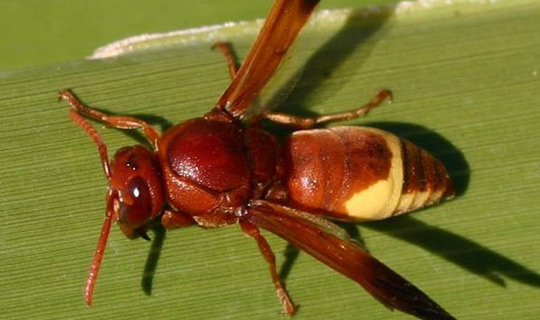
This Eastern bee species belongs to the bumblebee family, which has a special structure on the abdominal cavity that helps capture sunlight, and a special pigment that c…
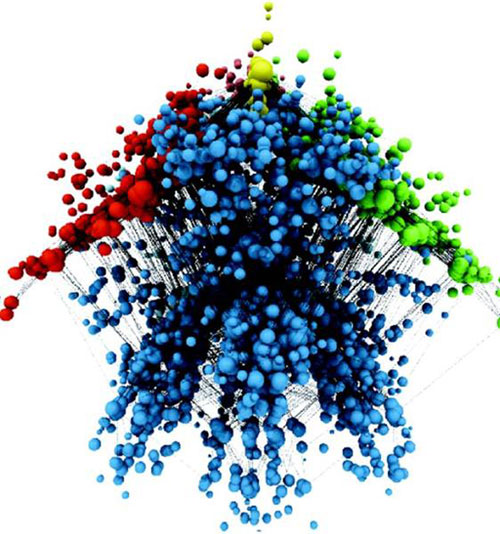
Water (H2O) is a liquid that has nothing to discuss. But when studying at the molecular scale ...
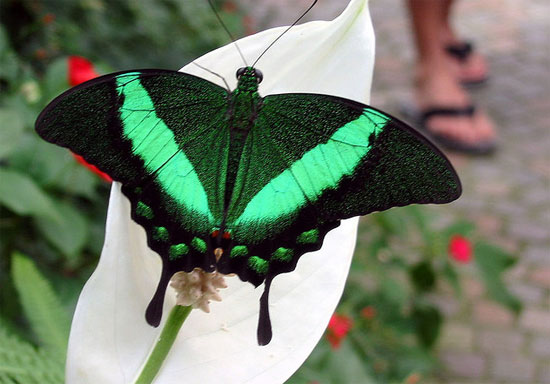
Strange optical effects on butterfly wings can help people encrypt information on banknotes or other precious objects to prevent counterfeiting.

Researchers in Switzerland said yesterday they have just discovered a micro fungus capable of making rice grow five times faster.

British and American scientists have solved an important problem about the virus that causes AIDS, paving the way for more effective treatments for this century's diseas…

Some types of viruses can bind together, forming complex structures similar to bacterial organisms.

For the first time, scientists from the University of North Carolina, USA, have completed finding about one-fifth of the HIV gene structure.
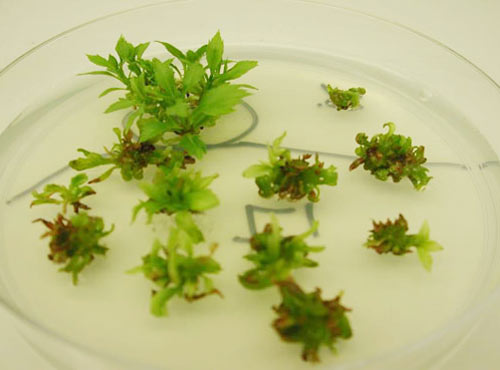
Biotechnology (including genetically modified technology) is considered one of the key technology industries to develop the country, but in our country is still new.

For the first time in the history of science, American biochemists have learned how to utilize intestinal bacteria to produce energy.

The study of two professors Semir Zeki and John Romaya examined the areas of brain related to hate emotions.