New technology
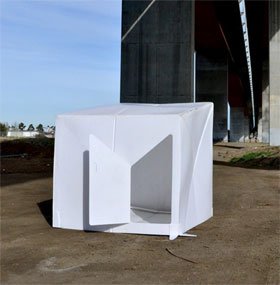
Boxed intelligent shelter
According to the Mother Nature Network, shelters have a tent structure, made of lightweight polypropylene but durable and easily removable.
Browse ScienceInfo articles and explainers related to Structure.
1,059 published items.
According to the Mother Nature Network, shelters have a tent structure, made of lightweight polypropylene but durable and easily removable.
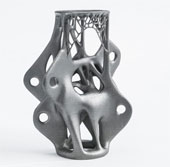
The UK-based design firm Arup recently announced that it has developed a new 3D printing technology that is capable of creating structural steel structures that can be u…

Researchers at Harvard University have developed a 3D printing technique to create a light but very rigid cell mix using epoxy resins.
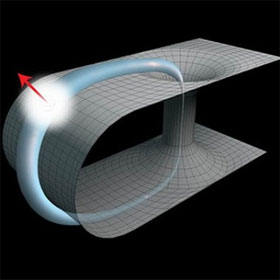
A team of researchers at the University of Queensland led by Dr. Martin Ringbauer successfully simulated time travel using the fundamental particles of light.
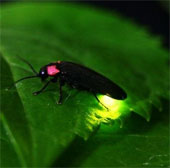
By simulating the light-emitting structure of fireflies, researchers have created LEDs that are 55% brighter.
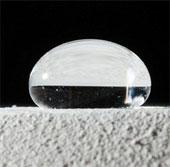
US experts have recently published research results in the development of a perfect super-waterproof material.
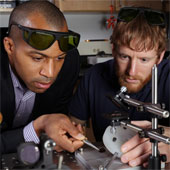
By applying an electrolytic polymerization process to produce bonding arrays of polymer nanofibers, the researchers developed an insulating material that could conduct h…

This biometric system uses a two-dimensional camera to scan the passenger's bone structure to analyze his movements, then record it in a
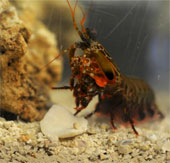
Recently, a team of University of California researchers has successfully developed a structured material inspired by the head of shrimp.
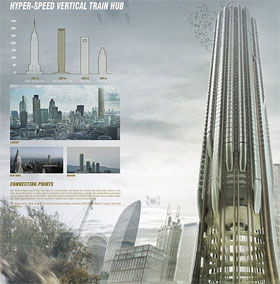
Metro stations in major cities such as London and New York are traditionally large structures, like the cathedrals.

As diamonds are known, diamonds are made up of carbon atoms under very high temperatures and pressures in nature.
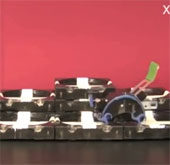
Engineers at Harvard University's lab are developing teams of robots inspired by termites that can build their own buildings without human control.
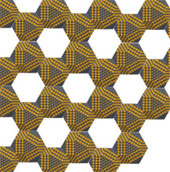
European physicists have successfully fabricated a new material, called artificial graphene, which promises to revolutionize the technology.
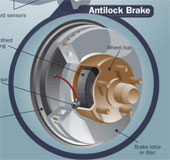
Driving while encountering a dangerous situation in front of us, our natural reaction is to kick the brake pedal hard, squeeze the wheel down onto the road.
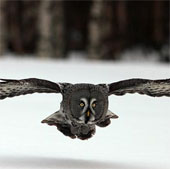
Scientists say the secret of flying almost silent in a bird's night can be used to develop less noise-producing aircraft.