
Discover science
Summer is the most dangerous season for drivers
Summer is the most dangerous time for traffic, the US statistics show.
Browse ScienceInfo articles and explainers related to Summer.
480 published items.
Summer is the most dangerous time for traffic, the US statistics show.
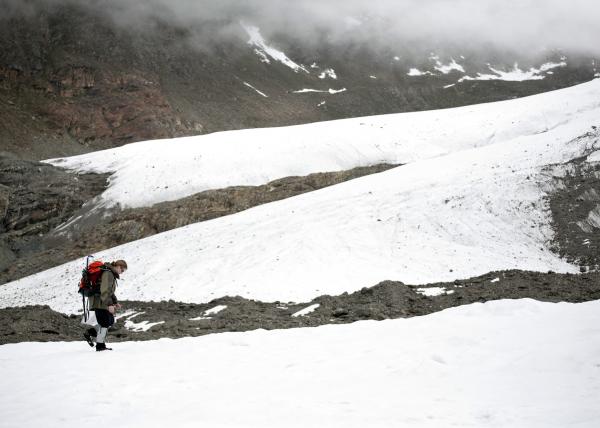
Normally when the temperature rises, the ice will melt away.

Many people hate gloomy days in the winter because they cause seasonal depression syndrome.
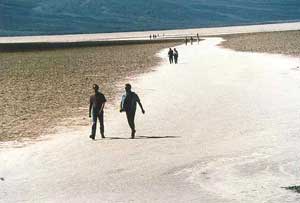
Human heat resistance is much better than we thought. In central Australia, summer temperatures in shady areas are usually 46 degrees Celsius, peaks up to 56 degrees. An…
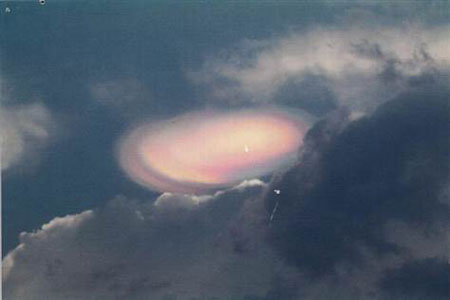
The number of unidentified flying objects (UFOs) seen in this summer increased dramatically, in some countries twice as much as normal.

Unesco's Scientific, Educational and Cultural Organization recognized Austria's Schonbrunn Palace and Garden as a World Cultural Heritage in 1996.

Unesco Scientific, Educational and Cultural Organization has recognized the Saint Petersburg City Historical Center as a World Cultural Heritage in 1990.
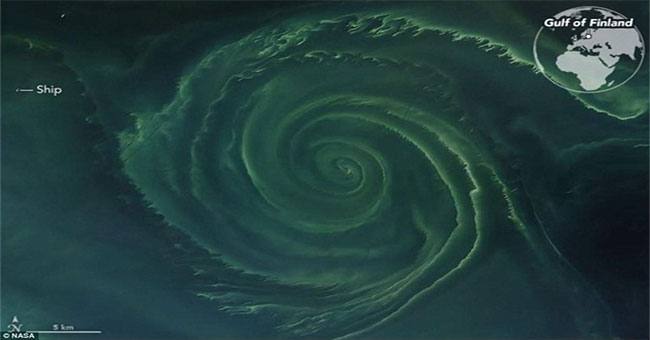
Summer is said to be a flourishing season, growing vigorously of a variety of planktonic algae in the North Atlantic, Arctic Ocean.

Summer is a time when it is impossible to go to sea. But amidst the many beautiful beaches on this planet, avoid Florida State of America - at least for now.

Summer is a time when everyone wants to go to the blue ocean, a series of resting days under the original coconut without worrying about anything.
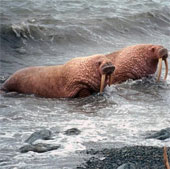
According to NOAA experts, it is the rapid melting of snow in the Arctic that causes 35,000 walrus individuals to migrate.
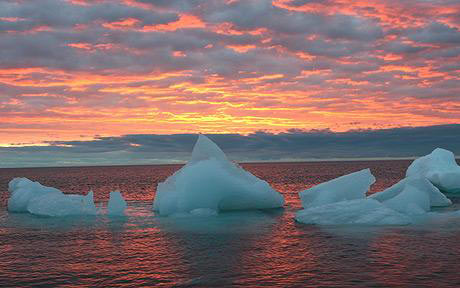
The Arctic ice has melted with unprecedented speed this past summer. US scientists warn that global warming may cause the Arctic ice to disappear by September 2030.
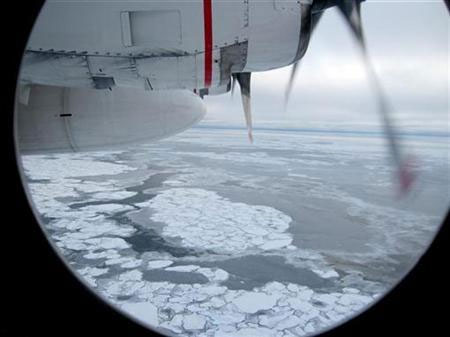
That is the judgment of a British scientist on October 15. He also warned of global warming caused by global warming that would raise sea levels and harm wild species li…
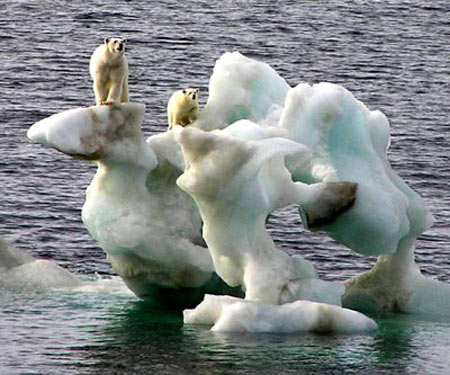
According to scientific calculations, the Arctic will become colder due to changes in earth orbit making it increasingly receive less sunlight.

How long will we see a Arctic without ice in the summer? Studies based on NASA's ICESat satellite will reveal that.