Photo library
The most beautiful astronomical images of 2010
These are the best photos in the astronomical photo composition competition in 2010 at the Greenwich Royal Observatory. Astronomers can participate in this competition.
Browse ScienceInfo articles and explainers related to Sun.
1,901 published items.
These are the best photos in the astronomical photo composition competition in 2010 at the Greenwich Royal Observatory. Astronomers can participate in this competition.

Light, atmosphere, water and things ... created spectacular scenes in the sky, the more scenes that glorified the wonderful life on Earth.

Sun erupts, sandstorms in China, brilliant spiral galaxies are impressive images of the universe in March.

Mars is actually not a star, but the fourth planet near the sun. Mars is like Earth in many ways: four seasons, ice poles ...

Please introduce to us the unique images taken from space last week.

The sun hung over the heads of two Chinese men, the giant orange ring in the sky of Myanmar were unforgettable images of the longest solar eclipse of the millennium that…
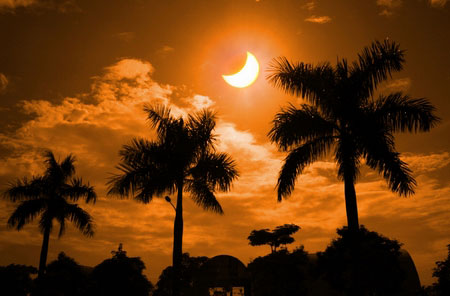
This morning (July 22), people in many Asian countries rushed to see the longest total solar eclipse of the 21st century

The magnificent and untouched beauty of the 7 tundra (the bare areas with earthen floor that has been permanently frozen near the polar region) can fascinate the most de…

Seals are not ear-lit by sun, elephants discover grass, mottled and spotted moths, thoughtful sitting spirits are funny images of young animals in the animal world.
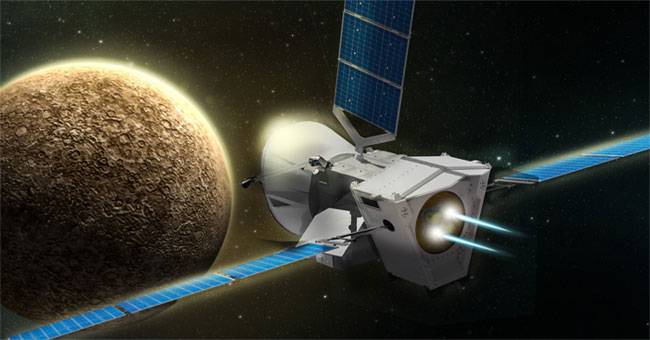
The European and Japanese Space Agency's BepiColombo ships depart from the French island of Guiana, starting the journey to exceed 9 billion km to Mercury.
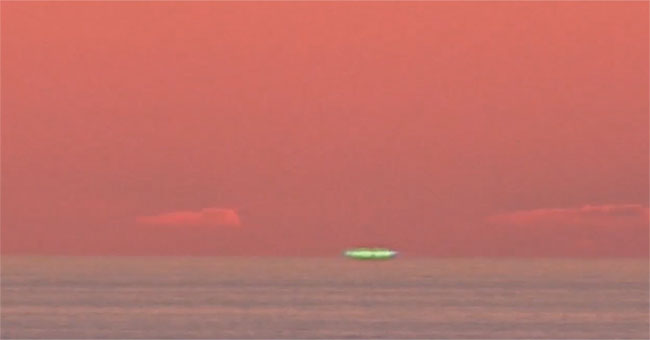
Mikel.gasca account shared on Newsflare video recording the dramatic sunset in Donostia, northern Spain on June 14, according to MSN.

The 2015 BZ509 asteroid orbits the Sun and has an orbital reverse with most other objects in the system.
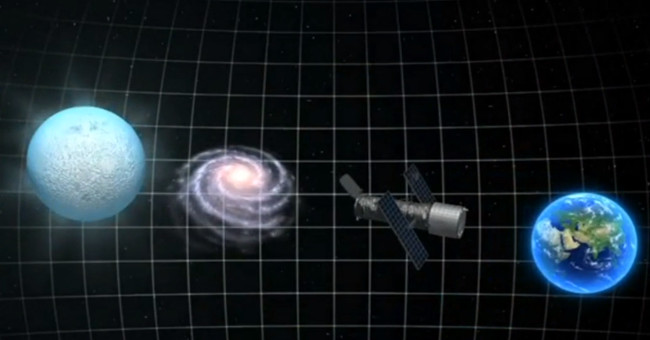
Icarus stars are about nine billion light-years across Earth, discovered by the Hubble telescope with a gravitational lens effect.
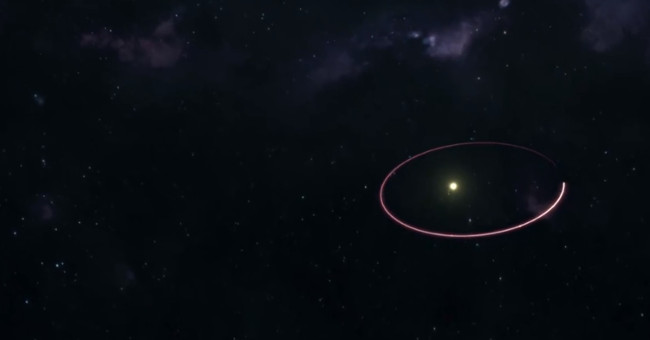
Sedna's elliptical orbit about 150 to 150 billion kilometers from the Sun is still a mystery to astronomers.