
Photo library
8 amazing natural phenomena
Nature has many miracles that people always want to discover. Here are 8 amazing natural phenomena...
Browse ScienceInfo articles and explainers related to Sun.
1,901 published items.
Nature has many miracles that people always want to discover. Here are 8 amazing natural phenomena...

Although purple light is the light with the shortest wavelength, blue light is the light that people see most when looking away from the mountains.
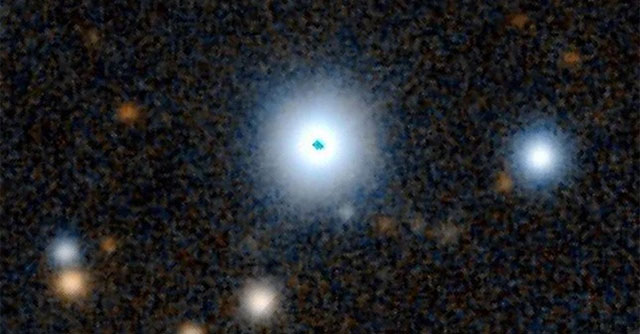
On the night of August 15, 1977, the Wow signal emitted a flash in the radio telescope.
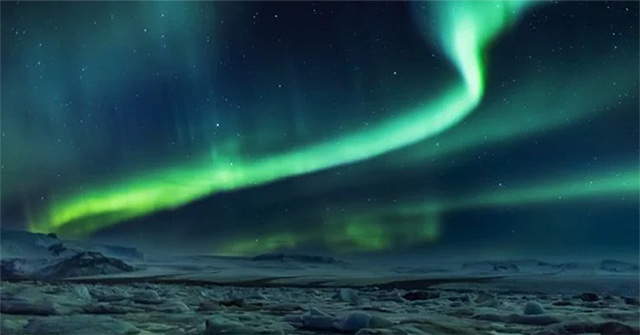
Massive CMEs (coronary mass ejections) from the Sun not only set Earth's sky ablaze in colorful auroras, but also emitted wild sounds.

In the western state of Gujarat, where temperatures have hovered above 40 degrees Celsius for weeks now and can reach 46 degrees Celsius, rescuers here encounter birds f…
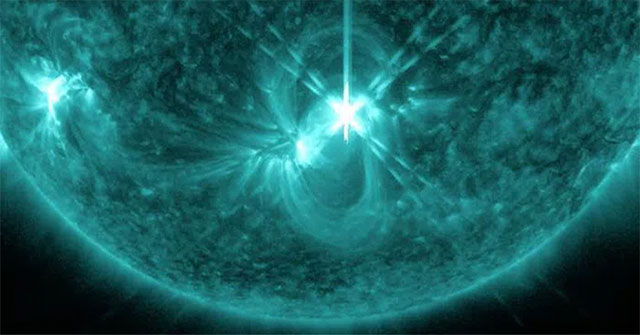
Following the X-type cosmic flare could be a space bomb - a orbiting mass ejection (CME) - that ignited the Earth. The culprit continues to be our ferocious mother star.
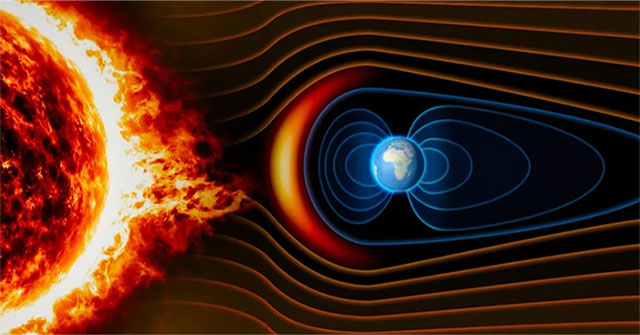
The researchers think that the solar wind produces water vapor on the asteroids. When they collide with the Earth, they provide a large amount of water.
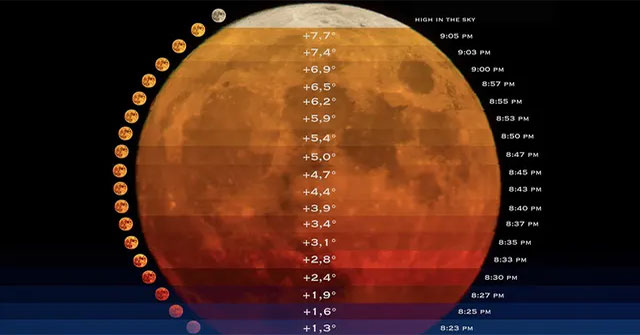
It turns out that the moon is not only gray or dark gray as we often see, instead its color is extremely diverse.
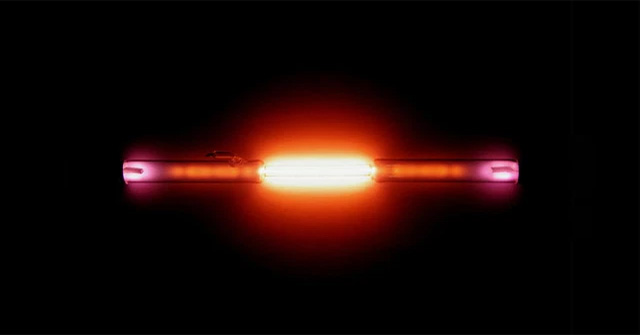
If you are a chemistry person, you are probably familiar with the periodic table, but the truth behind what those elements are is probably not everyone knows.
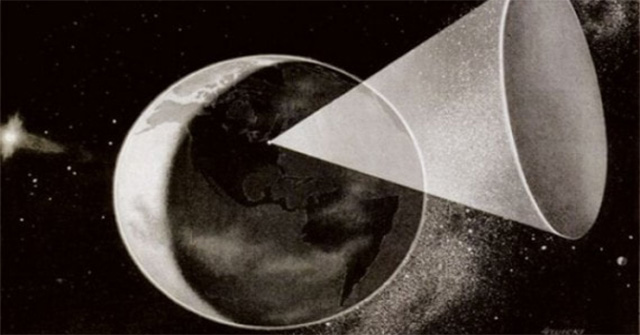
During World War II, Nazi Germany demonstrated its determination to create weapons superiority. They built fighter planes, bombers, ballistic missiles (V-2) and cruise m…
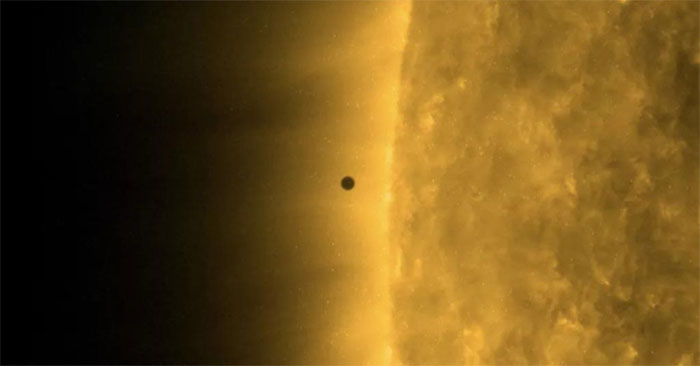
In parallel with the plasma punch that ignited Earth's northern sky recently, the Sun also blasted its nearest planet - Mercury - with a plasma tsunami.
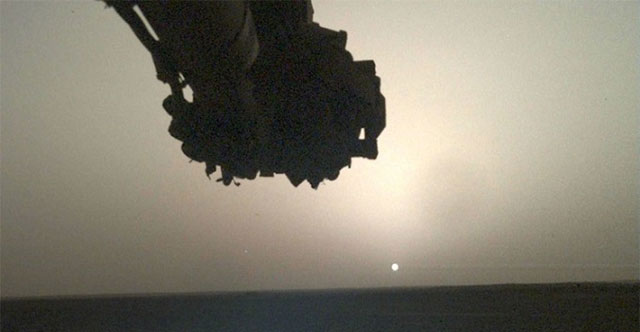
NASA shared an image of the Sun rising over the horizon taken from the camera of the InSight lander.
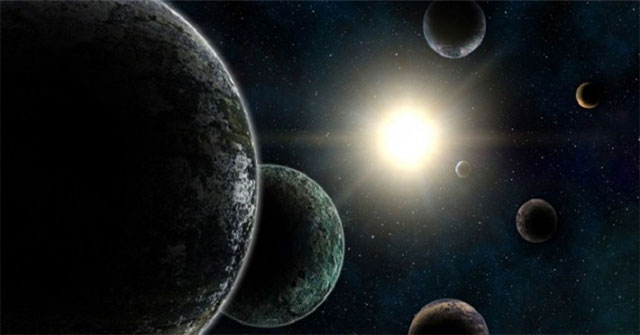
With 10 to 15 times stronger than NASA's Kepler telescope, the new Chinese satellite will find exoplanets in the habitable zone of a Sun-like star.
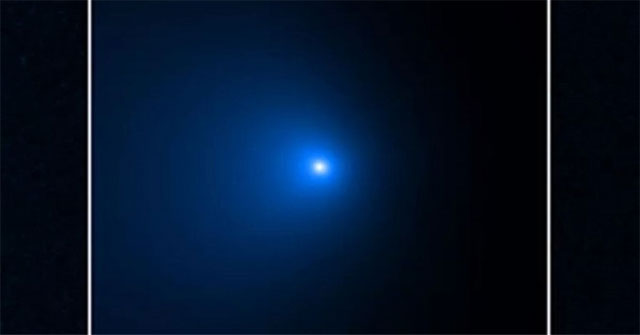
The Hubble Space Telescope photographed the largest comet ever recorded, helping astronomers calculate its enormous size.
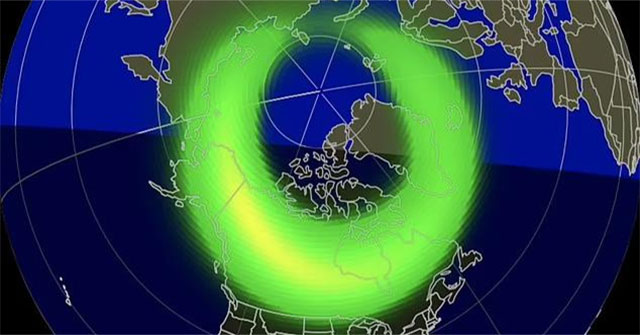
At speeds of up to millions of miles per hour, the fireball originating from the sun's dead sunspot is forecast to collide with Earth's atmosphere on April 14.