Space science
Scientists find out when the Sun exploded, swallowing Mercury and Venus
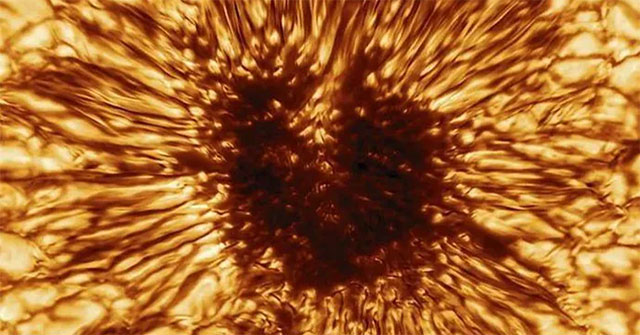
The sun is not so old as the other stars out there. However, scientists are trying to determine exactly when the Sun will explode.
Browse ScienceInfo articles and explainers related to Sun.
1,901 published items.
The sun is not so old as the other stars out there. However, scientists are trying to determine exactly when the Sun will explode.
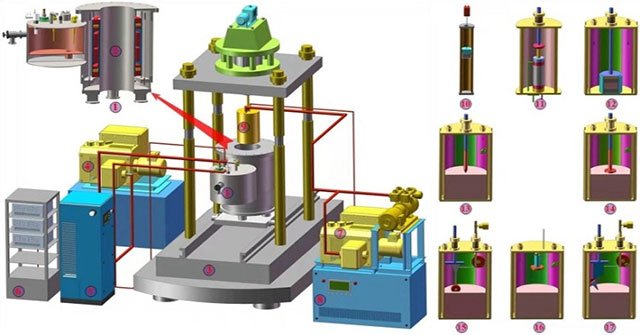
China built a research facility that simulates a low-gravity environment on the Moon, inspired by an experiment using magnets to make frogs fly.
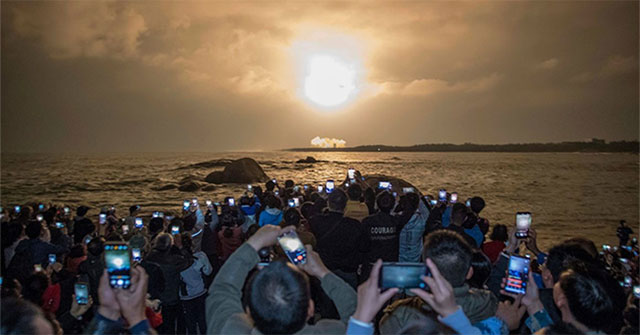
A video allegedly capturing the scene of China sending an 'artificial sun' into the sky has been viewed millions of times and shared tens of thousands of times online.
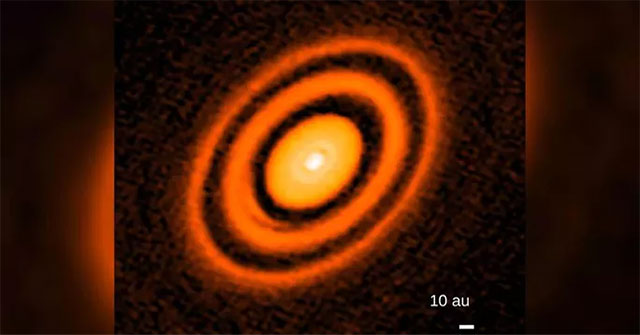
Dense rings of dust around a Sun that look nothing like the Sun today have prevented our planet from evolving into a super-Earth.
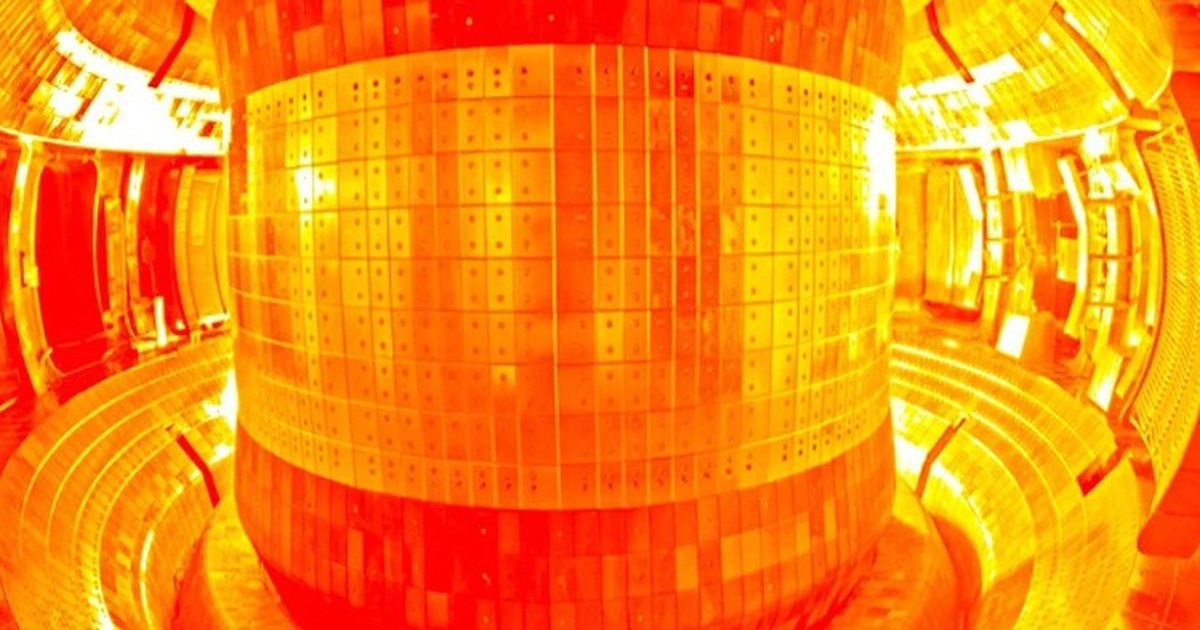
The model of a fusion reactor being tested could help harness virtually limitless clean energy, five times hotter than the sun.

Also known as the sun spider or wind scorpion, the camel spider is a desert spider known for its enormous size and painful bite.
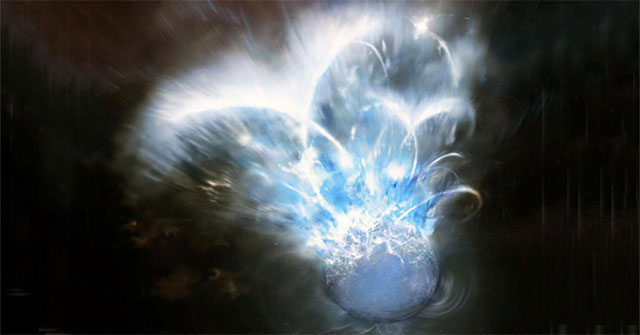
Scientists discovered a star from a violent eruption of energy in the galaxy NGC 253 13 million light-years away.
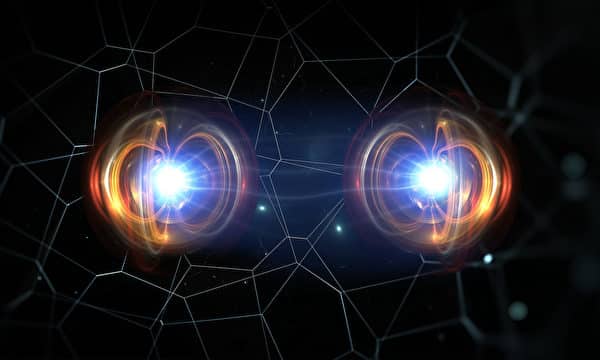
The year 2021 is about to pass in a festive atmosphere and in the shadow of the Omicron variant. Looking back at the development in the field of science and technology i…
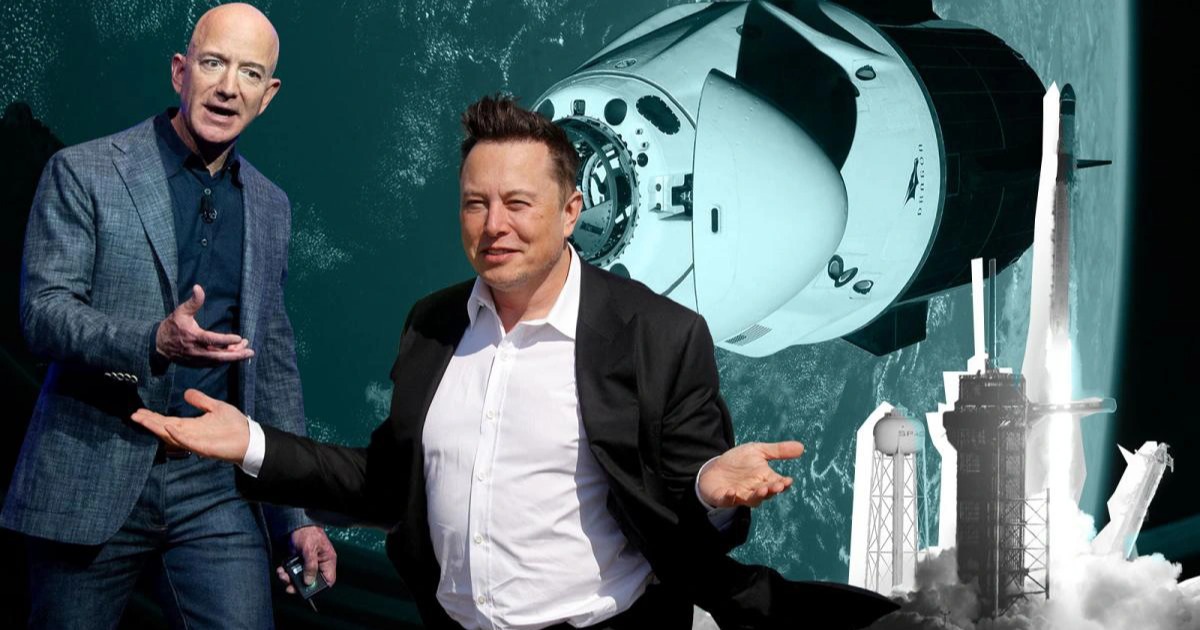
In 2021, scientists have made many important discoveries and made new strides in the fields of biology, spaceflight and artificial food.

Before there were wristwatches or desk clocks, the ancients used the natural method of tracking celestial objects and homemade sundials to tell the time.
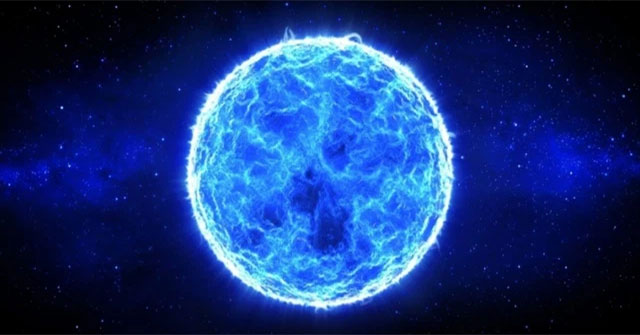
Everything on sunny ground will burn up, houses, roads, forests, rivers, oceans will instantly evaporate, and the atmosphere will be swept away.
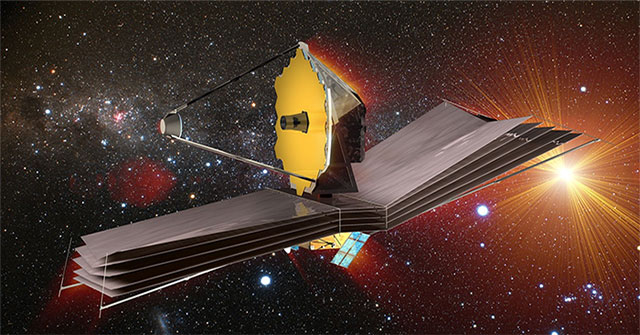
NASA's James Webb Space Telescope will outperform its famous predecessor, the Hubble telescope, in many ways, including position in space.
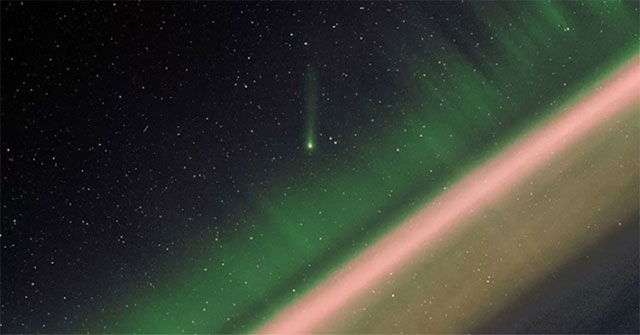
China's Yangwang 1 satellite captured the moment comet Leonard's closest approach to Earth on December 12.
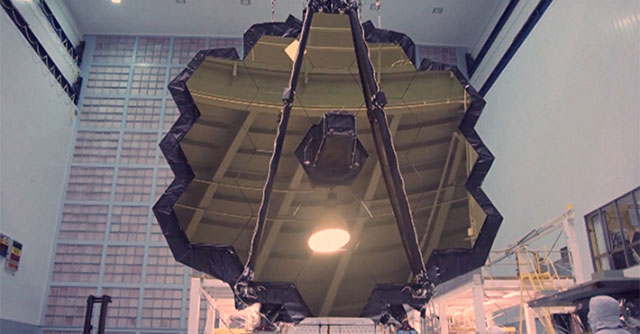
After decades of waiting, the most powerful space telescope ever built will launch into orbit on December 25, just in time for Christmas.
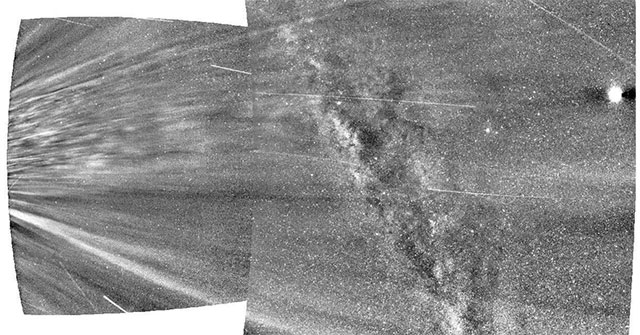
During the August approach, the Parker spacecraft plunged through the Sun's atmosphere, capturing fleeting images of planets such as Mars and Earth.