Medicine - Health
LEDs can slow the rate of skin aging
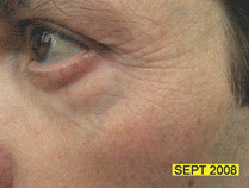
Sunlight causes many types of damage to the skin, but the red light of the luminescent diode can help us eliminate them.
Browse ScienceInfo articles and explainers related to Sunlight.
248 published items.
Sunlight causes many types of damage to the skin, but the red light of the luminescent diode can help us eliminate them.

Even when there is no sunlight, the effects of ultraviolet rays (also known as UV rays) from the sun can cause deadly consequences, US researchers said.

In winter there are a number of days: a solstice (one of two times a year when the sun is farthest from the north or south) will engulf us into the longest and darkest n…

Research by British scientists recommends pregnant women should not heat the sun during pregnancy, especially the first 3 months when the fetus is growing fastest.

Sunlight can be a savior for asthma sufferers. According to scientists from the Australian Institute of Child Health Research, sunlight can help reduce symptoms of the d…

In many countries, prolonged cold winters often cause depression for many people due to the lack of natural sunlight.

Life on earth cannot exist without the sun. Ultraviolet radiation in the sun has a good effect on human health, such as promoting the biosynthesis of vitamin D.

According to research by US scientists, men have low levels of vitamin D in their bodies, which are at high risk of cancer and death because of this disease, especially…

Sunlight causes melasma, monsoon dry skin, hot temperature makes burns and melasma and polluted water, causing inflammation and acne ... In addition, skin is also destro…

When cells make skin pigmentation reach and exceed the threshold of mutation due to sunlight, they can develop into tumors.

American scientists discover that rich people go to beaches and golf courses to expose their bodies to the sun, increasing the risk of skin cancer.

The harshest sunshine is from 10am to 4pm. Therefore, you need to minimize direct sun exposure during this time.

The latest American Journal of Dermatology, published on August 16, published a study by US scientists saying vitamin D increases the risk of non-melanoma skin cancer.

Australian scientists are about to embark on the largest study of skin cancer ever.

'Every year, Vietnam has hundreds of cases of skin cancer and is mainly exposed to the sun,' said Pham Thuy Lien, Chairman of the Vietnam Cancer Society.