Space science
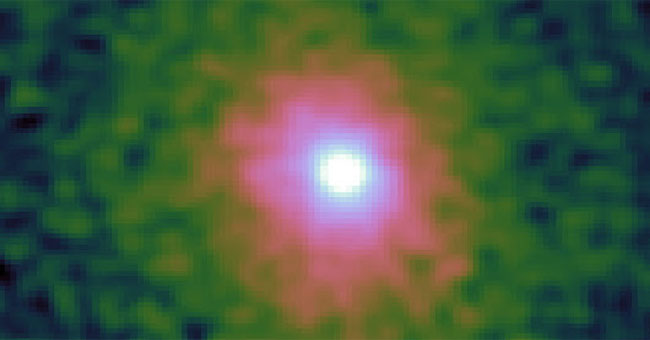
Explore an amazing cluster of galaxies lurking in the Milky Way Galaxy
The finding could help reveal how super-large black holes can exist, how it affects the evolution of galaxy clusters, the researchers said.
Browse ScienceInfo articles and explainers related to Super.
1,981 published items.
The finding could help reveal how super-large black holes can exist, how it affects the evolution of galaxy clusters, the researchers said.
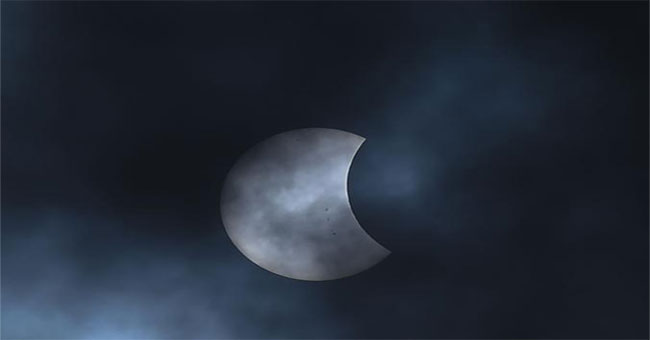
According to National Geographic, on Friday the 13th, a partial solar eclipse will appear in the sky and can be observed from the southeast coast of Australia, Tasmania…
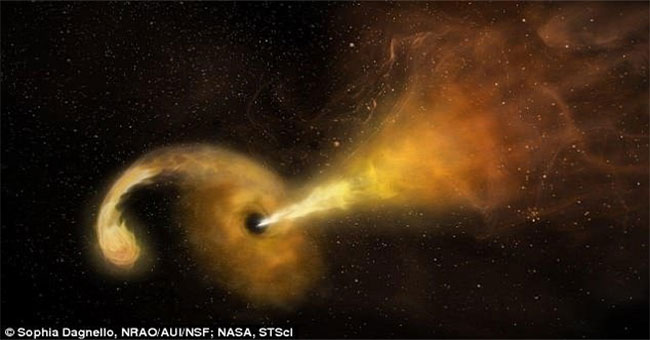
The cosmic black hole - for those who don't know - is a spaceless space with enormous mass, but compressed into a very narrow space.
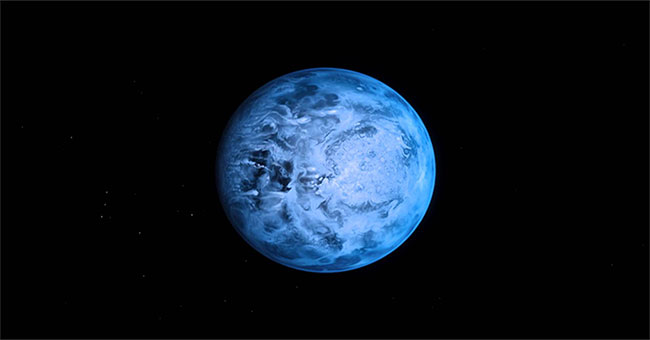
Glass rain, super typhoon or dizzying temperature change are three of the special phenomena that occur on outer planets.

The warp engine - Warp drive is an imaginary spacecraft propulsion that allows us to travel faster than light (FTL - faster-than-light), most notably in the Star Trek se…

The collapse of supergiant stars or collisions between two white dwarfs can lead to the formation of supernovae.
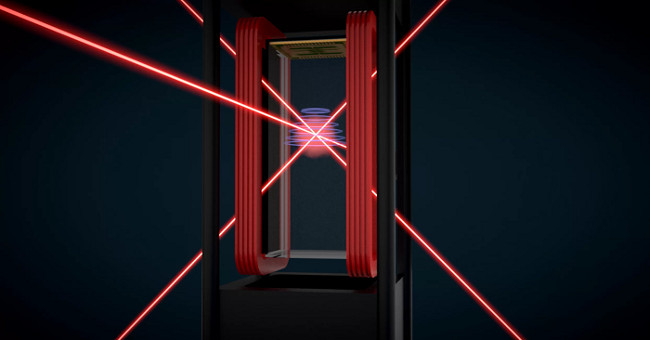
CAL is a physical research facility the size of a cold stone container designed by NASA's Jet Propulsion Laboratory (JPL) in California, USA.
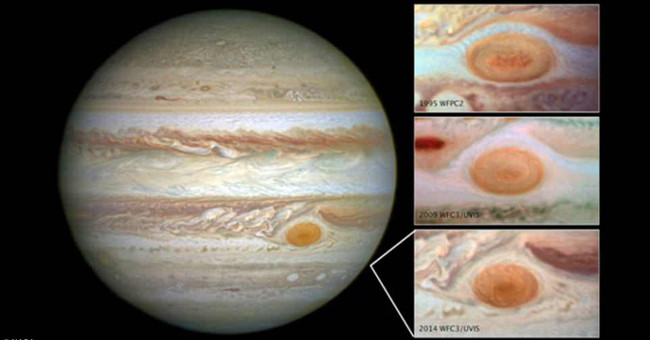
Images of Jupiter - the solar system's largest planet - always show beautiful lines and a prominent red spot.
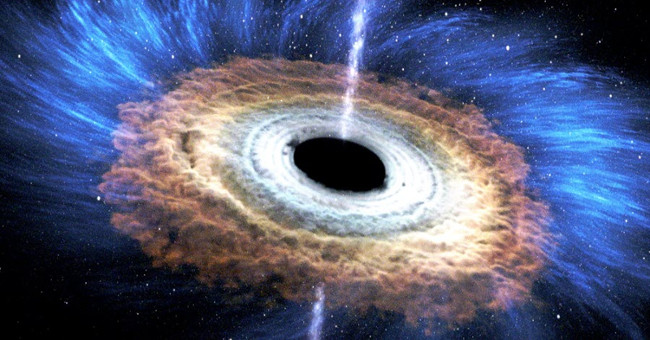
The voracious monster black hole was discovered when the team observed the cosmic area 12 billion light-years away.
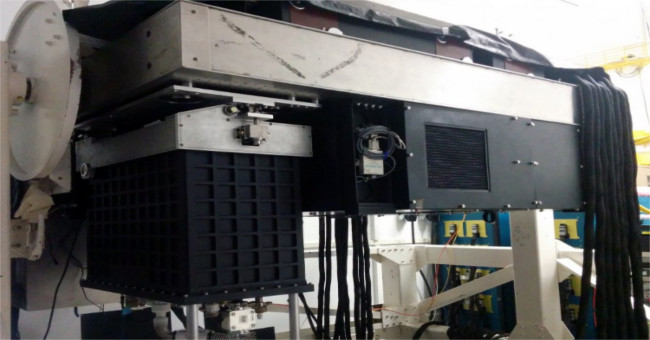
Usually Earth-like exoplanets are quite close to the host star and their photography is extremely difficult because the host star is several times brighter than these pl…
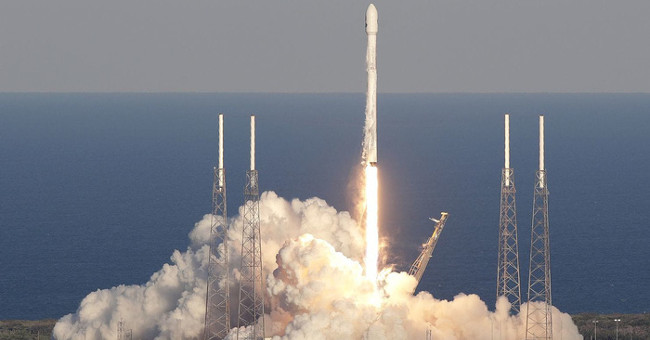
The US Aerospace Agency (NASA) is worried about SpaceX's super-powerful missiles that will be deadly.
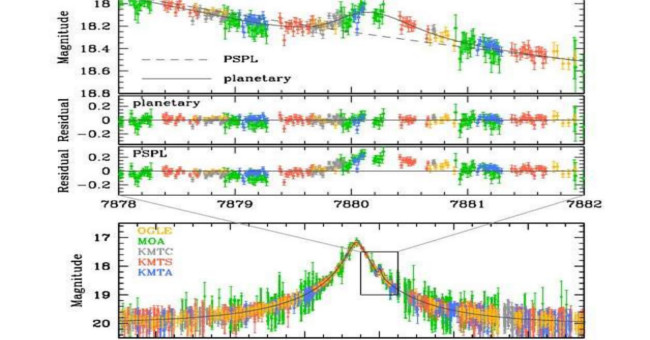
A group of international astronomers discovered one
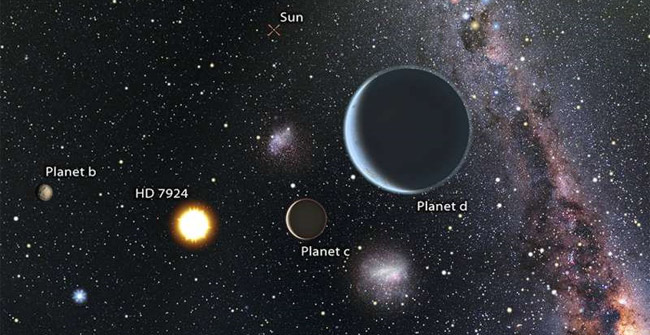
A surprisingly interesting star system found in space surprised the scientific community. The planets orbit around very close to the host star for a period of 1.2, 3.6 a…
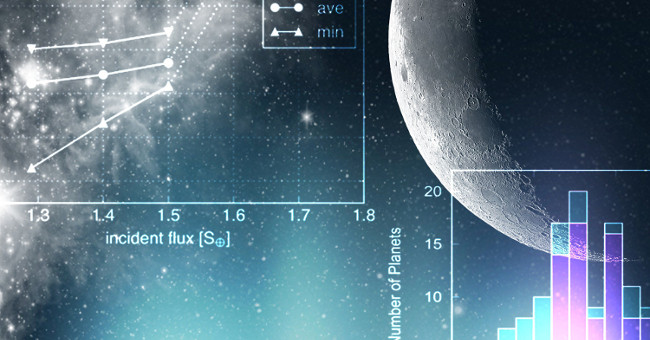
The new study was published by the University of Tokyo Institute of Technology (Japan). The newly discovered planets revolve around some small red dwarfs near Earth.
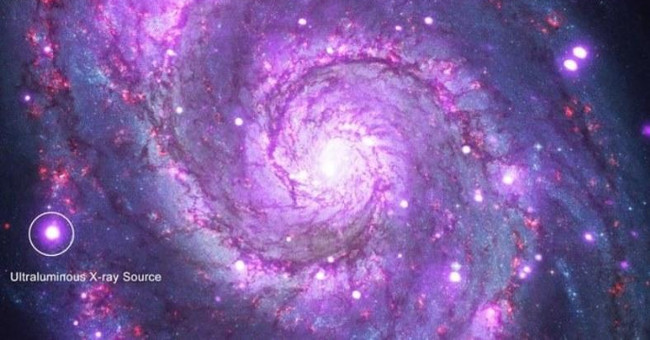
The team found a super-bright X-ray source (ULX) in the Whirlpool galaxy thanks to NASA's telescope.