
History
History of syringes and needles
In medical literature, the origin of the syringe can be traced back to the early years of the AD. Since then, syringes can be made of all kinds of materials from metal,…
Browse ScienceInfo articles and explainers related to Syringe.
21 published items.
In medical literature, the origin of the syringe can be traced back to the early years of the AD. Since then, syringes can be made of all kinds of materials from metal,…
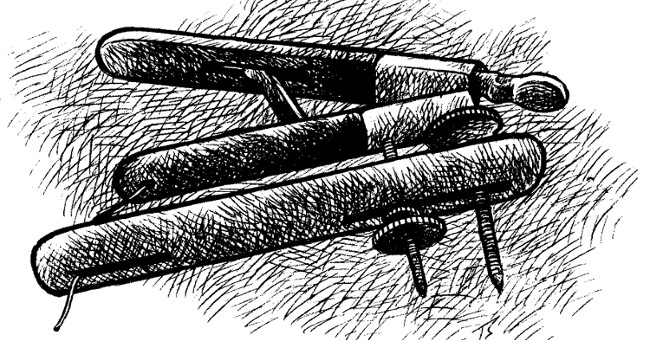
Same point through those
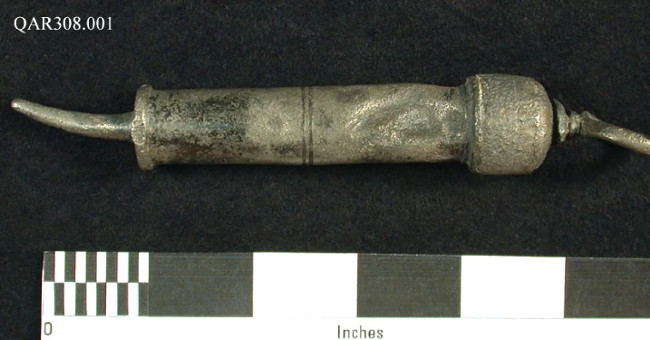
Blackbeard is one of the most notorious pirates in the world. His real name is Edward Teach (or possibly Thatch).
Researchers at the Hebrew University in Jerusalem have achieved a breakthrough in controlling the dangerous pathogen's bacterial pathway system - a promising achievement…
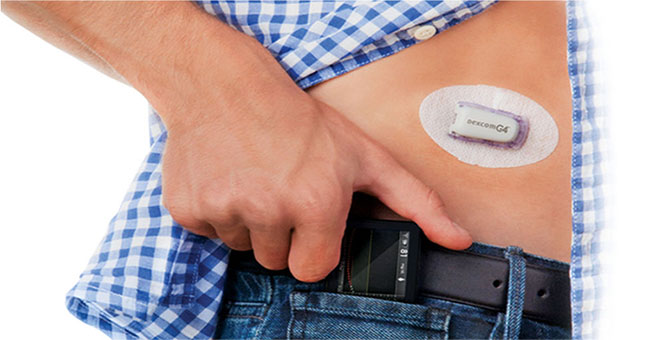
With this new device, type 1 diabetics will get rid of the syringe, getting rid of all worries about insulin levels causing the risk of hypoglycemia.
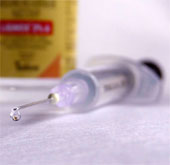
The World Health Organization (WHO) expects that by 2020, all hospitals and health facilities will only use it
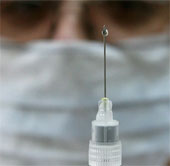
Perm city scientists in Russia, together with US colleagues, invented an alternative to conventional syringes.
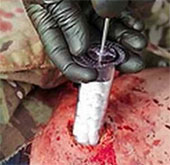
According to RevMedX, the device called XStat is an improved syringe containing tiny sponges.

For blood-borne diseases such as HIV or hepatitis, it is very dangerous to use the wrong syringe used by the patient.

Scientists at the University of Moscow (Russia) are currently developing a medical device capable of taking blood samples and injecting nurse medicine, which is expected…
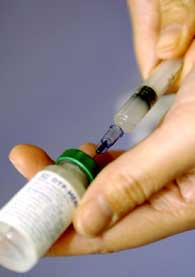
Vaxigrip is a flu vaccine of 2005/2006. This is an injection suspension pre-loaded in a 0.5 ml syringe or in a 0.5 ml ampoule. This vaccine is called VAXIGRIP, newly pro…

Excluding a common needle, it was inserted under the skin to put the drug in. At the top of the syringe, there was a very small auxiliary needle. It pokes in the skin fi…

US scientists have created a micro-magnetic robot system that can swim in blood vessels and spinal cord, carry an electric syringe from a syringe or dissolve blood clots…
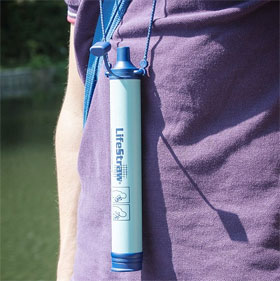
Based on the climatic needs of mountain climbers, a Danish company produces a smart straw that filters dirt into the mouth.

Researchers at the University of North Carolina have developed 3D printing technology a new step in the use of liquid metal materials.