
New technology
Japan is launching a battery powered by urine
Nakabayatsu stationery center in Osaka, Japan will soon launch a battery of urine products from early August.
Browse ScienceInfo articles and explainers related to System.
5,630 published items.
Nakabayatsu stationery center in Osaka, Japan will soon launch a battery of urine products from early August.
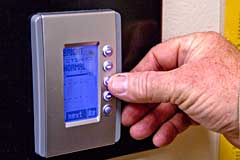
The University of UC, USA, was honored to receive 50 LEED certifications, the most of all other universities in the United States. LEED certification is awarded to UC Un…
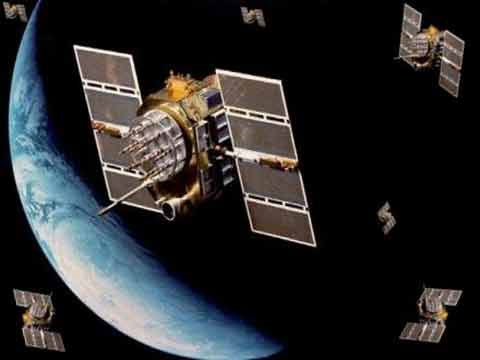
By 2012, China will launch 8 more satellites to participate in Beidou (North Dau) orientation satellite.
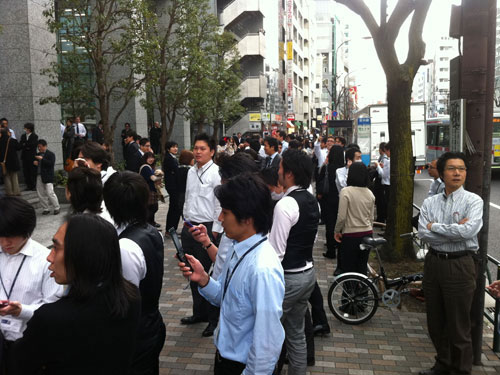
The Ministry of Communications of Japan plans to launch a new earthquake warning system through mobile phones and car navigation devices by the fall of 2013 to help aler…
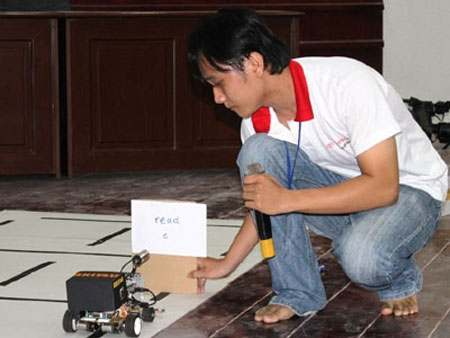
Flower robot, 3G terrain climb, handwriting recognition, pronunciation or bird robot ... is a unique creation of nationwide students converging in the 2011 Tech-show, on…

Japan's smart missiles will be capable of detecting and correcting themselves. Epsilon, the name of the type of missile that JAXA is about to build, can self-test th…
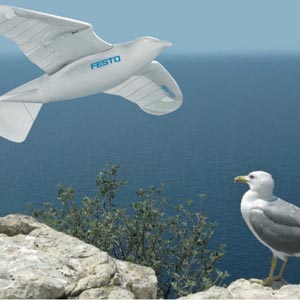
Festo has introduced a seagull bird, weighing 450g but with a wingspan of 1.96m, was named SmartBird.

Technology developed by Honeywell Aviation Group to help the plane land safely in the condition of clouds with a view only 30m.
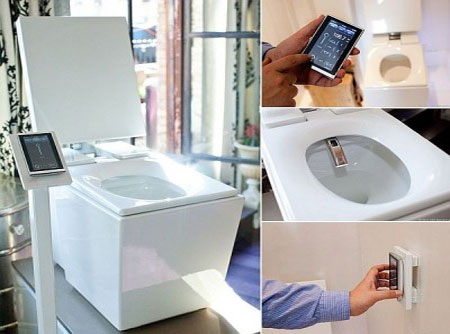
Built-in seat warmers, light sensors, speakers, MP3 players, FM radio and a touch screen display ... The toilet costs $ 6,300.

British scientists are studying new batteries for soldiers using energy from the sun and body heat.
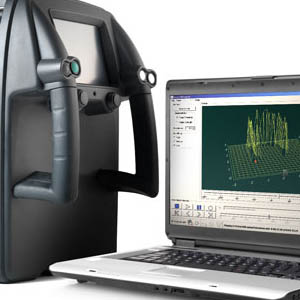
Appeared on the Iraq battlefield since 2006, the radial-looking radar devices such as Prism, Xaver400 ... have been improved and developed.
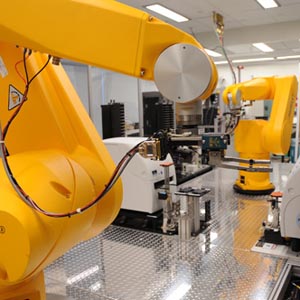
A new high-speed robot screening system capable of testing the toxins of 10,000 different chemicals has just been put into use in the US.

Researchers at Purdue University create a unique system that can absorb heat from automotive exhaust to generate electricity while reducing fuel consumption.
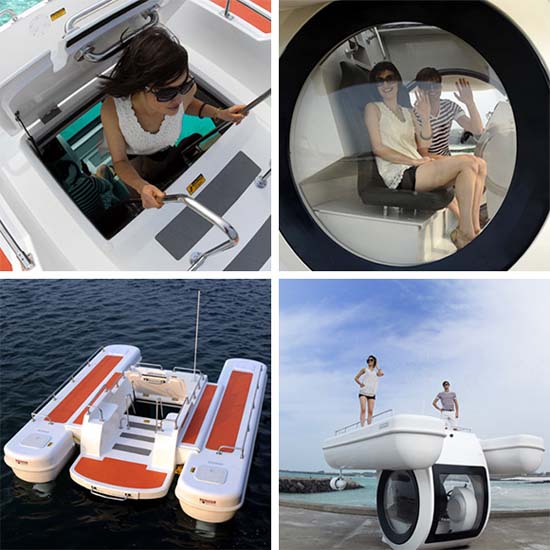
Called EGO, the device used to roam the sea has just surfaced and sank. Its actual shape is like a ship overturned.
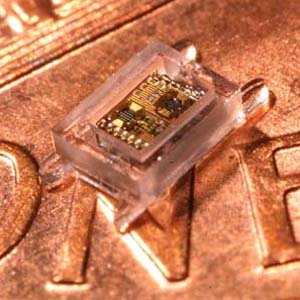
US scientists have successfully built the world's smallest computer system, with a size of only 1 square millimeter, to help treat glaucoma patients.