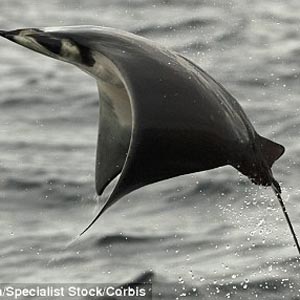
Oceanography
Swim with thousands of stingrays
Amateur diver Gary Larter has an interesting journey in the bottom of the Mexican sea when swimming with thousands of stingray stingrays.
Browse ScienceInfo articles and explainers related to Tail.
446 published items.
Amateur diver Gary Larter has an interesting journey in the bottom of the Mexican sea when swimming with thousands of stingray stingrays.
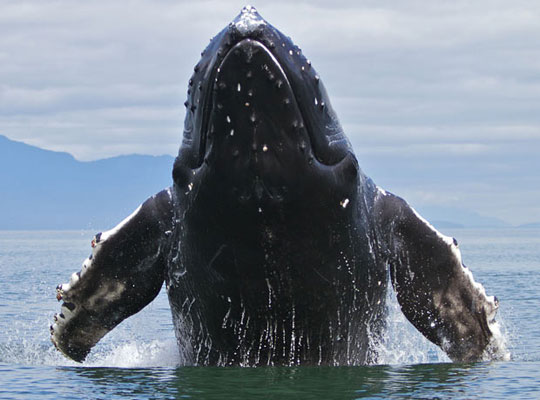
With 10,000 km of travel, this is the longest journey ever made by a mammal.

Thanks to gene analysis technology, experts realized that three species of fish are just one and this is a strange transformation in the world of vertebrates.

The fastest speed a dolphin can swim near the water is 54 km / hour. He can't swim faster, if he doesn't want to hurt.
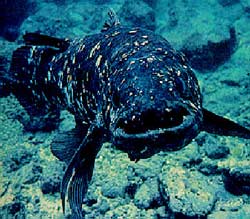
In 1938, South African fisherman captain Hendrick Goshou caught a strange fish that had never been seen before. This fish is like a fossilized fish (Crossopterygii), 1.5…
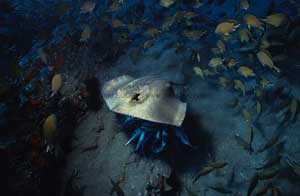
Poisonous sea ray sting (scientific name: Dasyatis Violacea) is the most active creature in the family of stingrays. It is easy to recognize them when this particular fi…
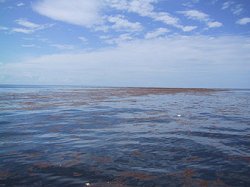
The vast majority of the seas are at the edge of the oceans, adjacent to the mainland, but the Sargasso Sea in the North Atlantic is
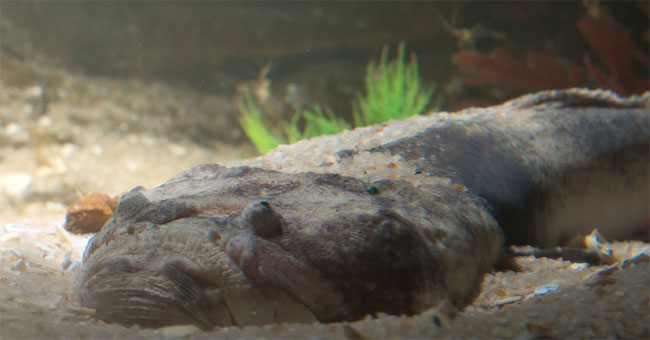
A diver records the process of camouflaged stellar fish near Blairgowrie Pier, Victoria, Australia, Storyful reported on December 7.
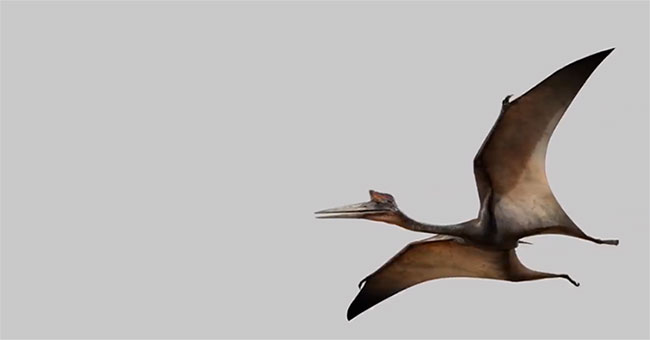
Amphicoelias lizard foot is the largest known dinosaur with a tail length of up to 58m.

The nearly intact 100 million year old fossil was found in amber in Myanmar, according to USA Today.
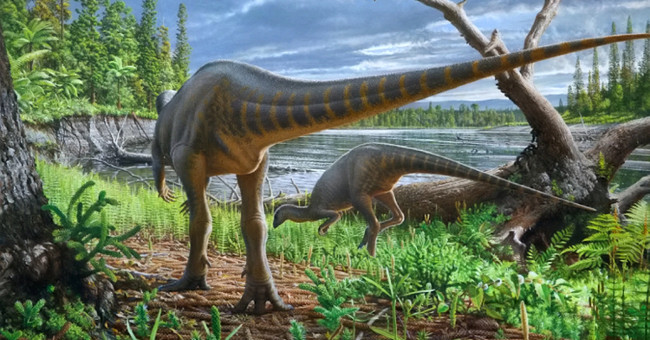
Answering CNN, Matthew Herne, a palaeontologist who led the work, said dinosaur bones from Australia are rare.
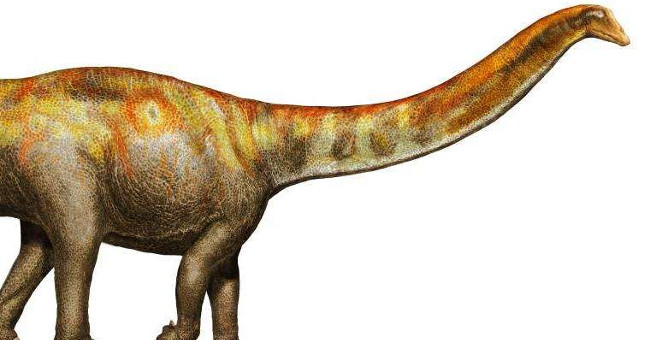
The giant dinosaur eating Galeamopus pabsti grass can use its tail to chase dangerous meat-eating dinosaurs.
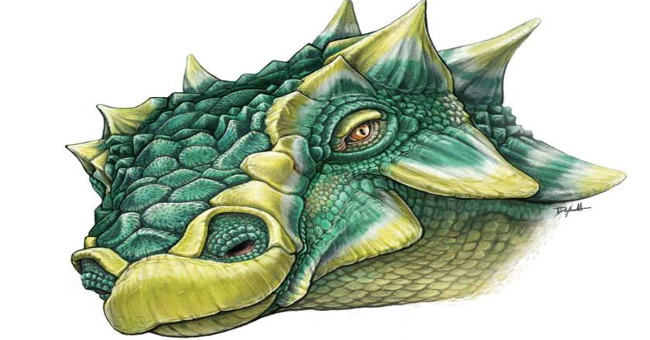
The newly discovered mace-like dinosaur is called the Ghostbusters because of the horns and thorns like monsters on its face.

People in evolution have lost their tails. However, a recent study shows that we have lost the tail, not just one but twice.
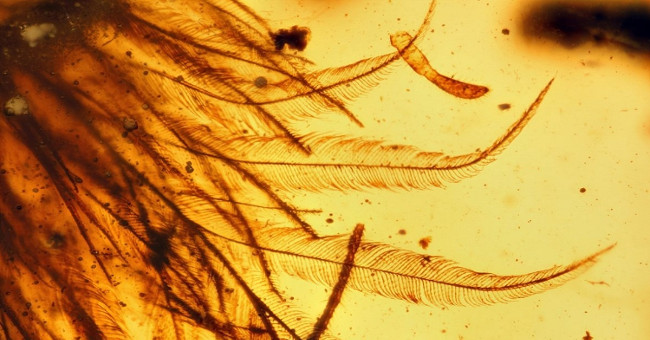
The amber contains dinosaur tails with covered feathers discovered at a market in Myanmar, believed to belong to a small dinosaur that lived 99 million years ago.