
Archeology
Identify dinosaur colors
A group of British and Chinese scientists claimed they had identified the true color of a dinosaur.
Browse ScienceInfo articles and explainers related to Tail.
446 published items.
A group of British and Chinese scientists claimed they had identified the true color of a dinosaur.

Canadian scientists have found the missing link in the evolution of seals and walruses.

Studies conducted today show the first whales in the ocean swim by waving their massive hind legs.

The skeleton may be a new species - a giant herbivore - newly excavated in Argentina. With a tail-head length of 32-34 meters and as tall as a 4-storey building, the ani…

Fossils of a massive amphibian with crocodile body and fish tail have been unearthed in Oregon, USA. Scientists believe that the body of the creature has been moved in t…

Scientists have identified an ancient reptile that once swam in the sea when the dinosaurs dominated the earth. Called Umoonasaurus, this creature lives in and ugrav
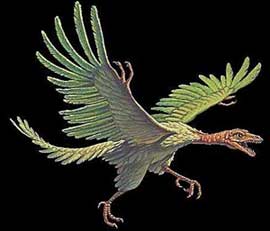
How did birds evolve? This is a difficult topic of science. Birds have soft bones that fly in the air, have few fossil occasions, so fossil records of bird roots are rar…

Argentine archaeologists have discovered a nearly intact large skeleton of Titanosaurus, a long-necked herbivore that lived 71 million years ago. According to archaeolog…
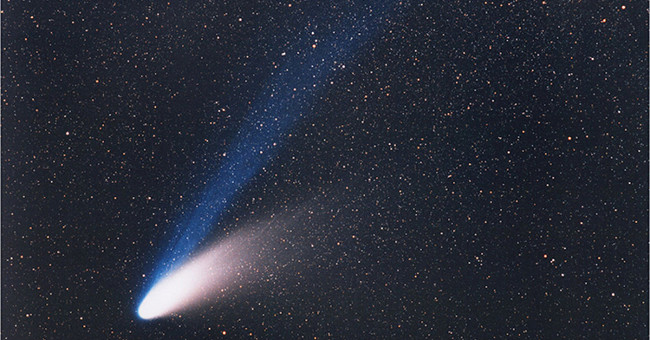
Comet is an astronomical object that flies in space, it is almost an asteroid, but is not composed of rocks but mostly from ice.

Hale-Bopp comet is 1,000 times brighter than Halley's comet at the time of discovery. The pale blue tailed white tail can even be observed in urban-polluted cities like…

Scientists have discovered one of the youngest meteorite known in the Solar System, which is very strange when it splits itself and develops two individual comet-like ta…

A space whale-like image appeared in the telescope tube that shocked the scientific world.

Scientists have discovered the first non-tailed comet in human astronomical history, providing clues to the process of decoding the formation of the solar system.

NASA's Chandra Observatory captured the image of a sparkling celestial object: a hot gas stream of 250,000 light-years long.
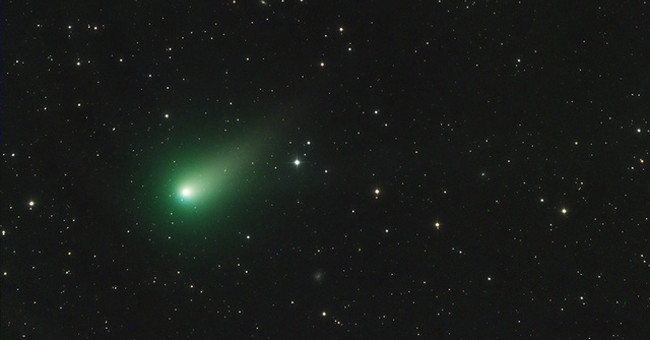
What's more interesting than welcoming 2016 with a unique astronomical phenomenon?