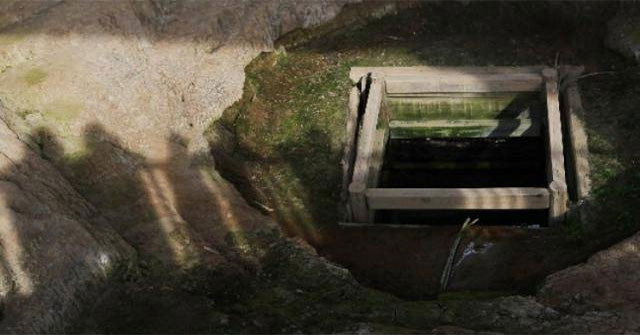
ArcheologyThis is considered the most important archaeological discovery of the Qin Dynasty after the Terracotta Army was excavated in 1973 in Xi'an.
June 6, 2025

ArcheologyWith this special arrangement, the terracotta army in the tomb of Emperor Qin Shi Huang can take on different tasks when fighting.
June 6, 2025
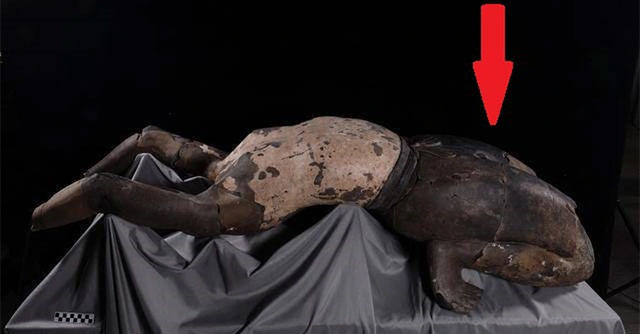
ArcheologyThe strangely posed terracotta statue in the tomb of Emperor Qin Shi Huang has left archaeologists amazed.
June 6, 2025
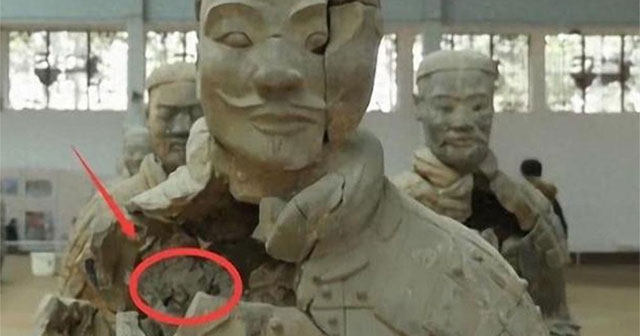
ArcheologyA cracked terracotta warrior in Shaanxi has revealed the truth.
November 26, 2024
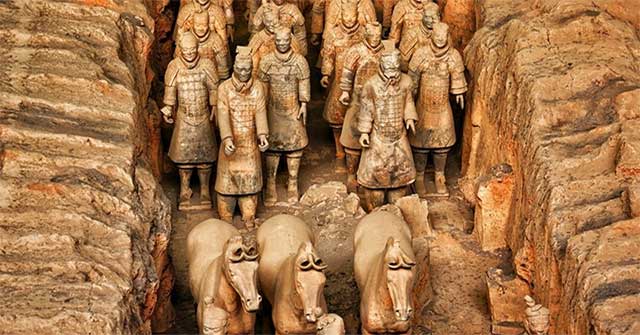
VideosQin Shi Huang's terracotta army was once painted with brilliant colors made from natural minerals such as peacock stone, cinnabar...
October 28, 2024
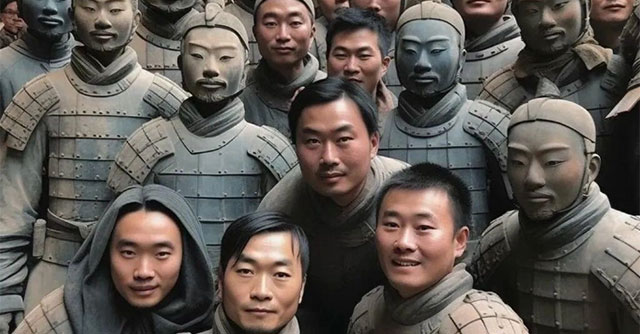
AI - Artificial intelligenceWhat will be the real faces of the terracotta army and the Eight Flags army after AI reconstruction?
May 26, 2024
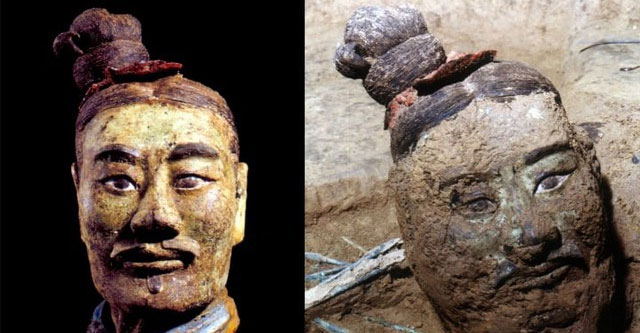
ArcheologyThe moment the expert who excavated Qin Shi Huang's terracotta army came to the surface, they quickly felt regret.
May 26, 2024
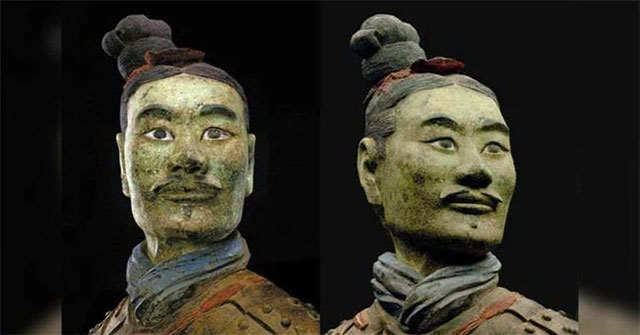
ArcheologyThis statue is unique among the 7,000 statues of soldiers and horses in the mausoleum of Qin Shi Huang.
April 9, 2024
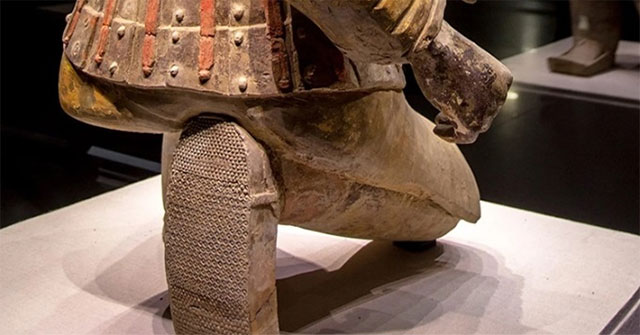
ArcheologyThe shoes on the feet of an archer in the terracotta army have many superior features, demonstrating the excellent level of craftsmanship during the Qin Dynasty.
April 3, 2024
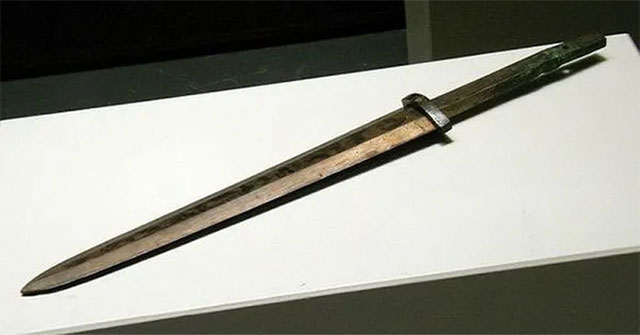
HistoryWhat is the reason why the weapons of the terracotta army in the tomb of Qin Shi Huang are so perfectly preserved, shiny and sharp after being buried for more than two m…
July 9, 2022
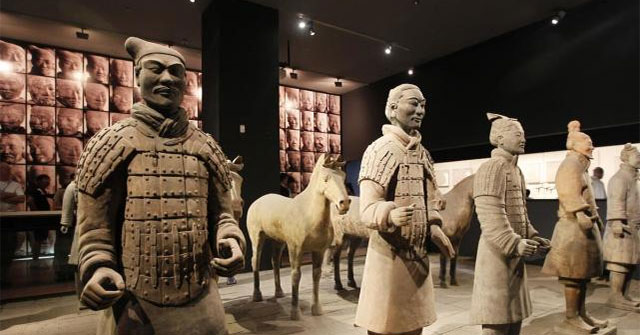
ArcheologyWhat is the story of the 3 'revival' of specific terracotta warriors? And is there any explanation for this mystery?
January 17, 2022
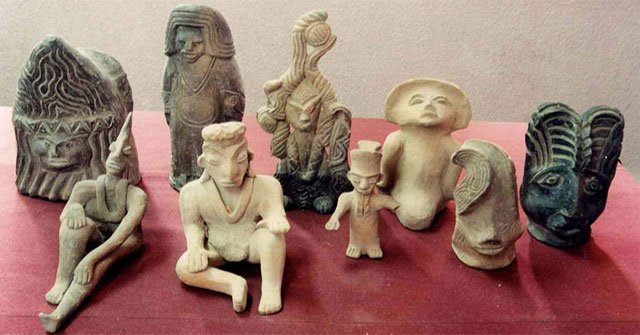
Archeology76 years ago, 33,000 terracotta statues were found in Mexico, which is considered as the typical evidence for the theory that dinosaurs lived with prehistoric humans.
March 24, 2020
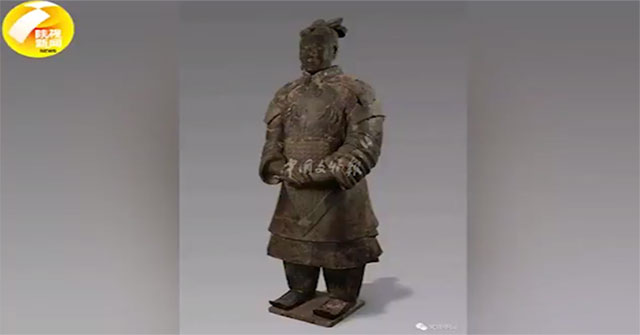
ArcheologyChinese archaeologists found 220 more terracotta warriors during the excavation of the tomb of the first Emperor of the Qin Dynasty.
January 13, 2020
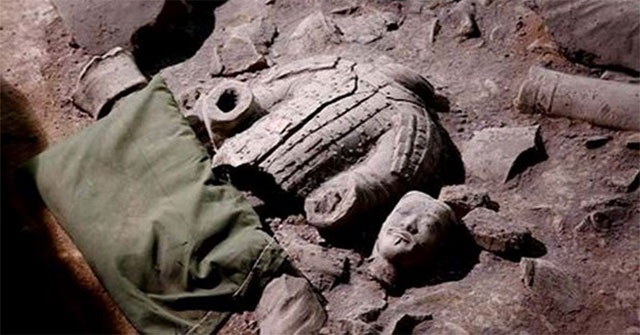
ArcheologyThe stone was discovered in an area in Shaanxi Province, China, which is similar to the stone found on the armor in the Qin Emperor Emperor's Tomb.
December 11, 2019
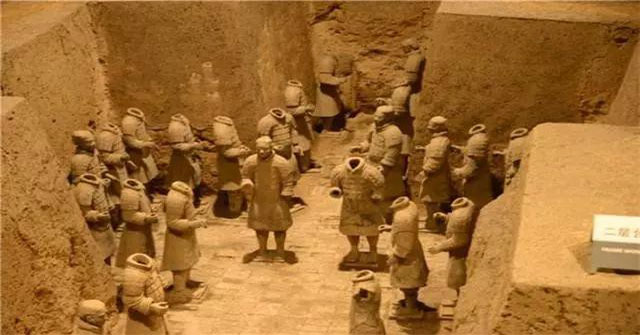
ArcheologyIn the tomb of Tan Thuy Hoang, among the terracotta statues, there are always high earth walls in order. So why do archaeologists not break or excavate those walls?
June 14, 2019