Space science
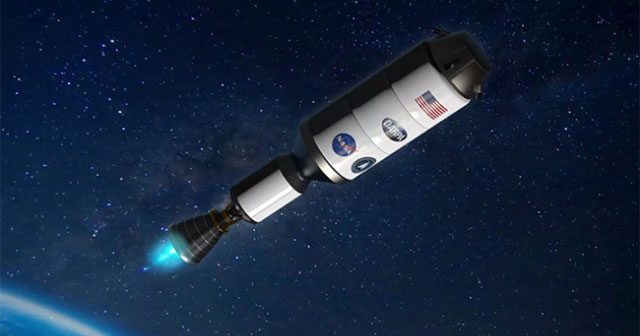
NASA develops nuclear-thermal rocket to take humans to Mars in 45 days
NASA will develop nuclear rockets to cut the time it takes to make a manned trip to Mars from seven months to 45 days.
Browse ScienceInfo articles and explainers related to Thermal.
129 published items.
NASA will develop nuclear rockets to cut the time it takes to make a manned trip to Mars from seven months to 45 days.

A Harry Potter-style invisibility cloak will soon be available on the market, according to a joint research team between Vollebak and the University of Manchester in the…

Nowadays, the race to explore and conquer space in the context of a technological explosion has urged Western countries to build launch vehicles using nuclear propulsion.

NASA's Odyssey orbiter has captured a unique image of the Martian horizon.

Color changing cups are one of the products used by many people today, especially young people because of the unique features that this product brings.
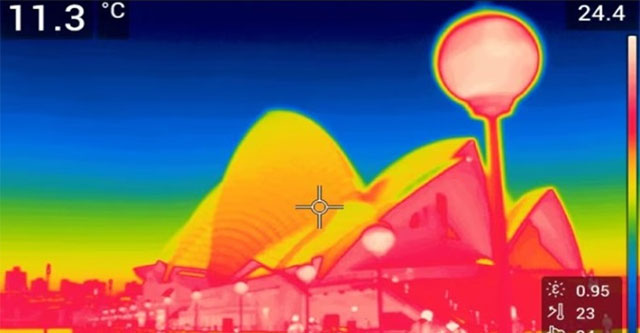
The device from the University of New South Wales team uses special semiconductors to collect infrared radiation emitted by the Earth and convert it into electricity.

Helsinki's heat pump will provide 200 GWh of thermal energy annually, capable of heating 30,000 households and saving 26,000 tonnes of CO2.

Under certain conditions, lithium-ion batteries can continuously and uncontrollably heat up, leading to fire and explosion.

When a burn accident occurs, it is necessary to remove the victim from the dangerous area, cool the burn wound and prepare for the next emergency steps.
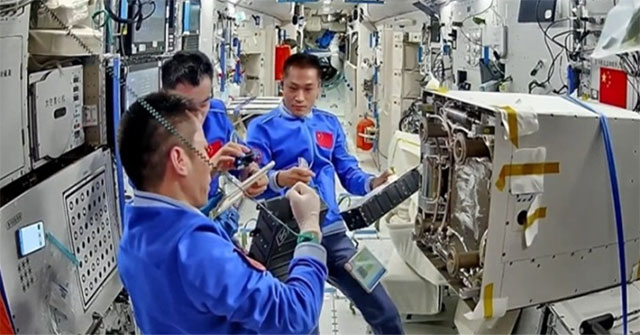
The Thien Cung space station, located 400km above Earth, always has spring-like temperatures, providing an optimal environment for astronauts to live and work.
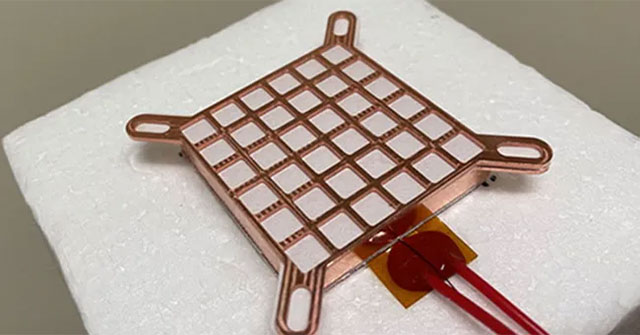
A recently published scientific study has shown
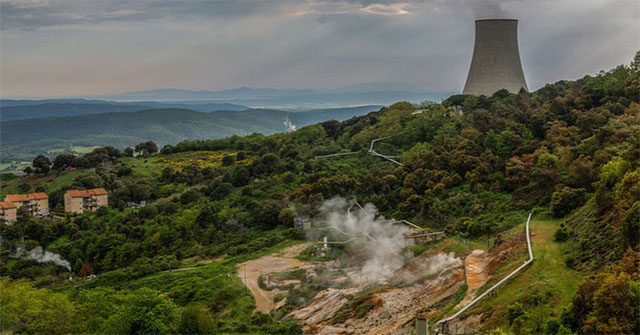
The world's first and oldest geothermal power plant is hidden in a quiet corner of Tuscany, Italy, called
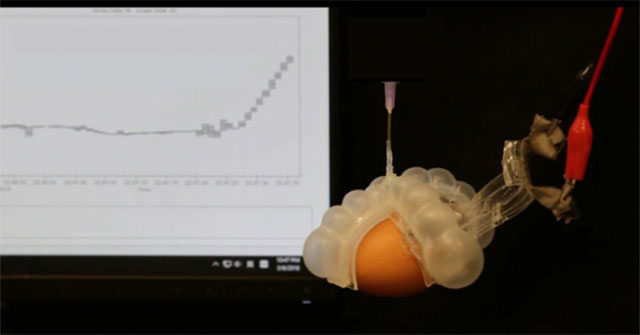
Scientists have developed a flexible, stretchy thermal sensor that is simple in construction and responds very quickly to temperature changes.
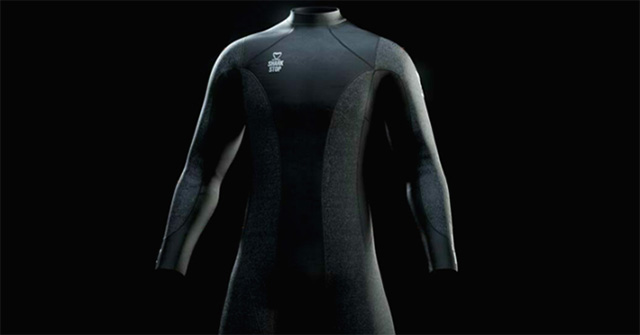
The Shark Stop thermal bathing suit is made from very strong materials, which can resist cuts, punctures and limit injuries, thereby reducing blood loss.

4.5 billion years ago, the Earth was covered with molten rock (magma) deep in the ocean, creating extreme temperatures common on its surface.