Medicine - Health
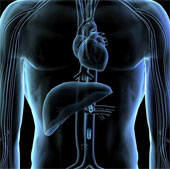
Successfully attached micro sensor to heart tissue
Japanese scientists have now successfully developed a micro-heart rate sensor that can be attached directly to heart tissue, helping to monitor and control cardiovascula…
Browse ScienceInfo articles and explainers related to Tissue.
391 published items.
Japanese scientists have now successfully developed a micro-heart rate sensor that can be attached directly to heart tissue, helping to monitor and control cardiovascula…
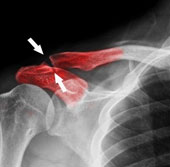
The process of restoring a broken bone or prosthesis is often painful and takes a lot of time to practice physical therapy.
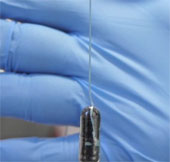
British scientists find new ways to diagnose esophageal cancer by examining the Cytosponge capsule made of sponges.
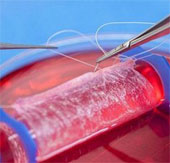
The experts believe, this penis regeneration study will open hope for people with birth defects or sensitive parts injuries.
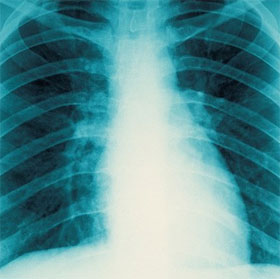
Experts say that the ribs can regenerate themselves in the hope of regenerating whole bones in the human body.
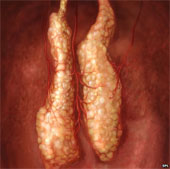
In the past, researchers have cultivated the organ's success in laboratory animals, but the process has yet to be applied in living organisms that are extremely complex…
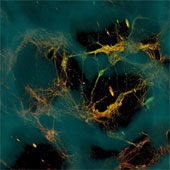
American scientists have succeeded in developing a type of tissue that has a three-dimensional structure of the mouse brain and can live in the lab for more than two mon…
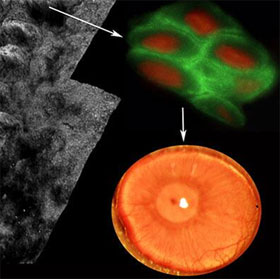
Scientists may have found a new treatment for blind people, after successful redevelopment of the cornea in the laboratory.
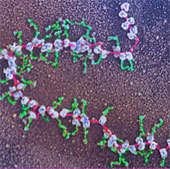
International researchers have identified a map of the
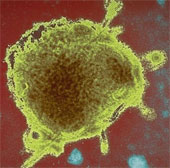
Researchers have just revealed evidence of a clinical trial for new cancer treatments, using specially modified large amounts of measles virus.
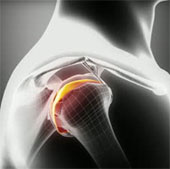
For the first time, scientists have successfully cultured human cartilage in the laboratory thanks to stem cells taken from adipose tissue.

A boy born with 2 life-threatening heart holes survived miraculously by a cow heart.
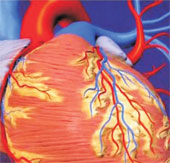
According to a reporter in Sydney, Australian and US cardiologists have just published in Nature that they have discovered a way to restore heart muscle that is paralyze…
British and American scientists have successfully created a piece of epidermis - the outermost layer of skin, from stem cells in the laboratory.
This new study only reports epigenetic changes with a single stress response gene called FKBP5, linked to depression, bipolar disorder and post-traumatic stress disorder.