
Medicine - Health
How important is vitamin B12?
In 1948, Rickes isolated from pig liver a red crystalline substance named vitamin B12, then four Nobel prizes were awarded for studies related to vitamin B12.
Browse ScienceInfo articles and explainers related to Tissue.
391 published items.
In 1948, Rickes isolated from pig liver a red crystalline substance named vitamin B12, then four Nobel prizes were awarded for studies related to vitamin B12.
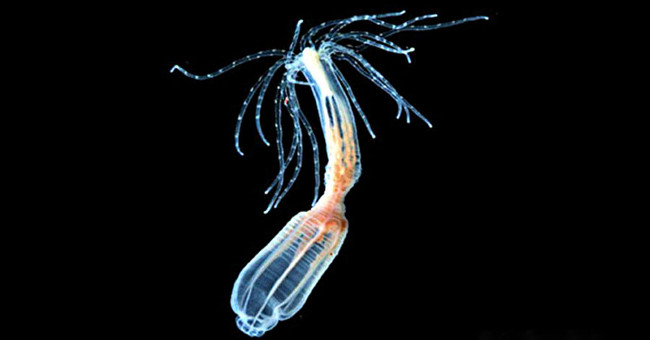
The most important part of the human body and also the most difficult to replace, is the heart. But in the future, we will recreate it.

Researchers have recently created the world's first artificial biological retina. This is considered a major step forward to avoid damage in retinal implant surgery in t…
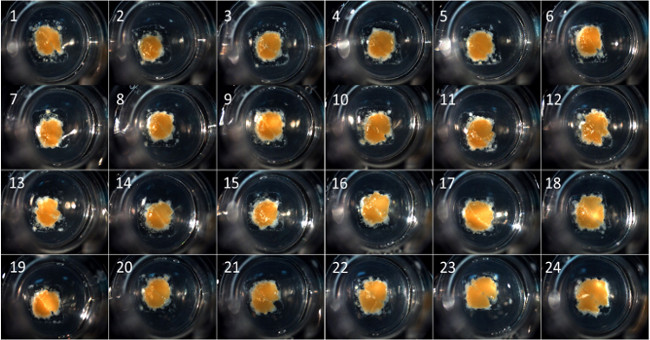
We are approaching mass production of bone, functional organs and implants.
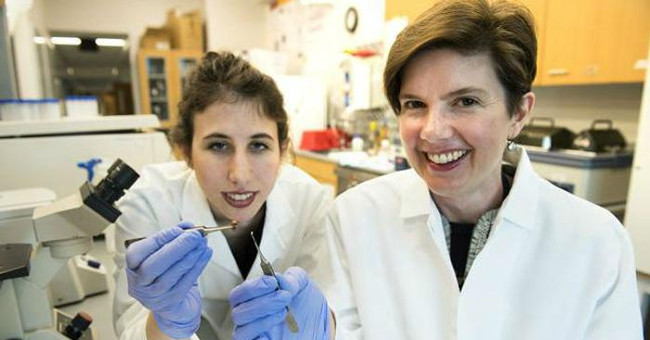
American scientists have created a medical revolution in restoring scarred heart tissue, sequelae of a heart attack, with a 3D patch.

American biomedical researchers have made a big breakthrough, opening new doors for organ transplantation when using spinach leaves to create heart tissue.
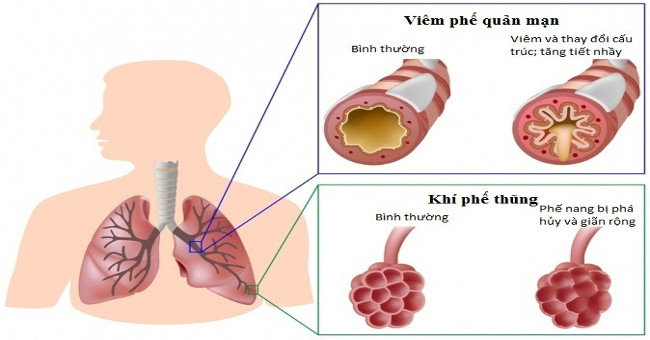
Currently, in the world, stem cell therapy has been studied and used to treat many different diseases, including lung diseases such as chronic obstructive pulmonary dise…

The human body is a machine with an extremely complex structure and when these are

Scientists have worked for years to find ways to integrate robots into medical products.

A group of scientists from Massachusetts General Hospital and Harvard Medical School used adult skin cells to regenerate functional heart tissue.
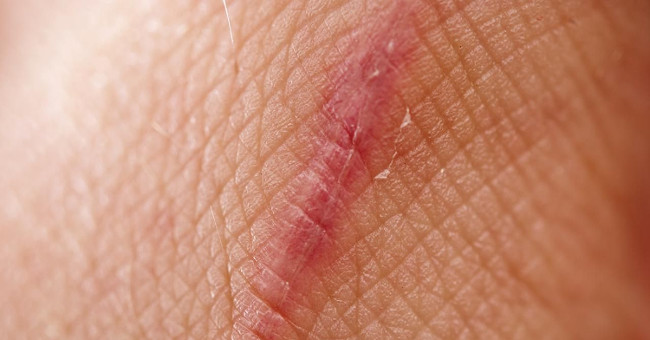
If statistics, perhaps almost everyone in this world is ... scarred. Whether it's a car crash, sports or ... bitten by a dog, scars still represent painful memories that…
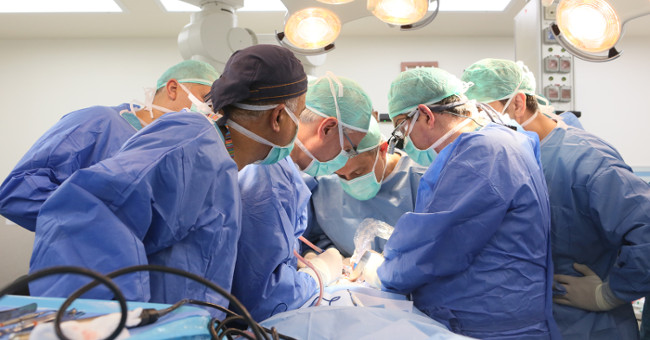
This law will take effect from January 1, 2017. However, individuals who do not want to donate organs have the right to register

After 1 year of transplanted frozen ovaries from the age of 9, Moaza Al Matrooshi, 24, in England, on December 13 gave birth to a healthy baby boy.

Buerger disease mainly occurs in men who are addicted to drugs, which leads to skin tissue damage, even necrosis, to the point of need.
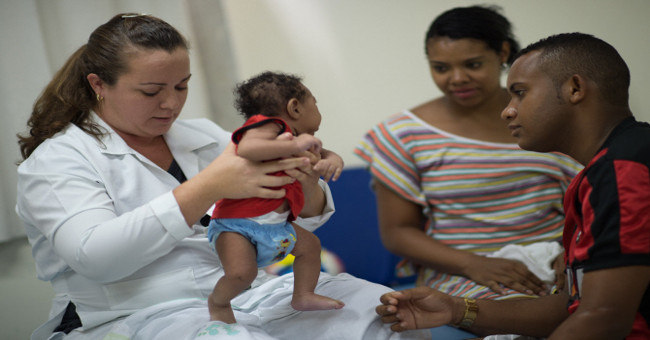
These findings firmly confirm previous studies that Zika virus can reproduce in the brain of fetuses and placenta.