New technology
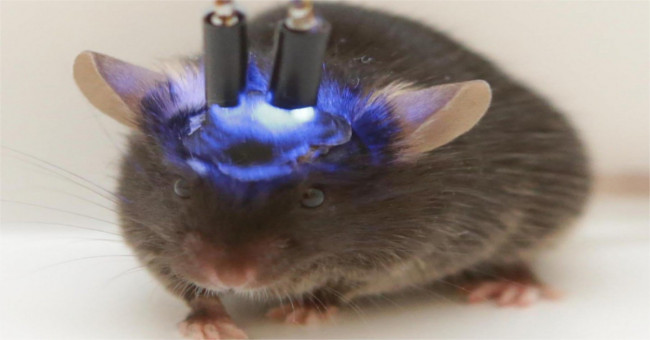
Mini-rat brains in mice raise concerns about intelligent hybridization
Scientists transplant human brain tissue into rodents and mice, raising a moral debate among researchers.
Browse ScienceInfo articles and explainers related to Transplant.
416 published items.
Scientists transplant human brain tissue into rodents and mice, raising a moral debate among researchers.
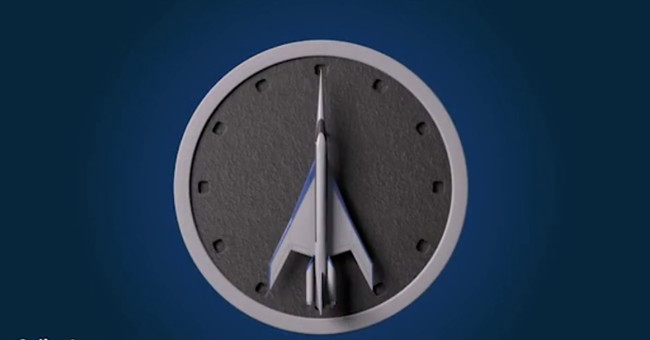
According to Spike, the flight test took place smoothly and the aerodynamic design of the aircraft was very effective.
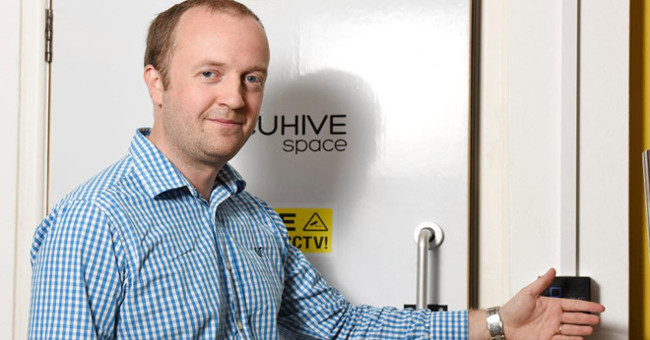
He said this technology is similar to microchip use for dogs and cats. Time to implant equipment is only 30 seconds.

Two British patients did not need morphine and quickly recovered from the first kidney transplant performed by a robot.

The human body is wonderful but not perfect. It can have defects, damage and disease that can be attacked with little or no warning.
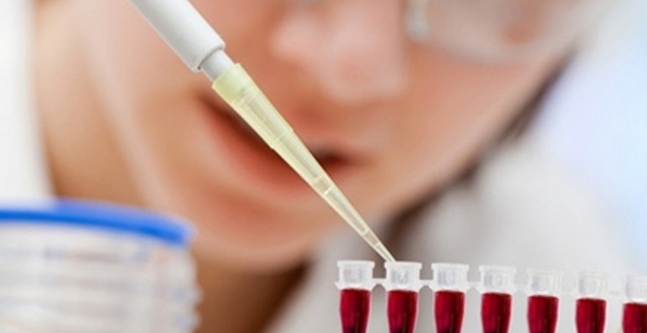
Researchers in Australia have discovered a chemical molecule that allows to identify, lead and collect stem cells from donor's blood to treat cancer patients.
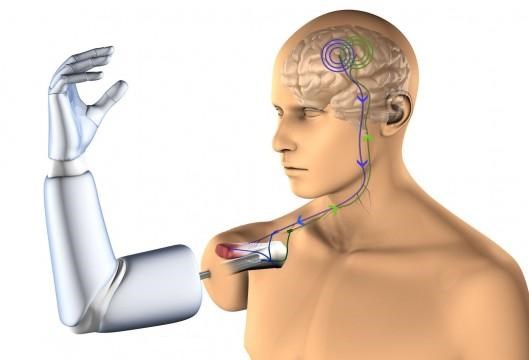
US scientists have reportedly transplanted artificial neural devices into a brain region of people with paralytic paralysis or loss of limb, enabling the patient to tran…
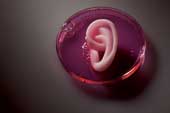
Organ transplant is a marvelous achievement of medicine, helping many patients escape the death sentence. New achievements of science and technology continue to help thi…
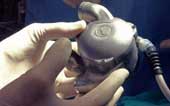
Scientists successfully implanted no artificial heart for a sheep and could test the human body in 2018.

For the first time in medical history, doctors at Stellenbosch University and Tygerberg Hospital (South Africa) have announced successful penile implants.

A high-tech office block named Epicenter in Sweden has recently adopted a particularly convenient way to help its employees unlock and print in the office, which is thei…
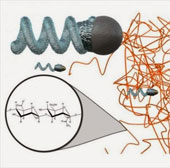
Scientists around the world are creating nanobots called nanobots. One of the main goals is to provide pharmaceuticals exactly what they need inside the body.
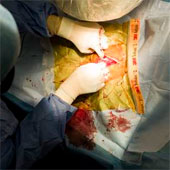
Scientists have found a way to charge non-wires for devices inside the human body.

Scientists have come closer to turning a fantasy dream into reality when developing technology that uses biological ink
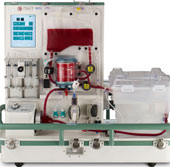
On March 15, 2013, a British team announced that it had successfully developed a machine that could keep people's liver alive for up to 24 hours.