Scientific works
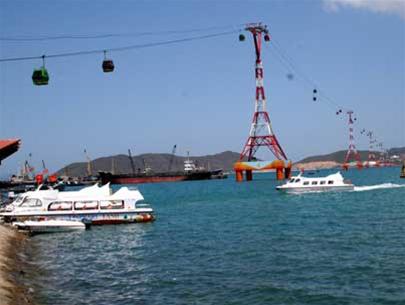
The world famous cable car
The cable car transport routes are no longer a strange image in the world. Not only means transport means, many large cable car works in the world become pride, pride an…
Browse ScienceInfo articles and explainers related to Transport.
511 published items.
The cable car transport routes are no longer a strange image in the world. Not only means transport means, many large cable car works in the world become pride, pride an…

An Israeli student introduces the idea of automatic parcel delivery, moving and self-balancing on one wheel.
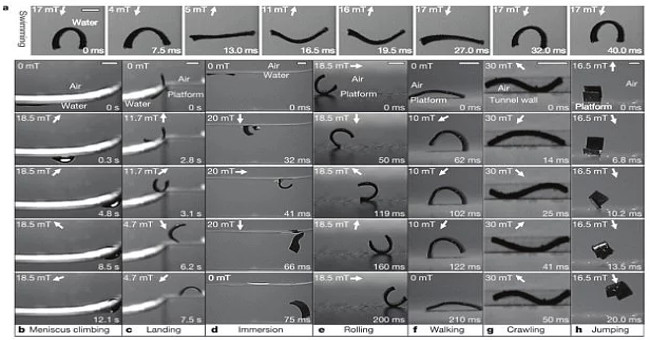
Researchers in Germany have recently developed a robot that is only 0.7 inches (1.7cm) with looks that looks like a small worm.
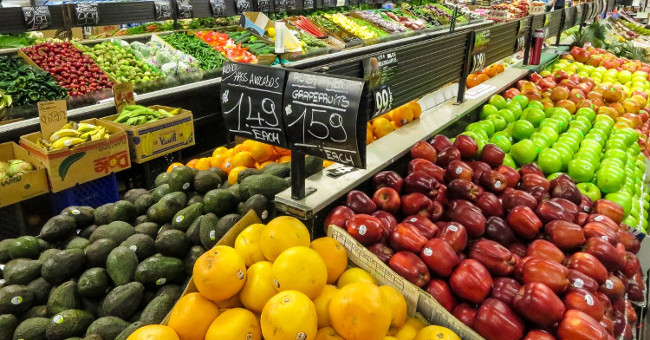
When agricultural products are transported and displayed in supermarkets, the concept

Most sperm are malformed, men still have the ability to pillow and give birth if only one testicle, sperm also degenerate with age ... are things you may not know.

Place the patient in a bowed posture or excessive neck rest when moving easily causing marrow injury leading to quadriplegia.
The incident was discovered immediately in the live broadcast of the process of transporting the second female American nurse infected with Ebola.

Elevators are equipment for transporting people in high-rise buildings, apartments, commercial centers, tourist resorts ...
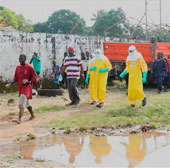
The World Health Organization is concerned that taxis that run everywhere become hot spots for Ebola because they transport patients to hospitals and are not disinfected.
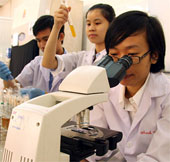
Scientists have successfully made nanoparticles from beneficial bacteria (beneficial bacteria) as a cancer drug transporter.

An English student stuck abroad because of his flight obsession now permanently in the desert by acute fear of all forms of travel.
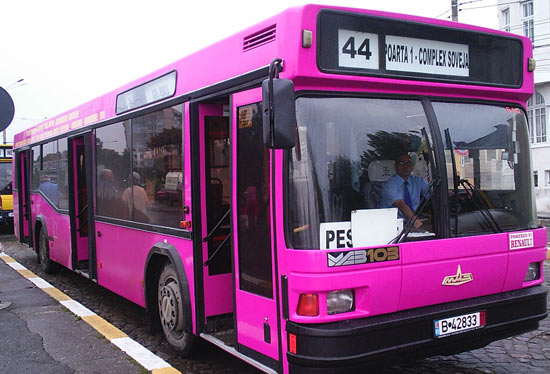
A study by British scientists shows that traveling by public bus is healthier than driving by yourself.

Two US universities have collaborated to successfully synthesize artificial red blood cells (sRBCs), copying key features and functions of natural red blood cells.

People who live near crowded transport routes have a higher risk of a heart attack than people who live in quiet areas, Swedish scientists claim.
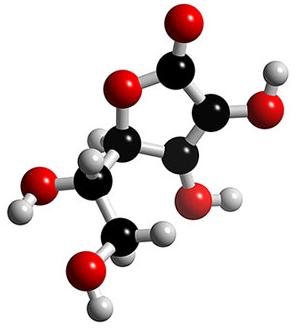
One study explained how humans, along with some high-level primates, guinea-pigs and fruit bats can live with the same innate metabolic defect: that the body is incapabl…