Discover science
Found the biggest building block of life, about to land on a new planet
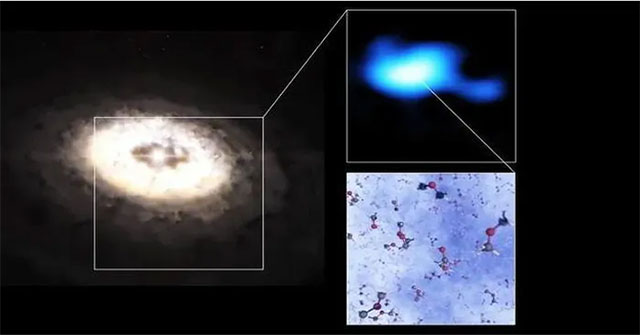
The largest molecule found in a disk of dust and gas orbiting a small star has been identified. It is a building block of life.
Browse ScienceInfo articles and explainers related to Trap.
163 published items.
The largest molecule found in a disk of dust and gas orbiting a small star has been identified. It is a building block of life.

Although the elevator model has a constantly moving and extremely scientific structure, it can become a death trap for those who are careless.
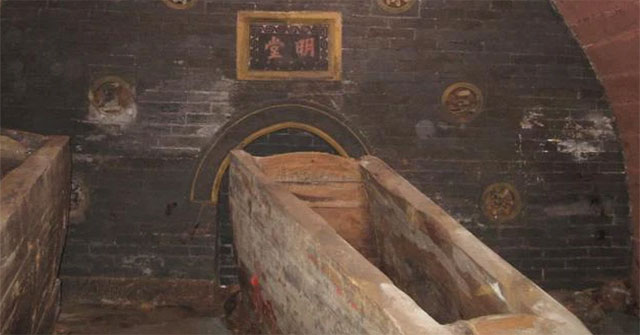
There is an old saying 'Retribution', so are grave robbers really their own lives of unscrupulous actions?
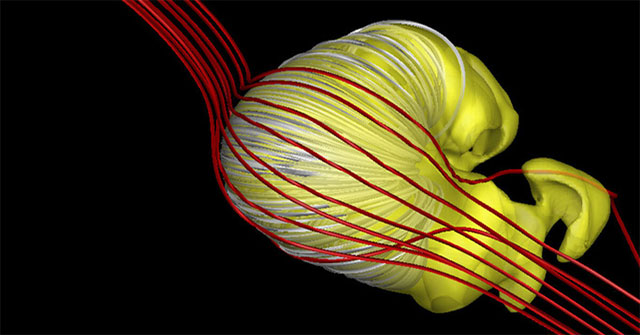
The US team of scientists confirmed that there is a bubble-like structure that is wrapping around the Sun and all of its planets, including Earth of course.
A type of gum containing a protein that 'traps' the SARS-CoV-2 virus will limit the amount of virus in saliva, thereby preventing the spread of pathogens when talking or…
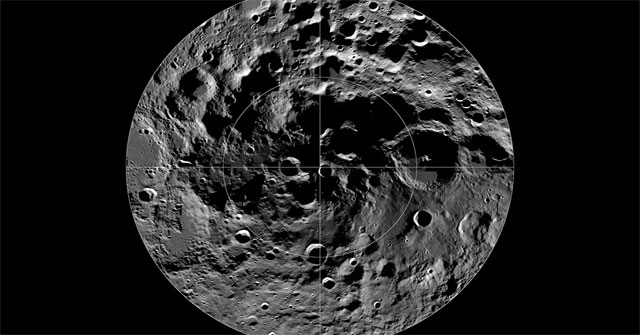
A new study published in the journal Geophysical Research Letters (PDF) by the Institute of Planetary Sciences and UCLA has confirmed that the Moon's cold trap of carbon…
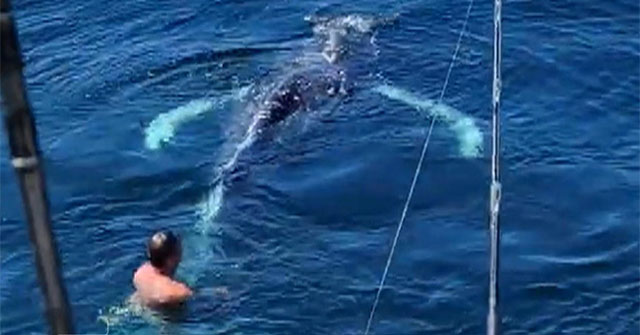
A man jumped into the water to rescue a whale caught in a lobster trap off the coast of San Diego, and the whale's unexpected return to thank its benefactor moved everyo…

Instead of spending money on drugs and rat traps, many people have decided to take advantage of household items to trap and kill rats.
Common fruit flies, also known as fruit flies, have the scientific name of Drosophila melanogaster.
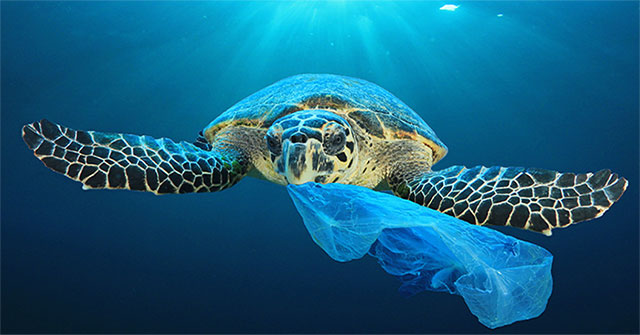
Scientists say it is no coincidence that marine creatures, especially turtles, eat plastic waste ...
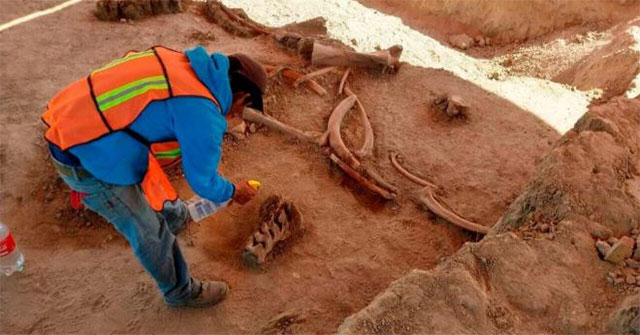
Archaeologists discovered about 60 mammoth skeleton in northern Mexico City (Mexico).
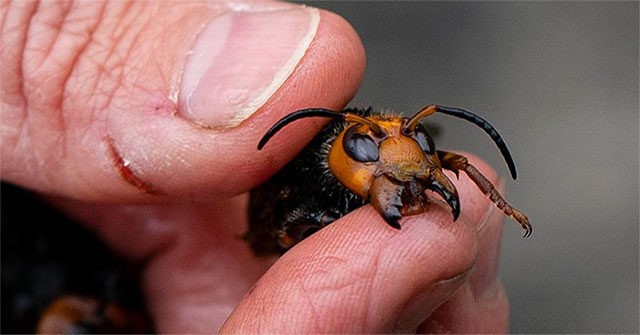
The fact that Asian giant wasps are found in the United States raises concerns that they may breed and kill native colonies.
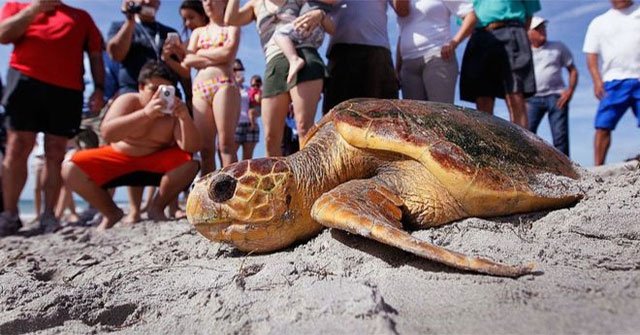
Scientists have new evidence to explain why plastic is dangerous to sea turtles: animals confuse the scent of plastic with food.
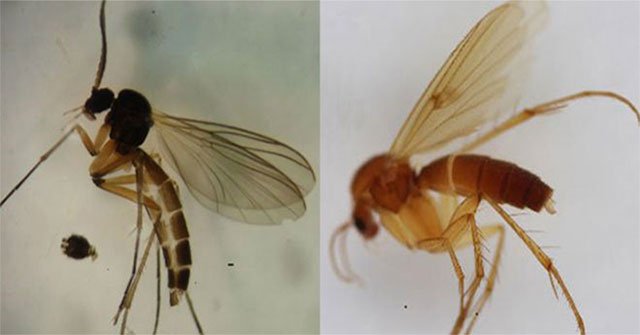
Biologist Ian Strachan discovered two species of mushroom-eating flies that were first observed in England in a forest on the Scottish Highlands.
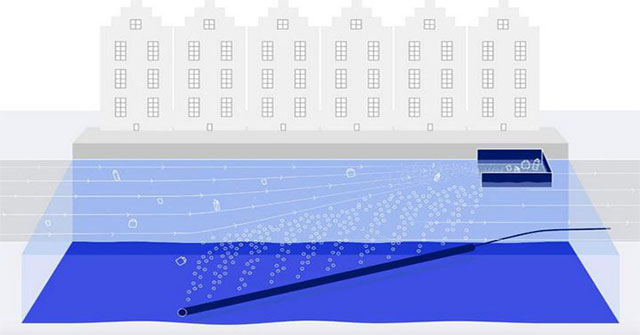
An interesting technology is being tested by Dutch scientists, using air bubbles to decompose plastic waste in the ocean.