Biology
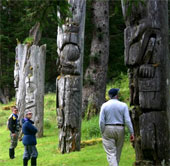
Many giant trees in Gwaii Haanas National Park
Gwaii Haanas National Park consists of islands, small islands, bays, small creeks, tidal lakes and beaches.
Browse ScienceInfo articles and explainers related to Tree.
1,714 published items.
Gwaii Haanas National Park consists of islands, small islands, bays, small creeks, tidal lakes and beaches.
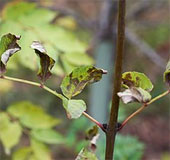
British scientists have mapped the genome of the British ash tree, in a search to find a way to protect forests from a deadly fungus.
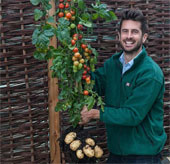
Lush green tomato vines, ripe fruits, but on the bottom of the root are spicy potatoes.
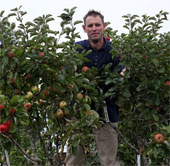
With a passion for farming, Paul Barnett, from Chidham, near Chichester, West Sussex, spent 24 years growing an apple tree with 250 different species.
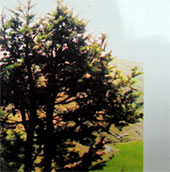
Recently, the Center for Biodiversity and Safety has obtained a sample of 3 conifer trees near the foot of Lung Cu flagpole (Dong Van district, Ha Giang province) at an…
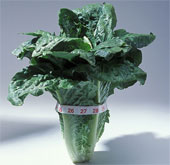
Scientists from the Department of Biology, Technion University (Israel) have successfully bred new drought-resistant varieties with the characteristics of low water cont…
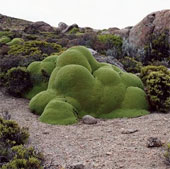
This tree is a relative of coriander, which looks almost mossy but is essentially a shrub growing in the Atacama desert.
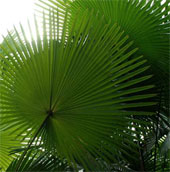
Malaysian scientists have identified an important gene for oil palm, called the Shell gene, that can increase palm oil production and reduce pressure on tropical forests.

Radiation exposure from the Chernobyl incident in 1986 left long-term sequelae on trees in the area, according to a new study.
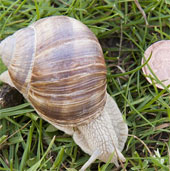
Unable to run can not hide, trees detect danger and fight enemies by 'eavesdrop' on predators.
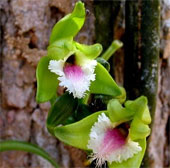
Vanilla orchids are a kind of vines of living plants. They are recognized as special plants in the orchid family that are capable of vanilla flavoring in nature.
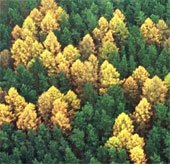
Decades after a swastika symbol typical of Nazi soldiers appeared in a forest in Germany, its origins are still a mystery without an answer.
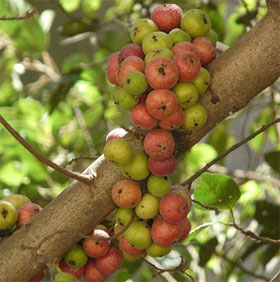
Most fruit trees that we know have fruits growing from the top of the branches. However, there are also a few species of exceptional plants with fruits growing from the…
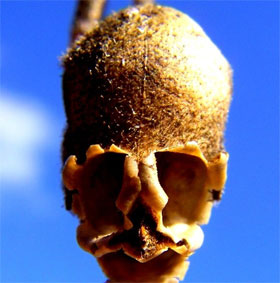
In life, there are oddly shaped plants, named after their shapes.
By traditional breeding methods, city scientists in Siberia and Russia created fast-growing plant varieties capable of decontaminating soil.