New technology
Smart paper
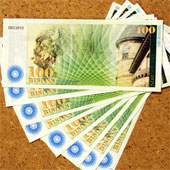
US researchers have found a way to embed radio frequency identification (RFID) tags into paper, promising a broad array of applications in everyday life.
Browse ScienceInfo articles and explainers related to University.
4,907 published items.
US researchers have found a way to embed radio frequency identification (RFID) tags into paper, promising a broad array of applications in everyday life.

Inspired by the eye of insects, US scientists have said they have made digital dome cameras, with unusually wide angles and sharp images.
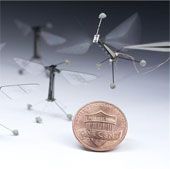
In the early morning, at a Harvard University robot lab last summer, an insect robot made a flight.
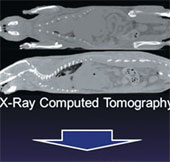
Researchers at the University of Notre Dame, Indiana have anesthetized a mouse, and use a CT scan to obtain a 3D digital model from mouse skeleton data.

The smart shirt has the ability to change the color and shape of the user's movement has been invented by Canadian scientists.

The device, when attached to the phone, will allow the camera to capture images commonly seen from fluorescence microscopes or flow cytometers, which are instrumental in…
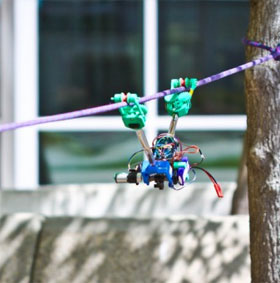
A wire-checking robot for under $ 1,000 has just been introduced at the Jacobs School of Engineering, University of California, San Diego.
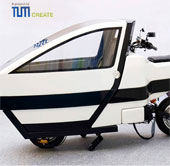
VOI has the same advantages as a 4 wheeler, which makes it safer for people in the rear and inside the cabin with a rigid rigid frame.
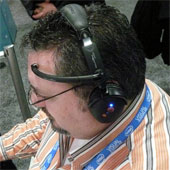
John Chuang, an associate professor at the School of Information Technology at the University of California, Berkeley, and colleagues have created a device that can iden…
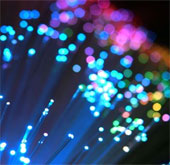
Researchers at the University of Southampton, UK have just created a new type of fiber optic cable that can transmit data at a rate of 99.7% of the speed of light.
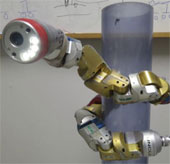
US scientists have invented a solid line of robots that can be thrown into any object and it will be tethered to it like a real snake.
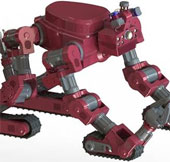
US researchers have released the latest version of the real-life robot: human-sized robots, walkable, climbing walls, and even transformed into subdued submarines.

Passed through virtual voice only, experts are now turning to the need to provide live expressive assistants.
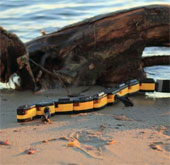
A team of experts from the Swiss Federal Polytechnical University of Lausanne has built one
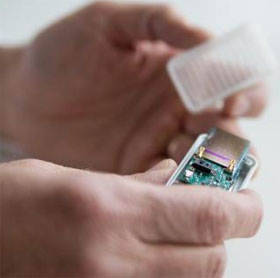
Dartmouth University's new device (USA) can immediately detect nicotine levels in the air that affect non-smokers.