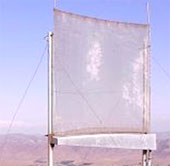
New technology
Make a drink from the fog
New technology to create drinking water from fog can meet the increasing water needs of people in dry areas.
Browse ScienceInfo articles and explainers related to Water.
6,450 published items.
New technology to create drinking water from fog can meet the increasing water needs of people in dry areas.
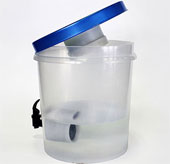
The current shortage of clean water is no longer a problem for one or several individual countries but has become a common phenomenon in almost every continent.
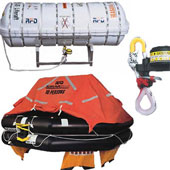
All ships operating on the sea must be approved annually by the registry of the rescue buoy system. Boats in our country also comply with these regulations.
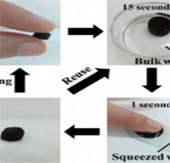
In an emergency, when there is no clean water, dirty water is a potential solution that can save lives.

Bottled water is a big business but the production consumes a lot of energy and creates waste that pollutes the environment.
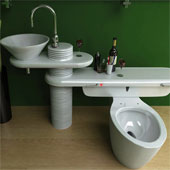
Jang Woo-Seok designed a toilet that uses excess water from the sink to flush out water, which saves considerable water.
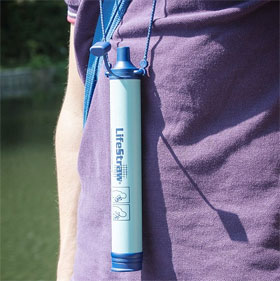
Based on the climatic needs of mountain climbers, a Danish company produces a smart straw that filters dirt into the mouth.
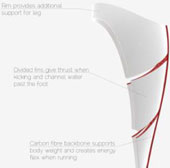
Artificial fish inspired by the fastest fish in the world can allow people to swim at the speed of '

A new environmentally friendly bus, with its roof turned into a mini garden, has begun rolling in Spanish streets to help clean up the atmosphere in the country.
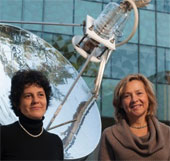
Last year, researchers at Rice University announced a method to evaporate water with particles that absorb sunlight.
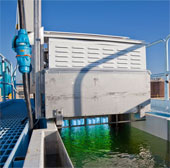
Perth, the capital of Western Australia, has been leading the way in delivering daily treated wastewater, with an estimated volume of about 20% of the total water supply…
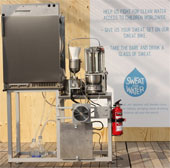
Scientists have developed the world's first potable drink machine, by extracting sweat on clothing and cleaning it.
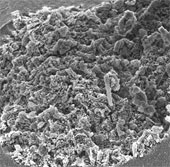
Recently, Swedish scientists have created a new material, an 'utopian' material that breaks the record of surface area and water absorption capacity.

New materials capable of repairing small cracks and holes are no longer far-fetched for construction science researchers.
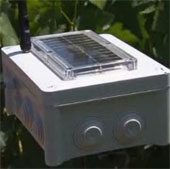
A team of 11 companies and research institutes in Europe has developed a device called Flow-Aid, which has potential for use in agriculture.