Space science
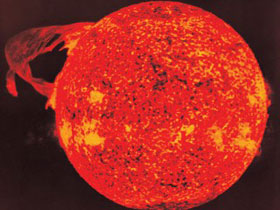
The terrifying silence of the Sun.
The Sun can sweep through the Earth with strong winds that interfere with communications, affect air traffic and destroy wiring even if it is in a static state for a 11-…
Browse ScienceInfo articles and explainers related to Wind.
1,171 published items.
The Sun can sweep through the Earth with strong winds that interfere with communications, affect air traffic and destroy wiring even if it is in a static state for a 11-…

A recent study shows that part of the atmosphere of the planet is losing by the solar wind.
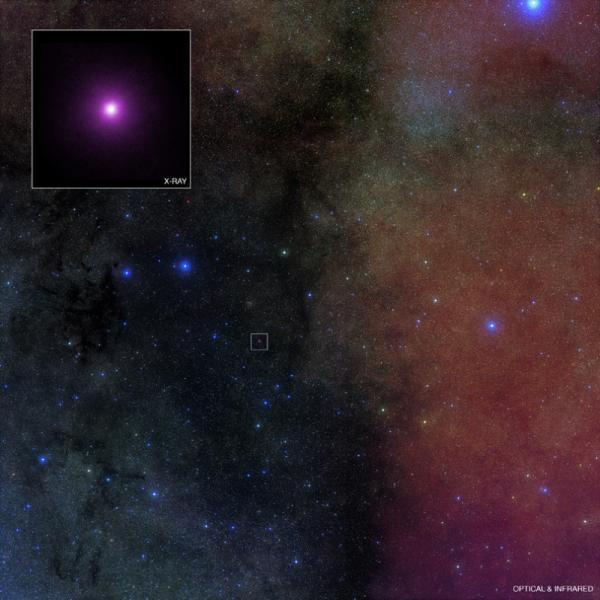
The new observation results from NASA's Chandra X-ray observatory have made a big step in explaining how a special black hole group can stop producing high-speed rays.

Themis satellite of NASA has discovered two major holes in the Earth's magnetic field.
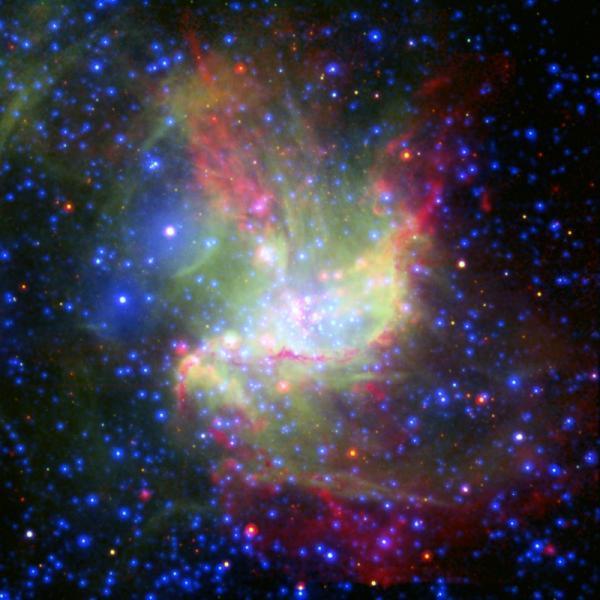
The terrestrial and space telescope combined to capture a picture provides a new perspective on the region's history with a great deal of NGC 346.

The US space agency (NASA) will put a satellite into space to understand the outer edge of the solar system.
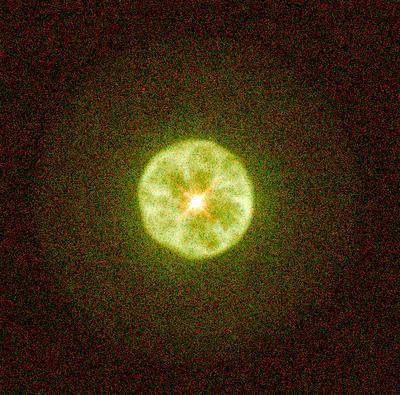
Stars are not large enough to carry out supernova explosions that end their lives by blowing most of their weight in a high wind.

One thing everyone knows is that wind is fast and strong on Venus. Currently, the ESA Venus Express probe for the first time builds a three-dimensional image of the wind…
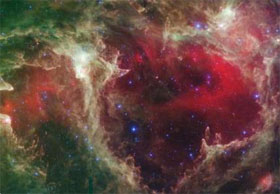
The new photo by NASA's Spitzer Space Telescope tells us the story of life and death in a family's rich history.
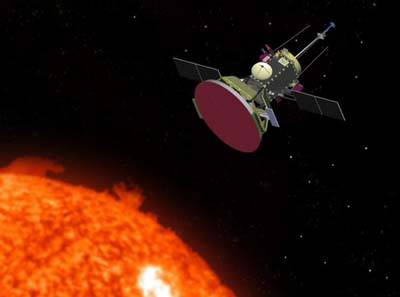
The John Hopkins University Applied Physics Laboratory (APL) plans to launch a spacecraft closer to the sun than any previous probe - and what it finds can revolutionize…
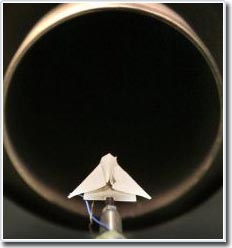
Japanese paper-folding scientists and experts hope to launch a paper plane from space, and learn about its journey back to earth.
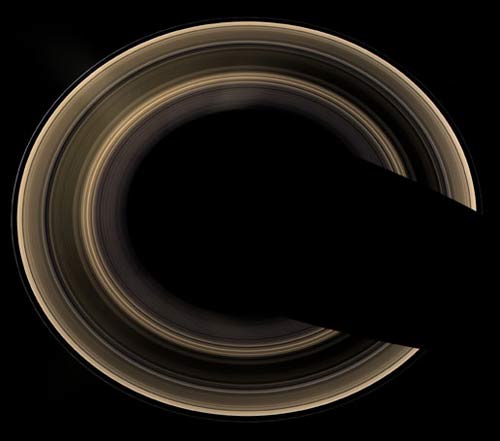
Scientists on May 8 said they believed that it was the storms themselves, not the other elements that controlled the whirlwind (up to 400 km / g) on Saturn. The basis…
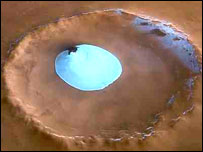
British scientists say that tiny smart devices, spread by the wind, can be helpful in studying other planets.
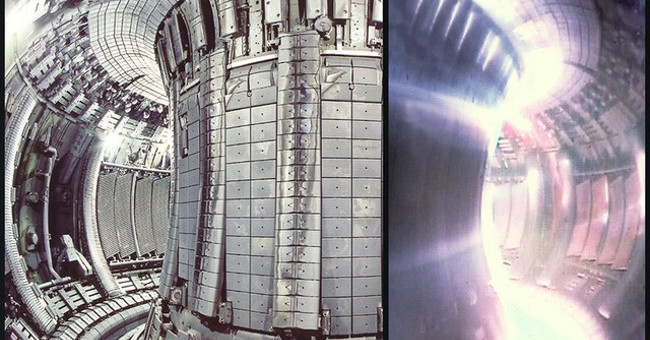
In 1994, scientists succeeded in producing a plasma of the highest temperature, up to 510 million degrees Celsius by the Tokamak Fusion reactor.
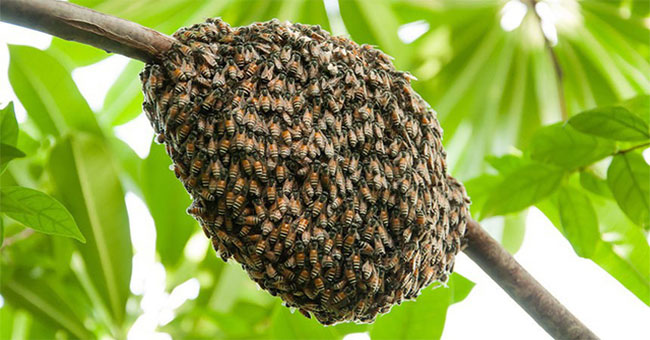
A strong wind cannot drop a cluster of honey bees, and now scientists are beginning to understand the reason.