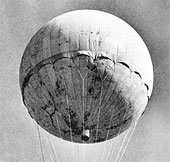
Science story
Japan used to build bombs flying across the ocean
During World War II, Japanese scientists used the power of the wind to build weapons capable of flying from Asia to the Americas.
Browse ScienceInfo articles and explainers related to Wind.
1,171 published items.
During World War II, Japanese scientists used the power of the wind to build weapons capable of flying from Asia to the Americas.
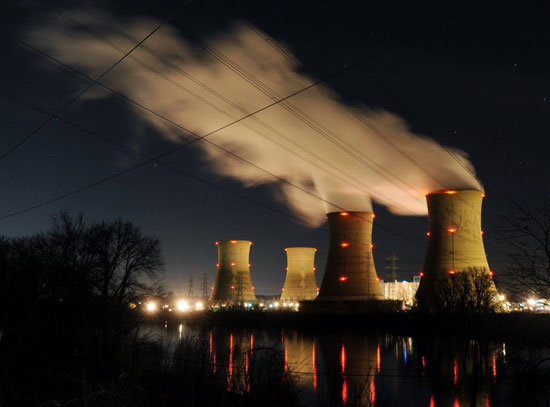
In the complex domestic economic and political context, with other unknown factors in the source of electricity itself is considered to be the end ...
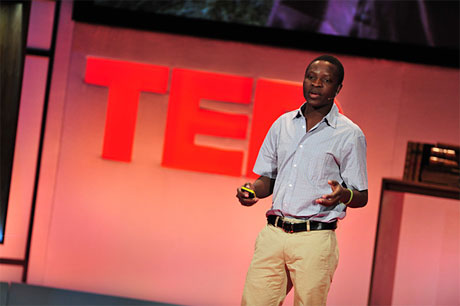
The 19-year-old William Kamkwamba farmer from Malawi surprised the scientists and designers at the TED Global High Tech Conference in Oxford (England).

Winning the wind in the common sense according to Vietnamese folk means being
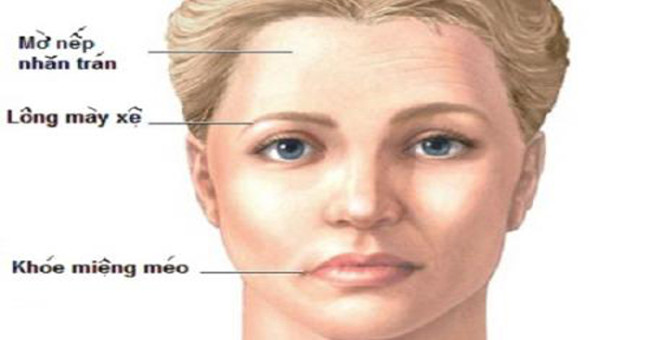
Cold weather easily causes vascular spasms running along nerve 7 to cause edema and inflammation, leading to the loss of the ability to send facial muscles.
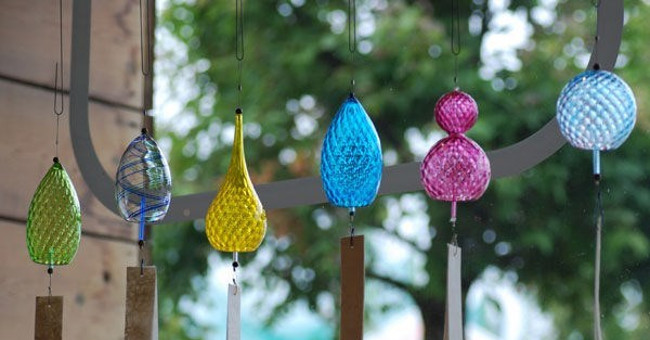
Parents who notice, setting wind chimes in the kitchen or dining area can encourage children to eat more green vegetables.
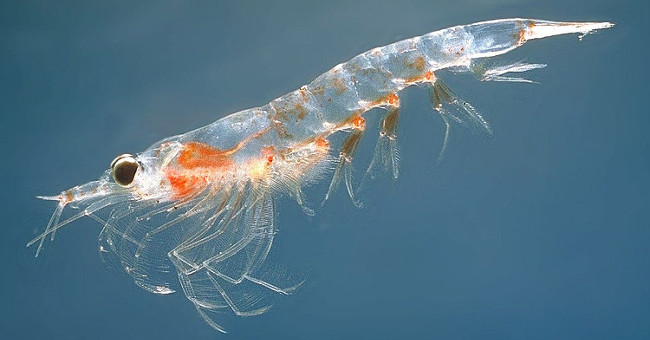
A group of American scientists are trying to understand the growth conditions of krill mollusks, a potential source of nutrition for humans in large numbers in Antarctic…
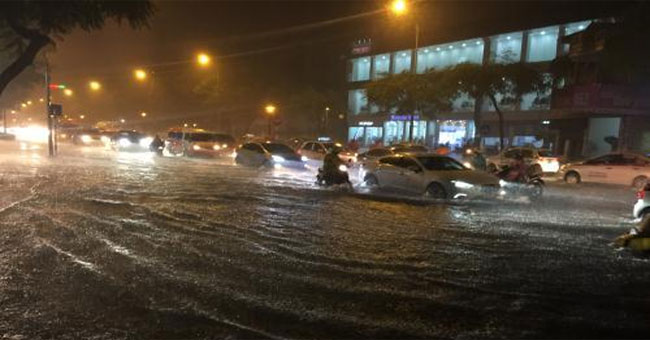
According to the Central Hydrometeorology Center, on June 20, Hanoi is cloudy, has rain, showers and places with thunderstorms. Gentle. During the thunderstorm, there is…
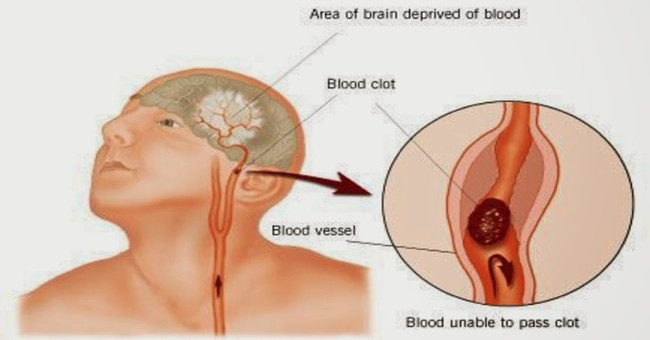
Suddenly dizziness, nausea, vomiting ... without movement disorders, language or paralysis, is often the expression of the wind than stroke.

Sleeping in a windy place, eating cold food, using a fan constantly makes your body tired and sick.
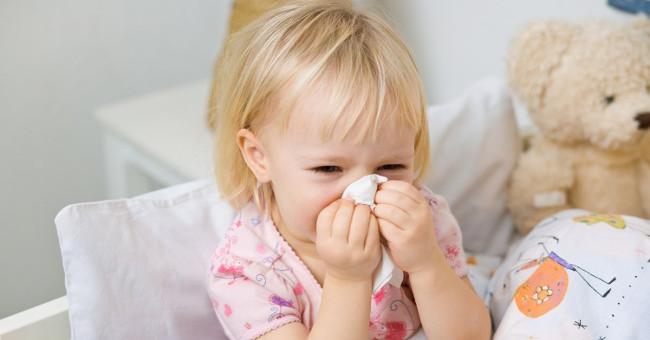
Nasopharyngitis, bronchiolitis ... is one of the most prone young diseases when the weather is in season, when cold air suddenly spills over.

Have you ever walked and heard the crunch in your ankles? According to Prevention, this sign may be worrisome but actually not dangerous.

People poured into age, sunshine and wind, causing rapid aging pollution but ignoring the underlying cause - the structure of the damaged skin.
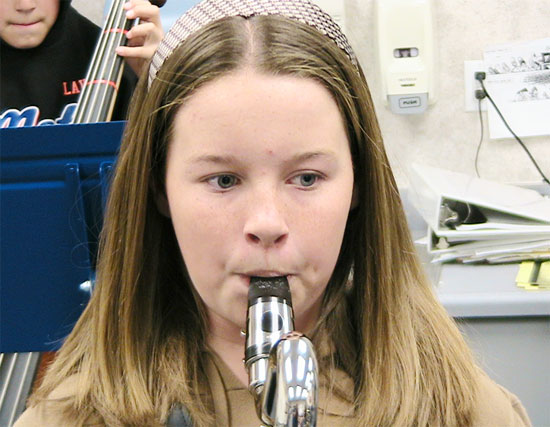
A new study shows that the use of wood-based wind instruments has increased the risk of infection with saliva-borne diseases, especially in schools.

American scientists said that the heavier the body weight, the higher the risk of wind damage.