
Animal world
The oldest parrot in the world turns 90 years old
The parrot Poncho was born in England, once filmed
Browse ScienceInfo articles and explainers related to Wing.
463 published items.
The parrot Poncho was born in England, once filmed
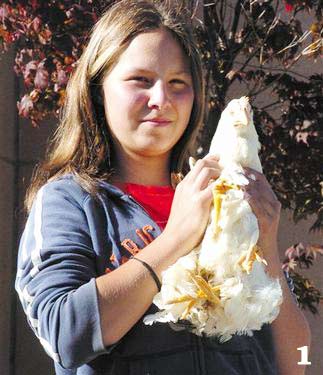
These real animals are different from the animals we often see, they show that creation brings strange things, adding new questions to the scientific community.
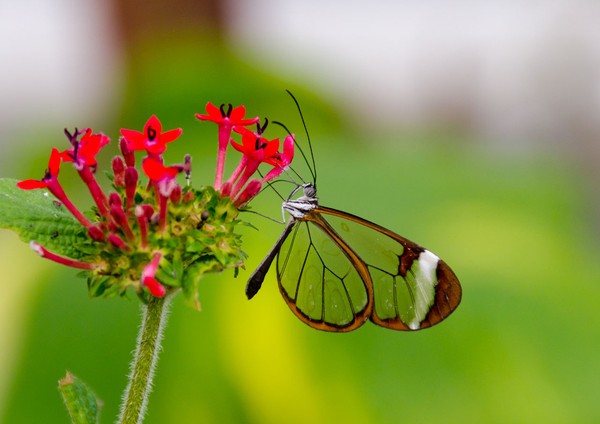
Scientists have found a solution to the invisible wings encountered in the Glasswing butterfly.
Butterflies use their feet to taste, can fly at speeds of up to 50km / h, caterpillars have no bones, but there are more than 1,000 muscles ... are interesting facts abo…
Today's technological advances have allowed us to delve into the migration of birds around the world.
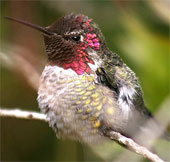
Hummingbirds are a small family of birds, with relatively large numbers of species, colorful feathers and nectar sucking.
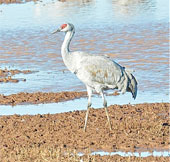
Gray Sanhill cranes live in freshwater areas, are omnivores, enjoy dancing and may be the oldest bird in the world.
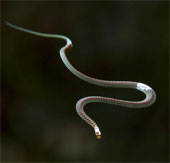
There are no wings but some snakes can still be launched from tree to tree at a distance of more than 30m.

Due to the mutation, these creatures have different shapes compared to their fellow species.
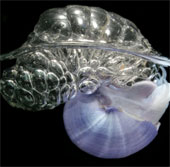
Self-glowing to threaten the enemy, shooting venom into prey, moving quickly or adapting to the living environment are strange possibilities of many snails.
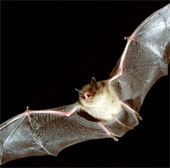
XROMM technology combines 3D images of bone morphology with X-ray film motion data to help create a vivid illustration of bone movement in 3D space.
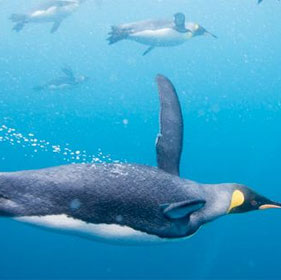
Researchers finally discovered why penguins can't fly. According to them, this is because the bird has evolved to swim and dive using its propelling wings.
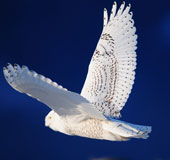
The ability of the owl to glide smoothly while hunting can help to research the production of less noisy passenger aircraft than today.
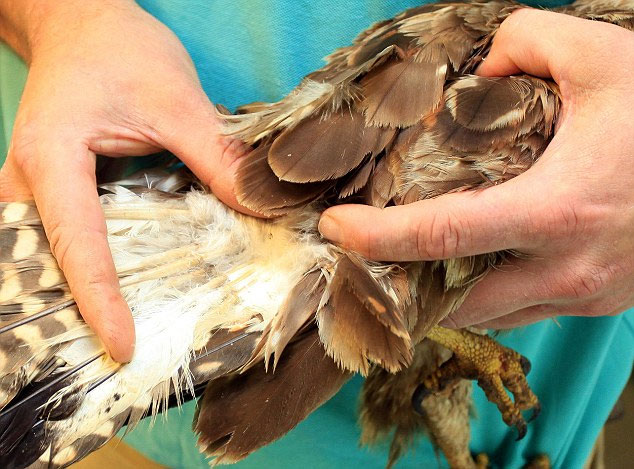
'It can cause confusion for some viewers because of their slightly unusual tail color, but this does not affect their ability to hunt and fly'. When found by RSPCA Royal…
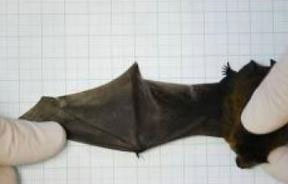
Not long ago, bat care workers at a center of the Royal Society for Animal Protection (RSPCA) discovered the bat's ability to self-wing if rested and cared for carefully…