Discover science
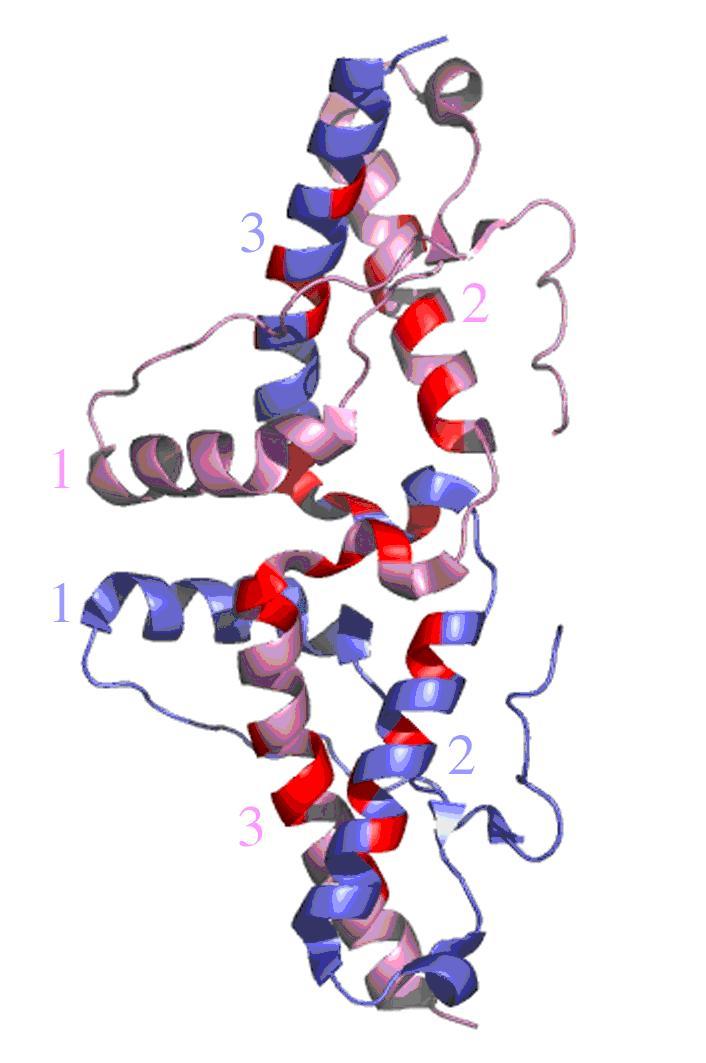
Prospective drug treatment caused by the wrong twisting process of protein
The discovery by scientists at Scripps Research Institute has yielded a prospect of a new drug to treat people suffering from the wrong twisting of proteins.
Browse ScienceInfo articles and explainers related to Yield.
115 published items.
The discovery by scientists at Scripps Research Institute has yielded a prospect of a new drug to treat people suffering from the wrong twisting of proteins.
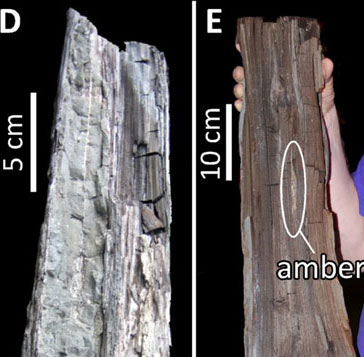
The diamond hunt in the far north of Canada has yielded surprising results: a coniferous wood in a volcanic rock for over 50 million years.

A newly published study shows that the elite of 10,000 years ago were

NASA's twin astronaut studies yield remarkable results, National Geographic reported on March 15.

Over the past 50 years, some studies of the journey to explore Mars have yielded unexpected results but there are still things that remain unknown.

After a period of operation, this nuclear spectrophotometer has recently yielded a surprising result. It not only found a black hole, but 10 black holes in the center of…

A group of scientists used the CRISPR / Cas9 gene modification technology to produce rice varieties with 25-31% higher yields.
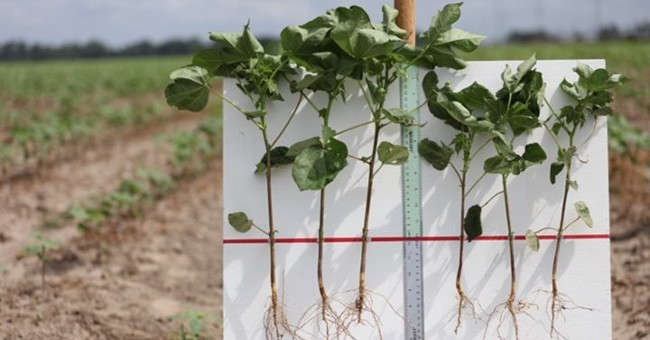
According to Technology Review, the new method of treating cotton seeds has affected beneficial internal bacteria to improve the drought tolerance of cotton.
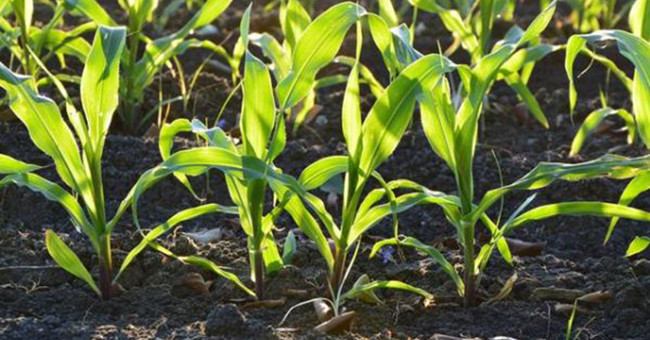
The scientists explained that the increase in crop production is due to silicate rock that helps protect plants against pests and diseases, while improving the structure…
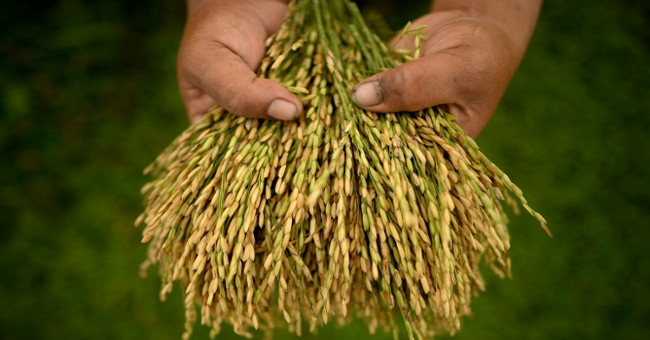
Australian scientists have recently discovered that some plants have 10 times the rate of leaf transformation compared to other plants.

This type of rice is not grown in traditional fields irrigated with fresh water but on a beach on the Yellow Sea coast in Qingdao, Shandong Province.
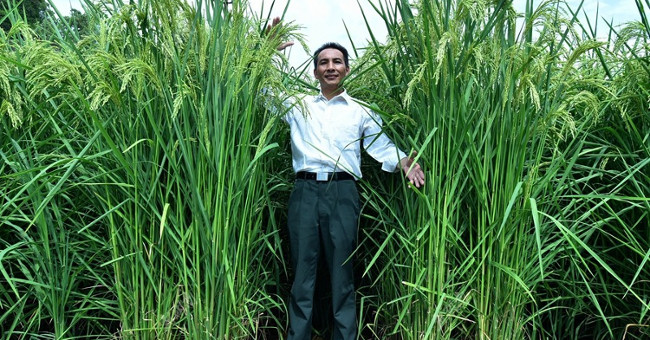
The new rice variety was officially introduced on October 16 after 10 studies, with a yield of 50% higher than conventional rice varieties.
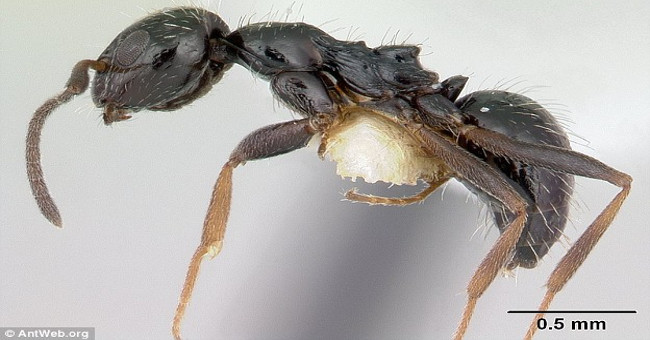
A survey of biodiversity carried out in a forested area of Ethiopia has yielded unexpected results, which may result in a new insect order around the world.
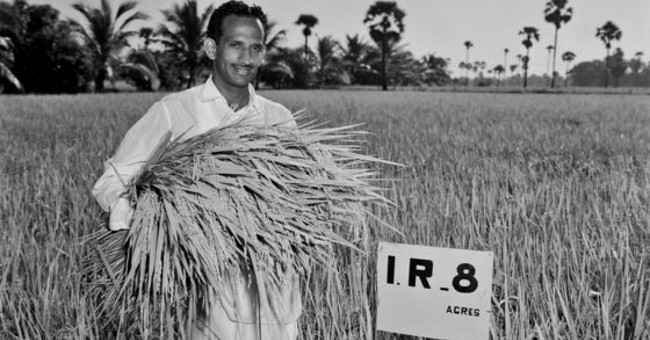
The first rice variety planted by an Indian farmer in 1967 yielded up to 10 tons per hectare as a miracle for saving millions of lives.
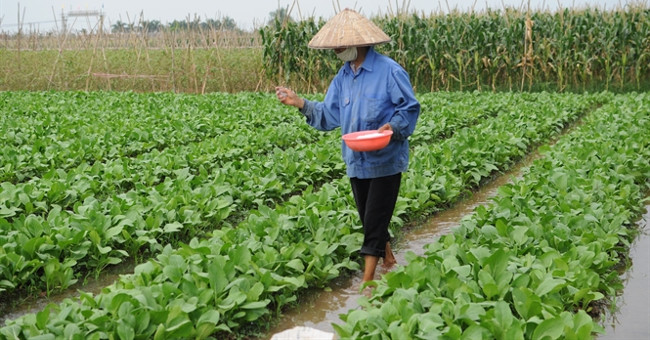
Using too much fertilizer, especially nitrogen fertilizer in cultivation leads to excessive nitrate (NO3) and dangerous to consumers' health, scientists warn.