New technology
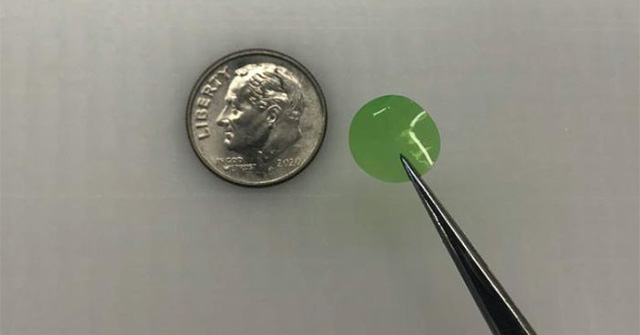
'Luminous' membrane sensor technology can measure blood oxygen
Newly developed luminescent sensor technology implanted under the skin does this, and promises to be used to easily measure other levels of substances in the blood.
Explore technology news, emerging innovations, digital tools, robotics, energy breakthroughs and practical tech developments shaping everyday life.
15,738 published items in this category and its subcategories.
Newly developed luminescent sensor technology implanted under the skin does this, and promises to be used to easily measure other levels of substances in the blood.

Scientists at the University of Maryland (USA) invented a wooden knife and claimed it was sharper than steel. However, many people remain skeptical.
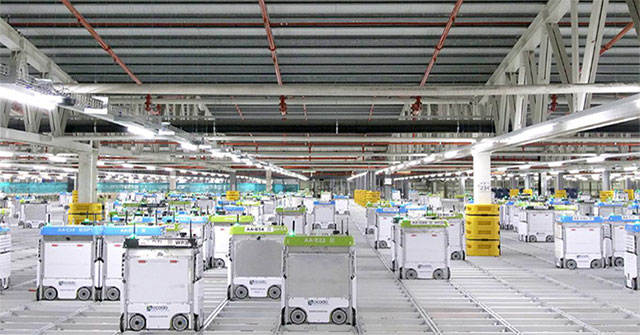
A team of 'workers' of 2,000 robots can take turns working continuously in a large warehouse, optimizing time for sorting and packing goods.
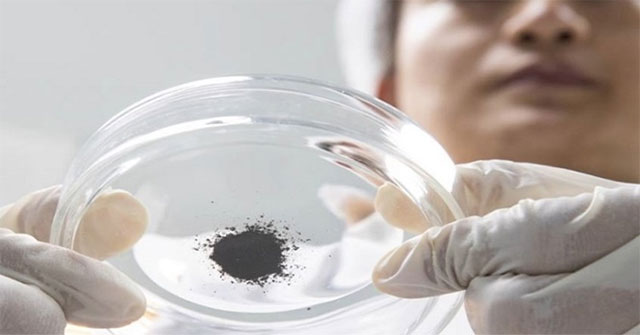
The 5 kg mobile device uses lunar soil, water and solar energy to convert carbon dioxide (CO2) into oxygen and fuel.
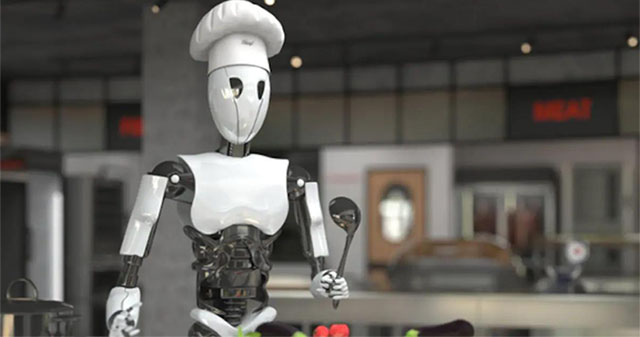
Scientists have successfully built a robot that can taste food just like humans.
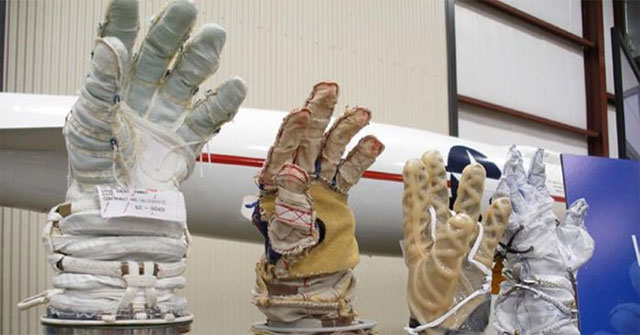
Microsoft and Hewlett Packard Enterprise (HSE) are working with NASA scientists to develop an AI system to test astronauts' gloves.
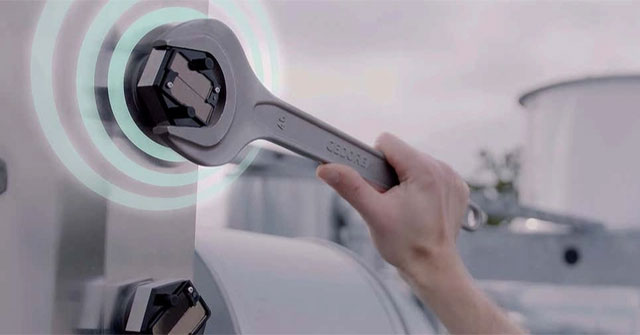
Large constructions are safer with the presence of smart fasteners.

Startup company iSpace2o has begun production of the hull of a high-speed hydrofoil that can dive deep underwater, called Deepseaker DS1.
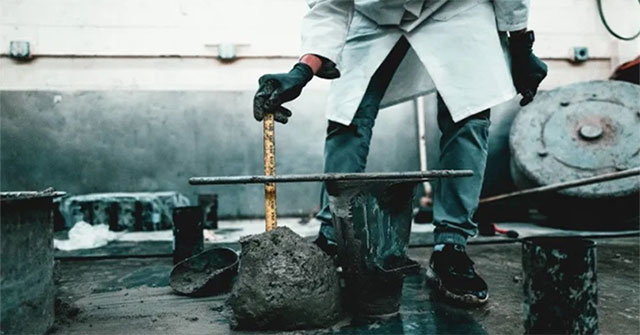
Meta's artificial intelligence (AI) research team has found a new concrete mixing formula that is harder and more environmentally friendly.
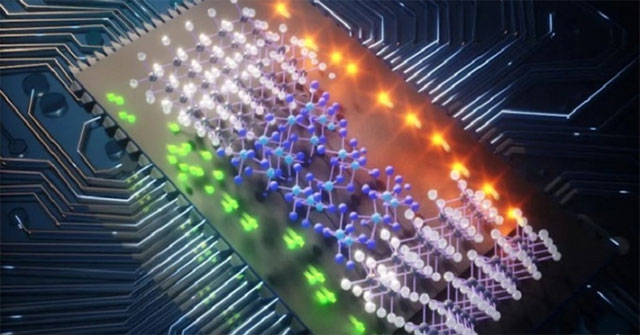
A team from TU Delft University has developed a superconducting material that allows computers to run hundreds of times faster than today.
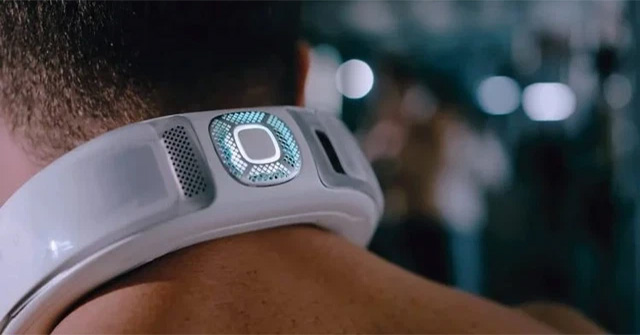
The Metaura Pro is claimed to be the world's first neck-worn air conditioner capable of continuously blowing cold air to keep the wearer cool.

The robot has a strange design, although it is only 30 cm long, but can jump 100 times its own height.
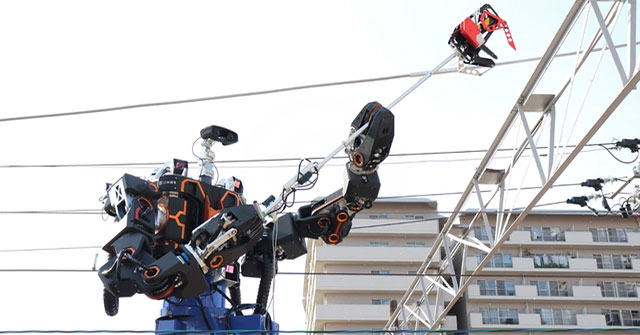
In the field of robot manufacturing, Japan has always been a force that many other countries have to respect. And recently, they continue to prove this, when the railway…
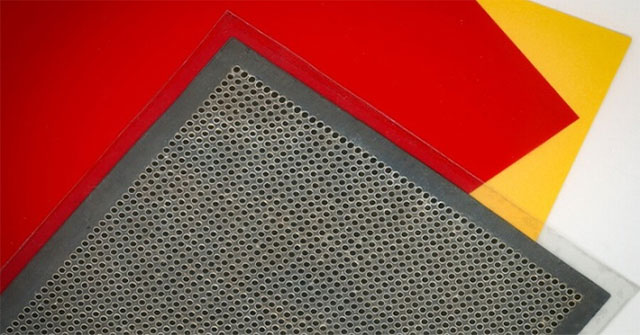
Engineers at the Massachusetts Institute of Technology (MIT) have developed a paper-thin speaker that can turn any surface into a sound source.
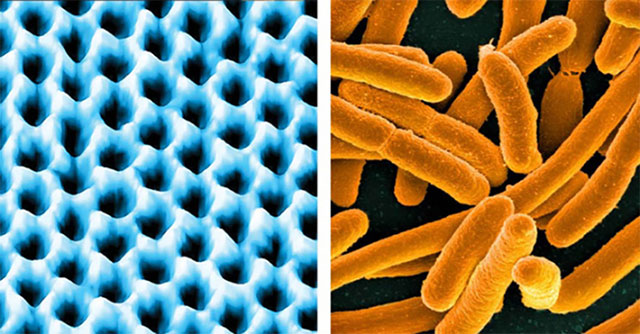
Ultra-sensitive hearing devices could be the key to doctors facing the growing crisis of antibiotic-resistant bacteria.