New technology
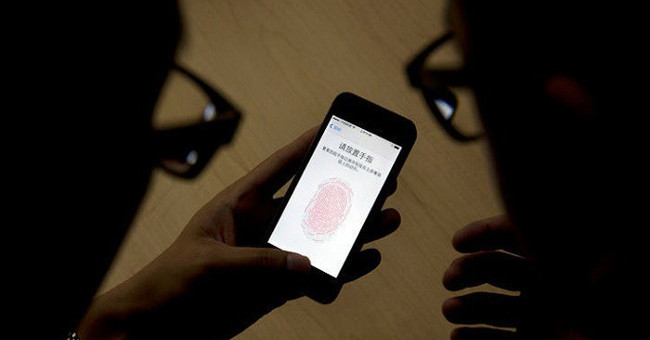
Scientists are studying how to unlock phones with brain waves
According to Android Authority, a group of scientists are studying the use of brain waves
Explore technology news, emerging innovations, digital tools, robotics, energy breakthroughs and practical tech developments shaping everyday life.
15,738 published items in this category and its subcategories.
According to Android Authority, a group of scientists are studying the use of brain waves

For many people, it can be said that the era of sex robots (or sexbot) in the industry

The Sharp Sword UAV is China's unmanned stealth fighter, the name that won second place in the National Science and Technology Progress Award.

The sturdy three-bedroom bungalow is the first of the world's first five houses built by 3D concrete printing technology and will be completed in 2019.
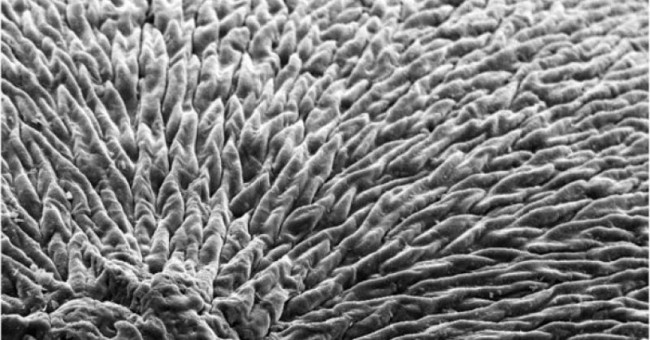
Enamel is the hardest bone tissue, difficult to be affected in the body, allowing teeth to work and withstand continuous pressure from chewing, biting ...
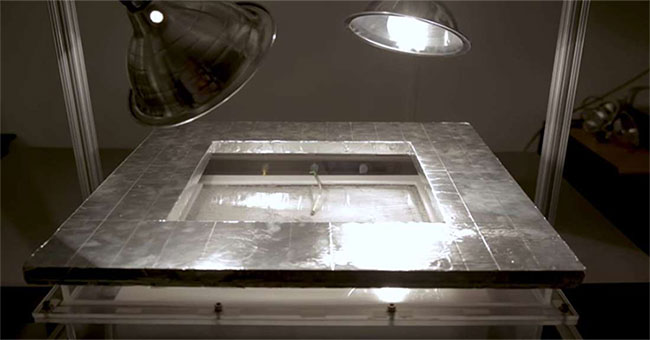
The research team at the University of California developed a device that absorbs water at night and supplies water during the day.
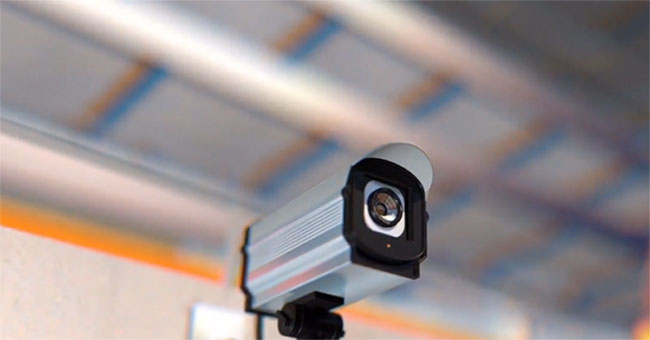
The referee's video support technology (VAR) will help the matches at the 2018 World Cup more fair and transparent, limiting the referee's mistakes.

Disney introduced a robot model with a structure consisting of three main parts that can perform some impressive fitness movements.
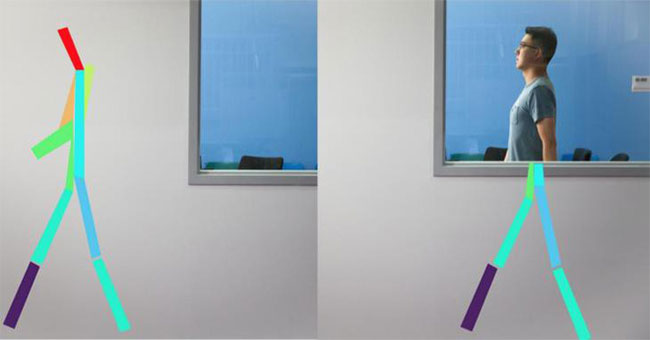
This technology uses radio waves to sense your position, then recreates your body image in the form of simple human dolls called RF-Pose.
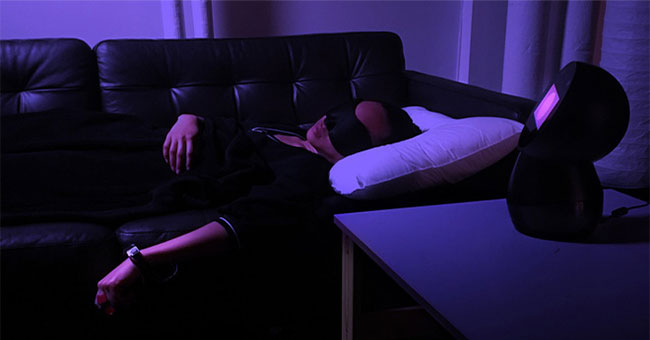
Every night, to go from alertness to sleep, you must cross a wild border of a semi-conscious state: Hypnagogia.
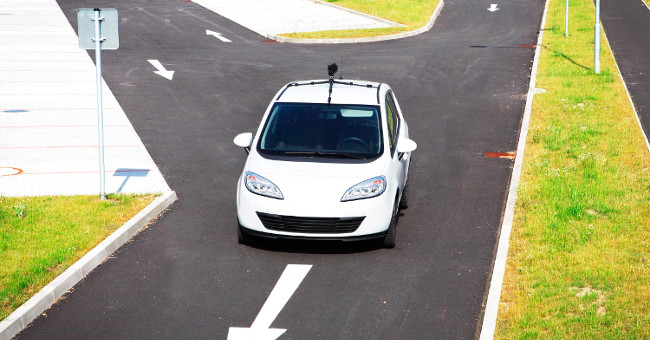
According to Futurism, today, most autonomous (AV) vehicles rely on detailed 3D maps for road navigation.

China has built an early earthquake warning system in Chengdu, the capital of Sichuan Province, Southwest China.
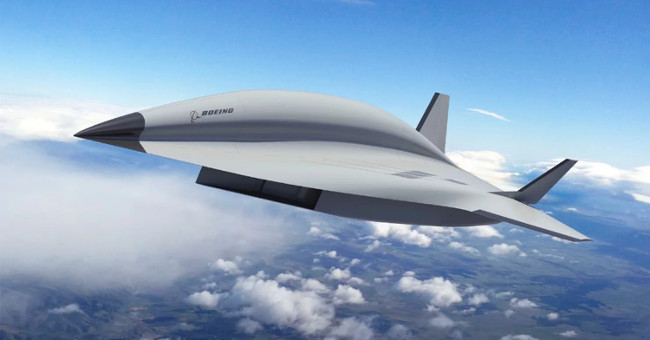
Although the project has not officially been 'greened', Boeing is said to be ambitious to create a supersonic plane that can fly around the world in about 1-3 hours.

Researchers at the University of Buffalo, New York have produced a new, inexpensive, chemical-sensitive chip that can be used to detect cocaine.
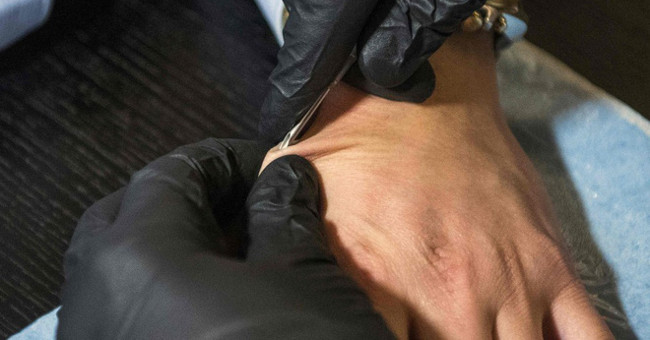
Microchip implants were first performed in Sweden in 2015. And since then the people of this country have become more and more familiar and excited about this technology.