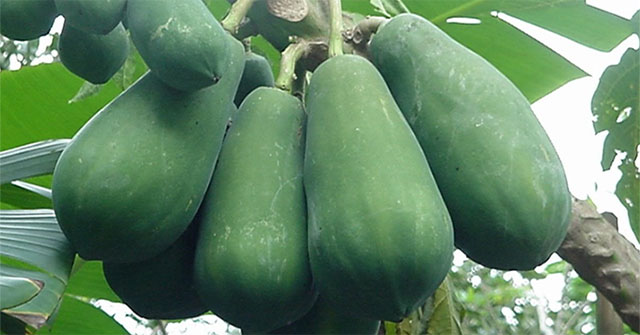
If we knew the benefits of green beans earlier, perhaps many people would add them to their daily menu.
The amazing benefits that green beans bring to human health
Mung beans originated in India and spread to China and other parts of Southeast Asia. They can be prepared in a variety of ways, and can be eaten raw or sprouted.
According to information from Healthline, green beans contain many healthy antioxidants, including phenolic acids, flavonoids, caffeic acid, cinnamic acid,.
Antioxidants help neutralize potentially harmful molecules called free radicals . When too many free radicals accumulate in the body, they cause cell damage. This can lead to chronic inflammation and contribute to diseases such as heart disease, cancer, and many others.
A study published in the journal Plant Foods for Human Nutrition in 2012 found that antioxidants from mung beans can neutralize the harmful effects of free radicals linked to the development of lung and stomach cancers.
Another study published in the journal Food Science and Human Wellness in 2018 found that bean sprouts (sprouted mung beans) have six times more antioxidants than mung beans.
No matter what form, the benefits of green beans are not diminished.
1. Provides many essential amino acids that the body cannot produce on its own
Green beans are the best source of vegetable protein for the body. They are rich in essential amino acids that the body cannot produce itself such as: Phenylalanine, leucine, isoleucine, valine, lysine, arginine.
Sprouted mung beans contain fewer calories, more free amino acids and antioxidants than whole beans.
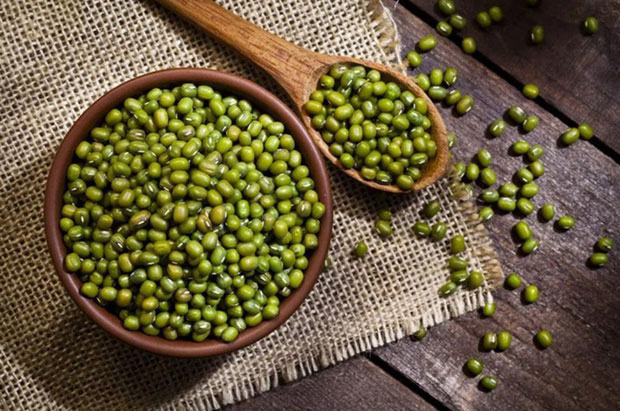
Green beans are the best source of vegetable protein for the body.
Additionally, sprouted mung beans contain fewer calories and more free amino acids and antioxidants than raw beans.
2. Reduce the risk of chronic diseases
Green beans are rich in healthy antioxidants such as phenolic acids, flavonoids, caffeic acid, cinnamic acid, which help neutralize potentially harmful molecules (also known as free radicals).
Most free radicals are associated with the formation of cancer cells, heart disease, and chronic inflammation. Antioxidants in mung beans can neutralize free radicals, thereby reducing the risk of chronic diseases.
3. Prevent heat stroke
In many Asian countries, mung bean tea is often consumed on hot summer days. Medically, mung beans have anti-inflammatory properties, helping to fight heatstroke or dehydration.
Furthermore, mung beans contain antioxidants such as vitexin and isovitexin, which can protect the body against free radicals formed during heatstroke.
4. Lower blood pressure
High blood pressure is one of the leading causes of death in the world. It causes a series of serious health problems such as cardiovascular diseases. However, green beans contain a lot of potassium, magnesium, fiber, these nutrients help lower blood pressure significantly.
5. Supports digestive health
Green beans contain a type of soluble fiber called pectin, which can help speed up the movement of food through the intestines, promoting more effective intestinal motility. In addition, it also contains resistant starch, which helps nourish beneficial bacteria in the intestines, especially reducing the risk of colon cancer.
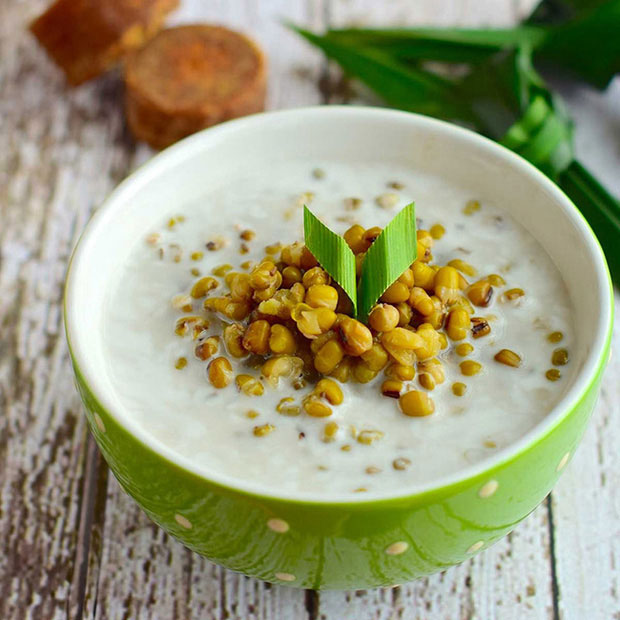
Eating green beans helps reduce the risk of colon cancer.
What's more, the carbs in mung beans seem to be more easily digested than those in other beans, so they're less likely to cause bloating.
6. Reduce blood sugar levels
When blood sugar levels increase, it will cause diabetes and many other chronic diseases. Meanwhile, green beans contain a lot of fiber and protein, which helps slow down the release of sugar into the blood. In particular, the antioxidants in green beans are beneficial in reducing blood sugar levels and helping insulin work more effectively.
7. Helps pregnant women to be healthier
Women should eat plenty of folate-rich foods like green beans during pregnancy. Because folate is essential for optimal fetal growth and development, folate deficiency can even lead to the risk of birth defects.
Pregnant women should avoid eating raw bean sprouts because they can carry many harmful bacteria.
8. Weight loss
Dietary sources of fiber and protein are important for weight loss. Luckily, green beans are rich in both of these nutrients. Many studies have shown that fiber and protein stimulate the release of hormones that make the body feel full and inhibit hunger hormones such as ghrelin.
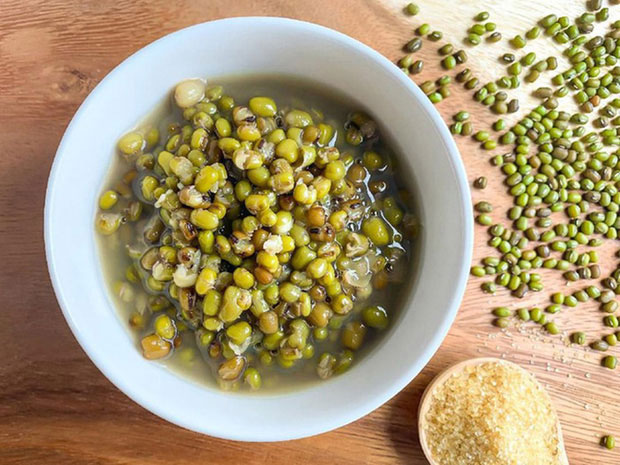
Green beans are rich in fiber and protein which are important for weight loss.
Once you control your appetite, your calorie intake will definitely decrease and you will naturally lose weight.
9. Eliminate bad blood fat
High cholesterol, especially LDL, the 'bad' cholesterol , can increase your risk of heart disease. A Healthline article points to a number of studies that show mung beans can lower LDL cholesterol. For example, animal studies have shown that the antioxidants in mung beans can lower blood LDL cholesterol and prevent this type of cholesterol from interacting with free radicals.
A review of 26 studies found that eating 1 serving (about 130 grams) of legumes per day, such as green beans, can significantly reduce blood LDL cholesterol levels.
Another analysis of 10 studies found that diets high in legumes (excluding soy) can reduce blood LDL cholesterol levels by 5%.