Papaya can be considered a "miracle cure," because many parts of the papaya tree are not only used as food but also as medicine to treat many diseases.
Things to know when eating papaya
- Harmful effects of unripe papaya
- Harmful effects of ripe papaya
- Reduced fertility
- Stomach disorders
- Stomachache
- Skin problems
- Having an allergy
- People who should absolutely avoid papaya.
- People with respiratory problems
- 2 People with kidney stones
- People with jaundice
- People with allergies
- Things to note when eating papaya
100g of ripe papaya contains 74-80 mg of vitamin C and 500-1250 IU of carotenoids. Papaya also contains vitamins B1, B2, fermenting acids, and minerals such as potassium, calcium, magnesium, iron, and zinc.
Eating papaya regularly can help replenish blood, aid liver recovery in malaria sufferers, provide antioxidant benefits, and boost the body's immunity. However, both ripe and unripe papayas can have certain negative effects on health if consumed in large quantities.
Harmful effects of unripe papaya
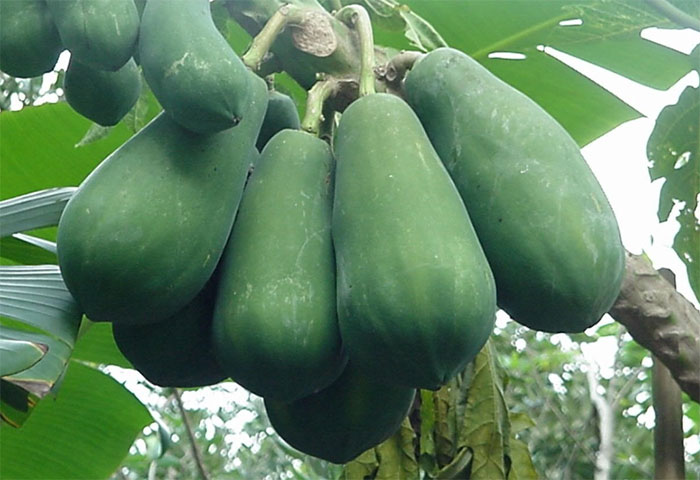
Green papaya is commonly used in many dishes.
Unripe papaya is commonly used in dishes like pork knuckle soup and pickled vegetables, but did you know that this fruit also harbors many unexpected harmful effects if consumed incorrectly? Below are some of the harmful effects of unripe papaya:
- Green papaya seeds contain the toxic substance capine, which is harmful to health.
- Eating too much unripe papaya can cause kidney stones because of its high vitamin C content.
- Consuming large quantities of unripe papaya can cause stomach upset, due to its high fiber and latex content.
- Eating a lot of unripe papaya when you have a weak stomach or diarrhea can lead to dehydration.
- Allergic reaction to green papaya sap if it comes into contact with the skin.
- Unripe papaya can increase the risk of uterine contractions because it contains sap. The sap of unripe papaya can affect the fetus, leading to miscarriage or premature birth, birth defects, or even stillbirth.
Harmful effects of ripe papaya
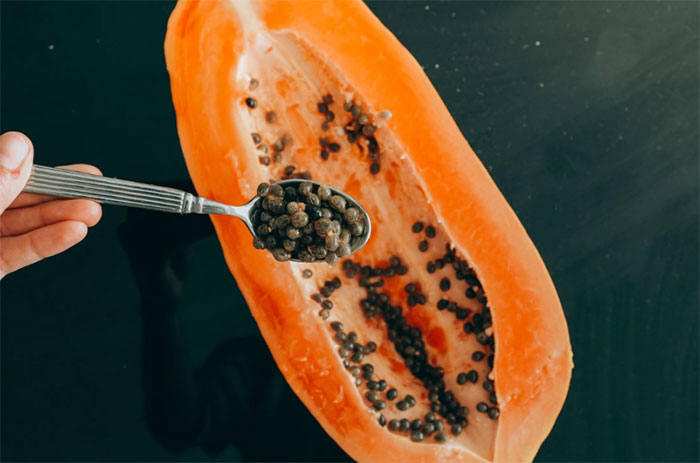
Ripe papaya.
Just like with unripe papaya, eating too much ripe papaya can also lead to some unwanted side effects, including:
Reduced fertility
Ripe papaya contains substances that can reduce sperm count in men. Therefore, if you are planning to have children, you should avoid eating too much ripe papaya.
Stomach disorders
Because it contains a lot of fiber, eating too much ripe papaya can cause symptoms such as stomach pain, nausea, bloating, and abdominal distension.
Stomachache
The papain enzyme in ripe papaya can soothe your stomach, but it can also trigger pain if you eat papaya in large quantities.
Skin problems
Papaya contains beta-carotene, a nutrient that provides the body with vitamin A. However, an excess of beta-carotene can cause your skin to become pale.
Having an allergy
If you have respiratory disorders such as asthma or any of the symptoms, be cautious when eating papaya. Papaya allergies can cause symptoms such as: swelling of the mouth, itching around the face and throat, rash on the tongue, dizziness, headache, difficulty breathing, difficulty swallowing.
People who should absolutely avoid papaya.
Despite its many benefits, papaya can be a nemesis for the following group of people, seriously affecting their health.
People with respiratory problems
Papaya contains the enzyme papain, a potent allergen that can worsen respiratory disorders. People with conditions such as hay fever or asthma are advised to avoid this fruit.
2 People with kidney stones
Papaya contains vitamin C, which plays an important role in maintaining the body's immune system. However, eating too much papaya can lead to an excess of vitamin C and may contribute to kidney stone formation.
While ripe papaya is considered safe and nutritious, unripe papaya can increase the risk of uterine contractions due to its sap. If pregnant women consume the sap of unripe papaya, the fetus may be affected, leading to miscarriage or premature birth, birth defects, or even stillbirth.
People with jaundice
Not only ripe papaya, but also pumpkin, carrots, mangoes, etc., are foods rich in beta-carotene. Many people who eat a lot of these foods experience yellowing of the palms, soles, backs of the hands, and backs of the feet due to the accumulation of beta-carotene. To improve this symptom, you should stop eating them for a while. If the condition does not improve, you should see a specialist to find the cause.
People with allergies
If you have respiratory disorders such as asthma, or any allergies, be careful when eating papaya. Sometimes pollen can stick to the papaya peel, so be sure to wear gloves when peeling it. Dispose of the peel and gloves in the trash immediately after peeling. You should also cover your mouth and nose with a tissue to avoid an allergic reaction. Papaya allergies often have the following symptoms: swelling of the mouth, itching around the face and throat, rash on the tongue, dizziness, headache, abdominal pain, difficulty breathing, and difficulty swallowing.
Things to note when eating papaya
Experts say that fermented papaya may lower blood sugar levels in people with type 2 diabetes. Diabetes medication is also used to lower blood sugar.
Therefore, consuming fermented papaya along with diabetes medication may cause your blood sugar levels to drop too low.
Additionally, people who are taking medication to slow blood clotting should be cautious when eating papaya, as it may increase the effects of the medication, thereby increasing the likelihood of bruising and bleeding.
You should only eat about 500-700g of papaya per day. Ripe papaya contains more sugar and therefore more calories than green papaya, so you should balance your diet when incorporating papaya into your meals.
Papaya is a nutritious food that is not very acidic, so it can be eaten on an empty stomach without worrying about harming the stomach. However, if you are on a diet, you should not eat it during main meals; it is best to eat papaya at lunchtime, and remember not to eat the papaya seeds.
In short, both green and ripe papayas are good for your health if you eat them correctly and for the right people . Hopefully, with the above information, you will know how to moderate the amount of papaya you eat each day, and limit papaya consumption when you have health problems to avoid the harmful effects of green and ripe papayas.
- Techniques for growing papaya trees that bear fruit year-round and are resistant to pests and diseases.
- The medicinal uses of papaya
- Interesting discovery in Finland: Everyone exchanges bottles for money.