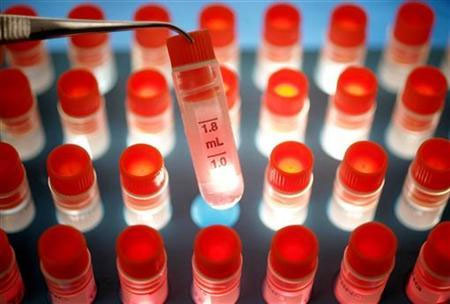
New gene therapy discovered to reduce fat and gain muscle
The new gene therapy will have to go through many more stages before it is officially tested in humans.
Explore how gene therapies aim to treat disease by adding, replacing or editing genetic material, including delivery methods and clinical research.
Begin with clear explanations of the key ideas, discoveries and questions in this subject.
The new gene therapy will have to go through many more stages before it is officially tested in humans.
Stanford University neuroscientists have created a gene capable of strengthening memory and the ability of animals to learn while undergoing stress.
A group of French researchers succeeded in giving light to dogs suffering from congenital blindness of Leber, a genetic disease that causes retinal d…
Technology that will help protect children often reacts negatively to antiviral therapy not infected by HIV-infected mothers.
This is the first time that successful researchers have replaced damaged retinal cells, giving hope that someday in the near future can be applied to…
Researchers at the University of California (UCLA) in the US have published a study that said a gene therapy using stem cells of hematopoietic patien…
Read recent ScienceInfo stories and explainers about Gene Therapy.
According to a reporter in New Delhi, India on April 4 launched the first indigenous CAR-T cell therapy to treat cancer.
Stem cells are cells with superpowers that can turn into any other cell in the body. This is the same type of cell that some animals use to regrow their lost limbs.
A single part may contain more than one type of adult stem cell - exploring complicating the prospect of using stem cells to replace damaged tissue to cure diseases, acc…
Blindness can be cured by using gene therapy to reprogram cells in the retina to make these cells possible.
In a recent study, scientists at Oregon State University (OSU) studied proteins called otoferlin located in the inner ear cochlea.
Kymriah therapy (old name CTL019) is also known as
Scientists at Methodist Reseach Research Institute in Houston (USA) claim to have reversed many signs of aging in cells from children with premature aging (progeria).
This research helps open up the hope of treating this autoimmune disease, which affects millions of children and young people around the world.
Continue with more articles, discoveries and explanations from this subject.
The implantation of a pacemaker into the body is a complicated, expensive and risky surgery, dangerous complication.
New trials of gene therapy for Parkinson's disease have shown encouraging results, giving hope to millions of people with this paralysis syndrome worldwide.
The British Journal of Natural Medicine released Feb. 4, scientists at Rosalind Franklin University of Medicine and Science in the United States have recovered some of t…
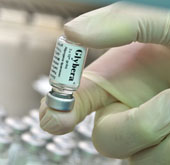
In a statement released on November 5, Dutch biotech company uniQure said it would start selling the first human gene therapy called Glybera in the European market next…
British scientists believe that the gene therapy they just developed may open up hope to cure the agonist syndrome - Parkinson's disease, which is affecting 4.1 million…
US and French scientists on September 15 said that patients with rare genes of anemia may have hoped to escape the disease without needing blood transfusion thanks to ge…
Research results of scientists from the University of Pennsylvania, USA, showed that gene therapy can become a new weapon in the treatment of HIV / AIDS century disease.
The above gene variant is related to cell development, opening new prospects for cancer treatment.
US researchers said a year ago, three blind people in their 20s volunteered to treat with gene therapy. Now, their eyesight has improved significantly, even a sick perso…
The human body has 20,488 genes. Each cell contains all of these genes, but only certain genes work according to certain functions called active genes and functional gen…
A group of American researchers successfully treated melanoma skin cancer by modifying the genes of white blood cells to attack the cancer.
The US Drug Administration approved a second gene therapy to treat blood cancer. This is considered a new step in the study of treatment of dangerous diseases.