The part of Swift-Tuttle's comet tail as it passes through the Earth collides with the atmosphere, forming bright meteor streaks in the meteor shower called Perseids.
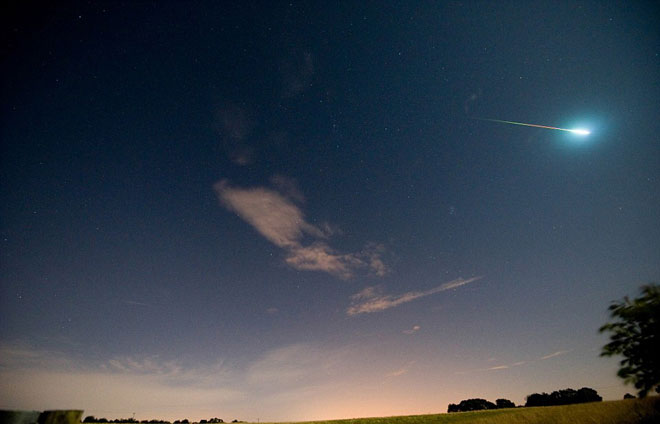
The Perseids meteor shower originated from the comet Swift-Tuttle when passing through Earth, its tail colliding with the atmosphere forming meteor streaks.(Photo: GEOFF Robin Photography)
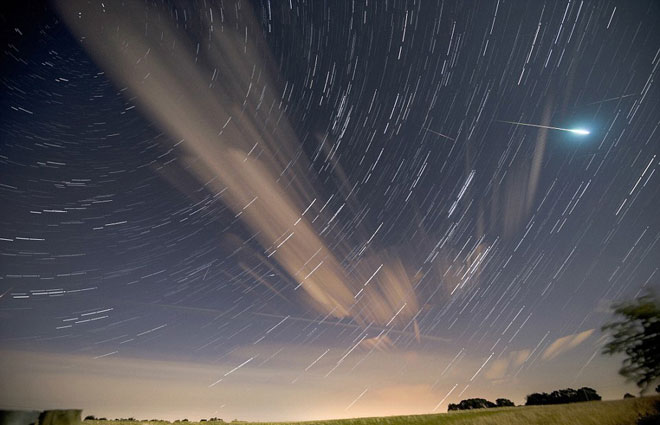
The meteor shower is seen from the village of Grafham, England's Cambridgeshire county.Photos were taken in the morning of August 13.Rain of ice Perseids often appear in August every year.This year's meteor shower peaked on August 12 and 13.(Photo: GEOFF Robin Photography)
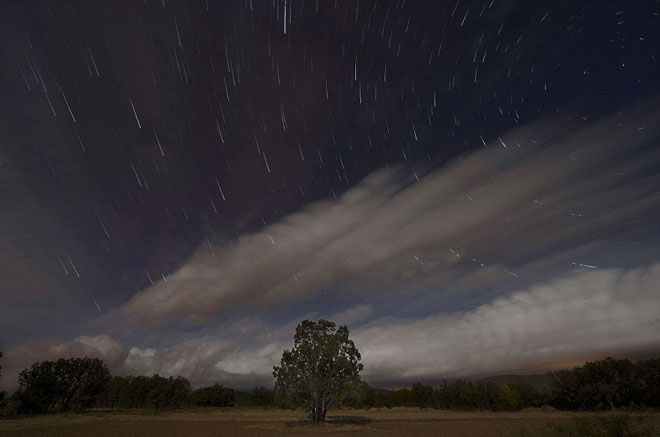
The moment the Perseid meteor glowed, gliding through the mountains of the Sierra Norte de Madrid, Spain.(Photo: AFP)
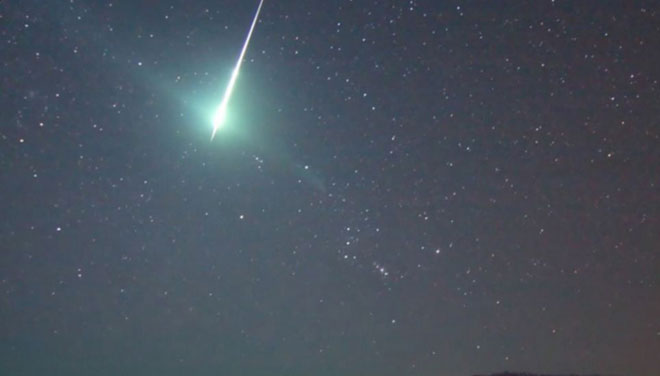
The meteor image was captured by the US Aerospace Agency (NASA) on August 12.(Photo: NASA / Twitter)
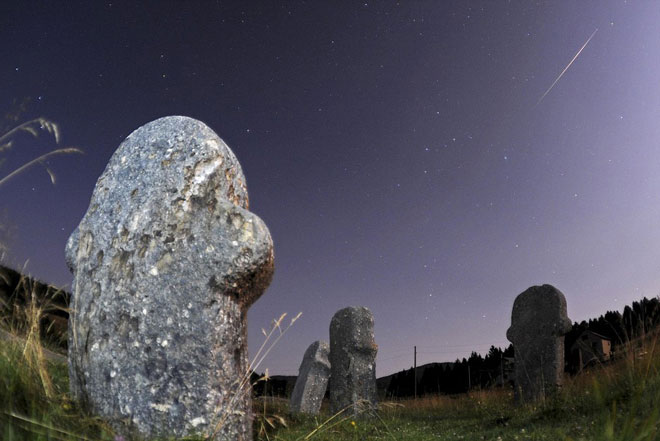
A meteor streak passes through the Maculje archaeological site, near Novi Travnik, in Bosnia and Herzegovina.This year's rain of ice was observed more clearly in areas of the northern hemisphere.(Photo: Reuters)
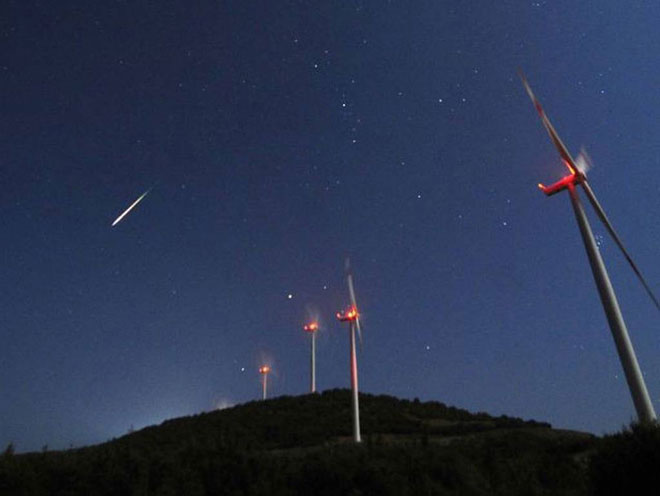
Meteor streaks fly through the sky during the Perseid meteor shower in a wind field near Bogdanci, south of Skopje, Republic of Macedonia.(Photo: Reuters)
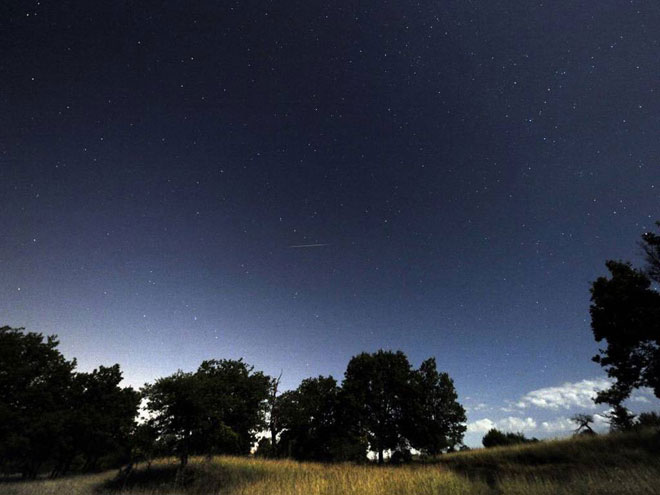
According to NASA, the meteor shower can culminate with a meteor number of up to 100 tracks / hour and an average of 40 tracks / hour.In the picture is a small meteor streak flying through the sky in the village of Blace, eastern Skopje of Macedonia.(Photo: AP)
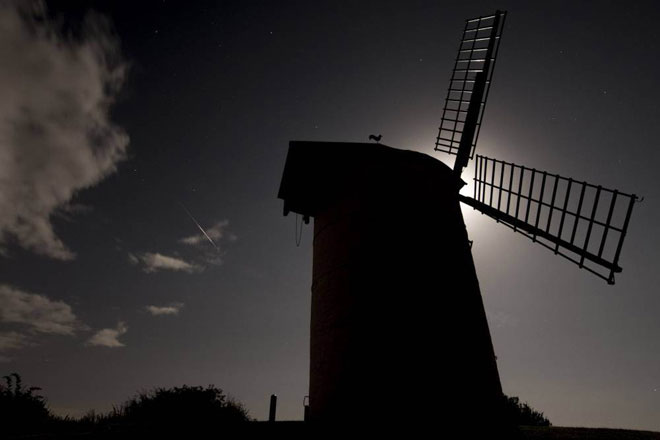
The bright moon and cloudy sky make it more difficult to observe the meteor at Ashton Windmill, Somerset, England.(Photo: PA)