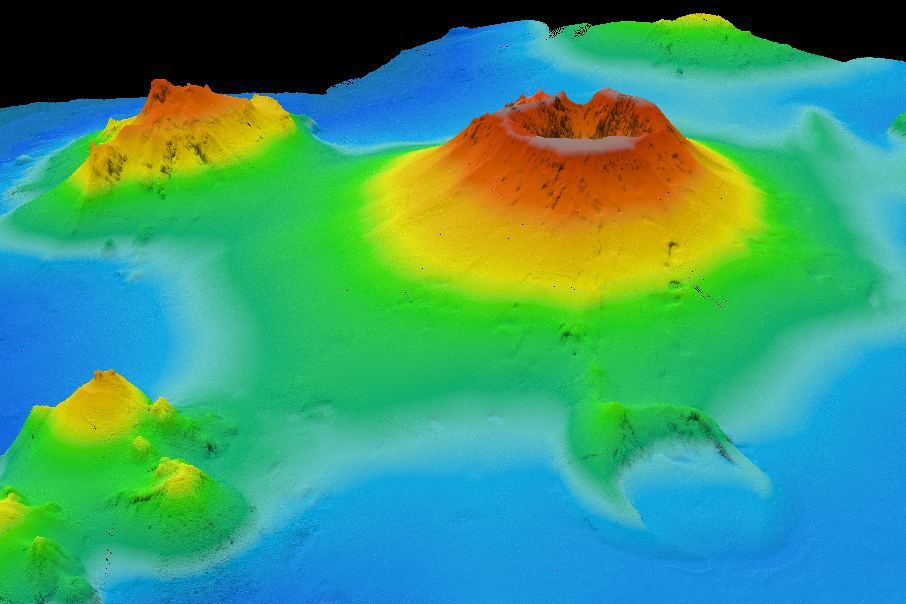
Hydrothermal vents are places on the seafloor where seawater circulates through hot, chemically reactive ocean crust and returns to the ocean carrying dissolved minerals and reduced chemicals. Many vents occur near mid-ocean ridges and other volcanically active settings.
What the science says
Cold seawater enters fractures, is heated near magma or hot rock, reacts chemically with the crust and becomes buoyant. When the hot fluid meets near-freezing seawater, minerals precipitate and can build chimney-like structures known as black or white smokers.
How the process works
Vent ecosystems are unusual because primary production is driven by chemosynthesis rather than sunlight. Microbes use chemical reactions involving hydrogen sulfide, hydrogen, methane or other compounds to make organic matter that supports larger animals.
What scientists measure
Vent fields can be short-lived on geological timescales, and their chemistry varies with rock type, temperature and subsurface circulation. Species must disperse between isolated sites, making vents useful systems for studying evolution and biogeography.
Limits and open questions
Hydrothermal circulation also changes ocean-crust chemistry and transfers heat and elements between the solid Earth and the ocean. Vents are therefore important to geology, chemistry and biology at the same time.
Why this topic matters
Understanding What Are Hydrothermal Vents helps connect individual observations to the larger scientific framework. Reliable explanations separate measured evidence from speculation, make uncertainty visible, and give readers a basis for interpreting new research as it appears.