If humans consume certain poisonous mushrooms, such as angel's wing mushrooms or skullcap mushrooms, they can suffer damage to the liver, kidneys, and nervous system, leading to death.
Top most poisonous mushrooms in the world.
- 1. Fly Agaric
- 2. Angel Wing Mushroom
- 3. Deadly Dapperling Mushrooms
- 4. Podostroma Cornu-damae fungus
- 5. Conocybe Filaris Mushroom
- 6. Webcap Mushroom
- 7. Autumn Skullcap Mushroom
- 8. False Morel mushroom (brain mushroom)
- 9. Angel Mushroom of Destruction
- 10. Death cap mushroom (Amanita phalloides)
- 11. Squid mushroom (Coprinus atramentarius)
- 12. Ergot fungus (Claviceps purpurea)
1. Fly Agaric
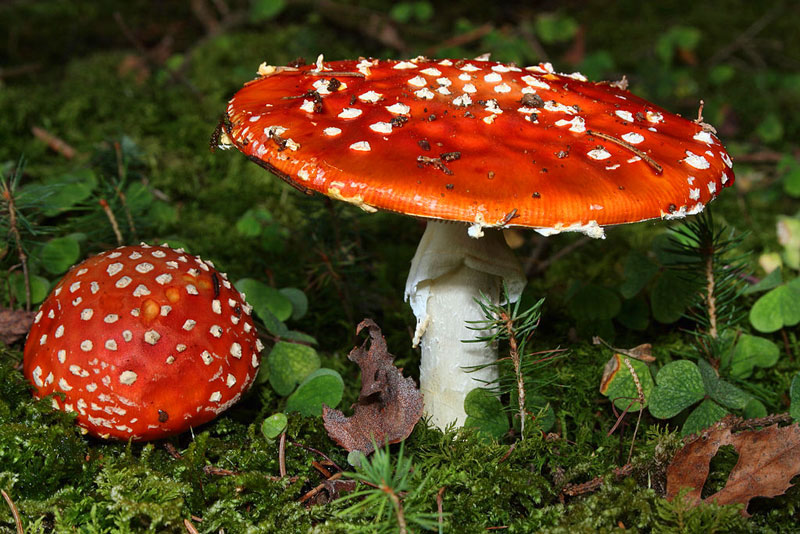
Photo: H.Krisp/License.
The flying agaric mushroom, scientifically known as Amanita muscaria , resembles the mushrooms in fairy tales, with its red cap and white spots. Accidental ingestion by humans and animals can lead to poisoning and even death.
The main toxic agents in the fusarium mushroom are muscimol and ibotenic acid . These toxins affect the central nervous system, causing irritation, nausea, drowsiness, and hallucinations.
2. Angel Wing Mushroom
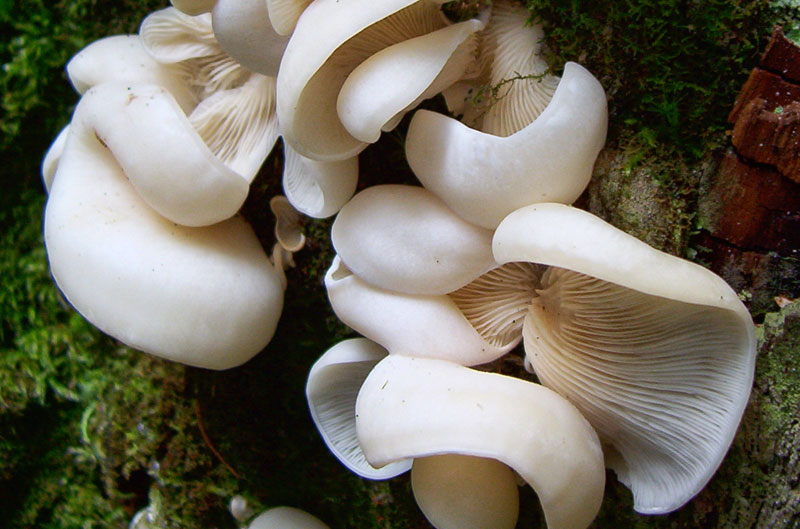 Photo: Planet Deadly.
Angel Wing mushrooms, scientifically known as Pleurocybella porrigens , are commonly found in the Northern Hemisphere. They were once considered food, but this changed in 2004 when nearly 60 Japanese people were poisoned after eating them, with 17 dying within six weeks.
Scientists have not yet been able to identify all the toxins in angel's wing mushrooms. One amino acid found in the mushrooms killed animal brain cells in experiments. It is also likely that the mushrooms contain high levels of cyanide.
3. Deadly Dapperling Mushrooms
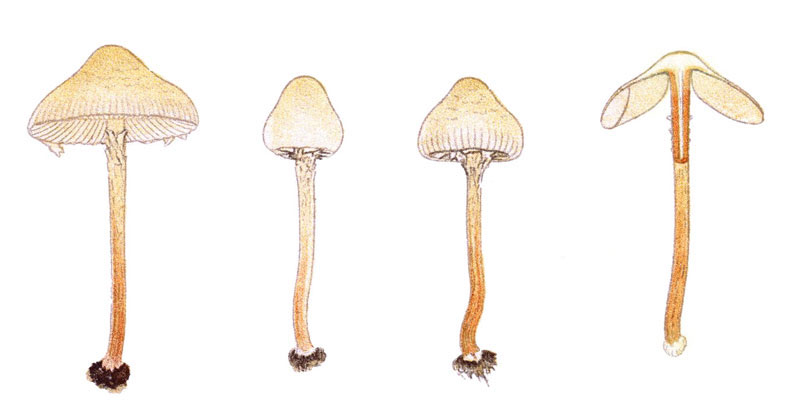
Photo: Planet Deadly.
Deadly Dapperling mushrooms, belonging to the Lepiota family, commonly grow in pine forests in Europe and North America. These mushrooms contain amatoxin, a toxin responsible for 80-90% of mushroom poisoning deaths.
The mortality rate from ingesting amatoxin is as high as 50% if left untreated, and 10% if treated promptly. Initial symptoms include abdominal pain and digestive disorders, followed by liver failure leading to death.
4. Podostroma Cornu-damae fungus
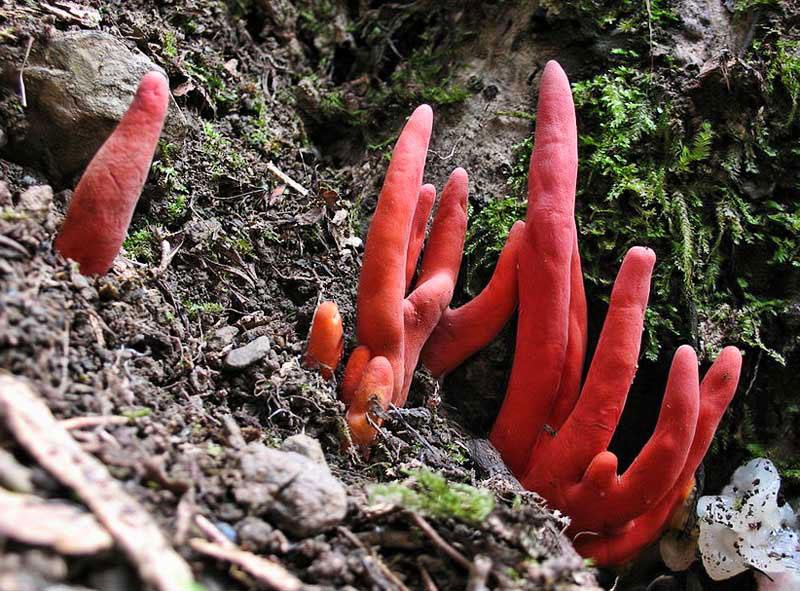
Photo: Kouchan/License.
The Podostroma Cornu-damae mushroom resembles a human hand. The main toxin in this mushroom is trichothecene mycotoxin , a compound that causes unpleasant symptoms and can lead to death within days. The toxin affects all parts of the body, but primarily the liver, kidneys, and brain, causing blood cell depletion and resulting in facial skin peeling and hair loss, similar to radiation poisoning or leukemia.
5. Conocybe Filaris Mushroom
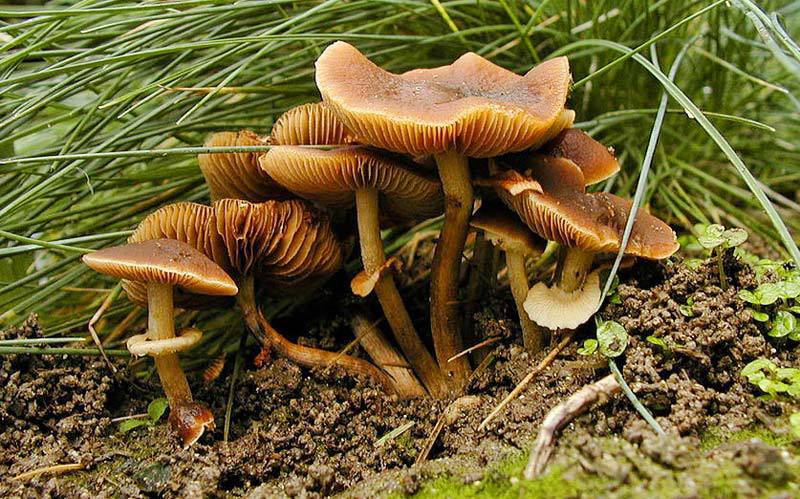
Photo: 414n/License.
Conocybe Filaris mushrooms typically grow on lawns and are native to the Pacific region of the northwestern United States. This type of mushroom contains amatoxin, a particularly dangerous toxin that, if ingested, can cause severe and irreversible liver damage.
6. Webcap Mushroom
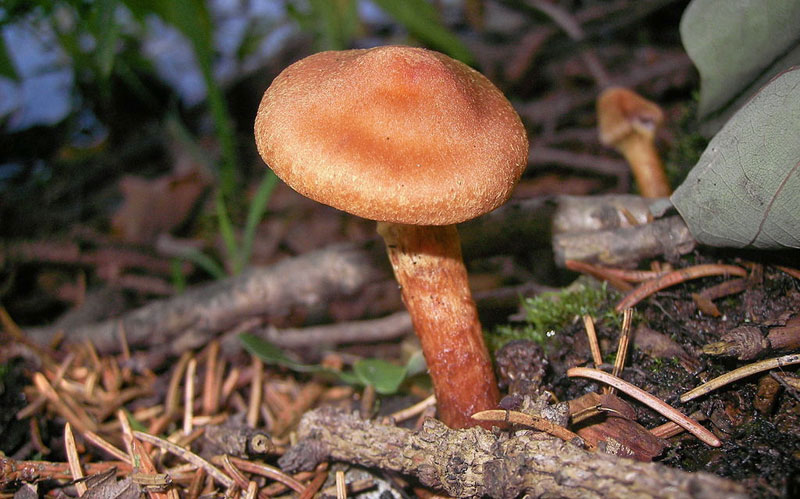
Photo: Danny Steven S./License.
Webcap mushrooms, scientifically known as Cortinarius rubellus , are extremely poisonous; even a small amount can be fatal. If fortunate enough to survive, those poisoned will require lifelong dialysis or a kidney transplant . Webcap mushrooms contain orellanine, a potent toxin for which there is currently no effective antidote .
7. Autumn Skullcap Mushroom
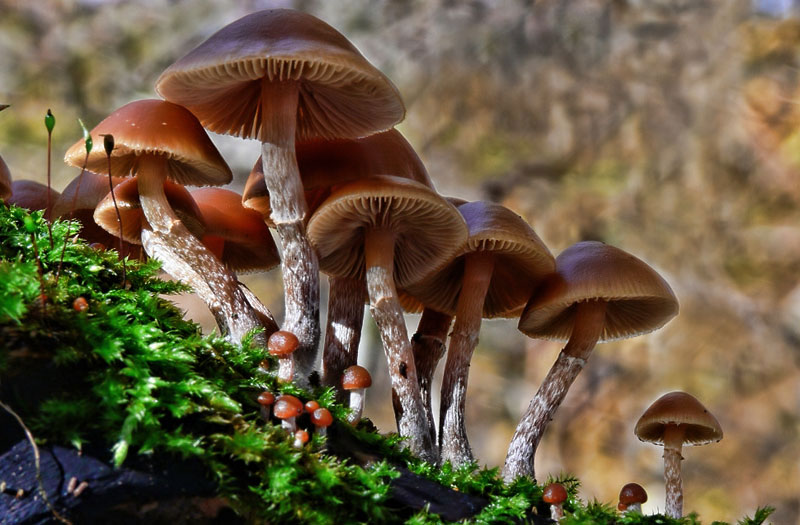
Photo: Lebrac/License.
Autumn skullcap mushrooms, scientifically known as Galerina marginata , commonly grow on dead tree trunks around the world. Like many other poisonous mushrooms, they resemble harmless mushrooms, leading to confusion among many people. The mushrooms contain amatoxin, a toxin that causes permanent liver damage, resulting in agonizing deaths.
8. False Morel mushroom (brain mushroom)
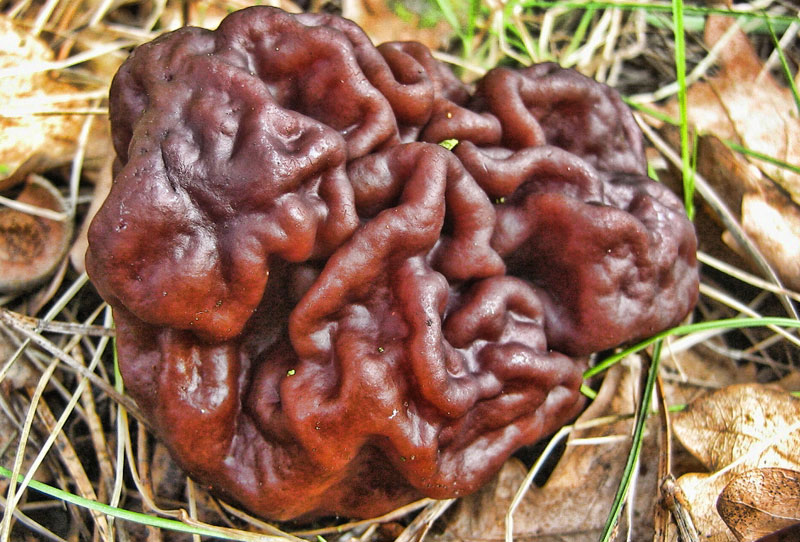
Photo: Planet Deadly.
False Morel mushrooms, scientifically known as Gyromitra esculenta, resemble the shape of a human brain. They are a popular food item in Scandinavia and Eastern Europe. False Morel mushrooms are quite unique; eating them raw is fatal. However, when cooked properly, they have an incredibly delicious flavor.
False Morel mushrooms have a bizarre, brain-like shape with many folds. " Despite their strange appearance, if prepared correctly, they can become a delicious dish," affirms Kim McCullough, chef and owner of the Inari restaurant in Finland.
In Finland, enjoying this poisonous mushroom requires a rigorous processing method to remove the toxins. The government also has very clear regulations regarding the handling of the mushroom's toxins.
After the toxins are removed, only a nutty aroma and the characteristic scent of wild mushrooms remain. And even after following all the steps, the toxin gyromitrin may still remain and accumulate in the body over time, so experts still advise diners not to eat it frequently.
The toxin in mushrooms is gyromitrin , which, when ingested, is metabolized into monomethylhydrazine (MMH) in the human body. This toxin primarily affects the liver, sometimes impacting the nervous system and kidneys. Common symptoms of poisoning include diarrhea, vomiting, dizziness, and headache. In the worst-case scenario, the poisoned person may fall into a deep coma and die within a week .
9. Angel Mushroom of Destruction
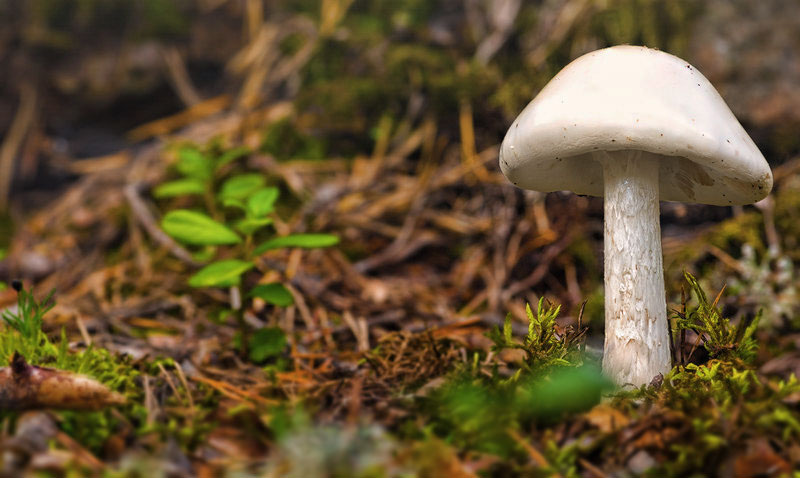
Photo: Stefan Holm.
Destroying Angels are extremely poisonous mushrooms capable of completely destroying the human body with amatoxin . Initial symptoms after ingestion include cramps, delirium, seizures, vomiting, and diarrhea. Amatoxin causes permanent damage to the kidneys and liver tissue. The only way to save someone poisoned is through a liver transplant .
10. Death cap mushroom (Amanita phalloides)
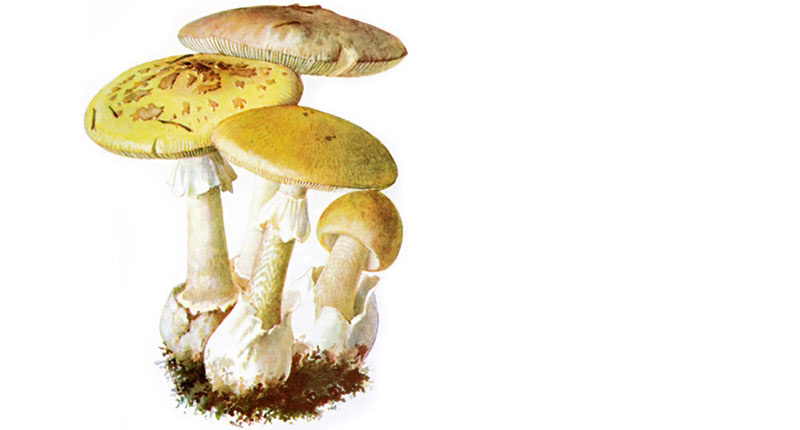
Photo: Planet Deadly.
Following heavy rains, a type of mushroom is proliferating across parts of California in the US. They are quite large, pale in color, and appear quite safe to those who happen to see them. In fact, these mushrooms taste quite good when cooked.
However, that outward appearance completely concealed its true nature, as it was the "death cap" mushroom - or Amanita phalloides - one of the most dangerous mushrooms in the world.
Death cap mushrooms, scientifically known as Amanita phalloides , are responsible for the majority of deaths resulting from accidental mushroom consumption or intentional poisoning. This mushroom has been linked to the deaths of Roman Emperor Claudius, a pope, and a Russian tsar. Native to Europe, death cap mushrooms commonly grow beneath oak trees in forests. They resemble many edible mushrooms, leading to confusion.
The toxic agent in the mushroom is α-amanitin (amatoxin), which causes irreversible damage to the liver and kidneys. It is estimated that just 30 grams of amatoxin (equivalent to half a mushroom) is enough to kill an adult. The toxicity of the death cap mushroom remains unchanged even when cooked, dried, or frozen.
Currently, there is no cure for poisoning. Therefore, if you happen to see this type of mushroom, stay away from it before it's too late.
11. Squid mushroom (Coprinus atramentarius)
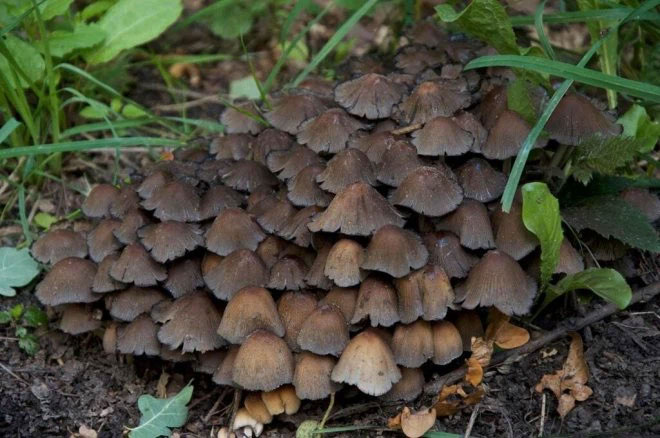
The mushroom itself is harmless, but when combined with alcohol, it becomes very dangerous. The coprin and amino acids contained in the ink mushroom react with the alcohol, causing toxicity 48 hours after consumption. Symptoms of this type of poisoning include facial flushing and cold hands and feet.
12. Ergot fungus (Claviceps purpurea)
Ergot fungus grows on rye, cereal crops, and related animal feed. Consuming grains or seeds contaminated with the fungus's survival structures can cause ergot disease in humans and other mammals.
The fungal hyphae grow deep into the young barley panicle, destroying the host plant's tissue cells and covering the flower cluster with a soft, white, cotton-like layer of mycelium. The mycelial mass develops into a hard, spur-like sclerotia that turn grayish-brown or purplish-black.
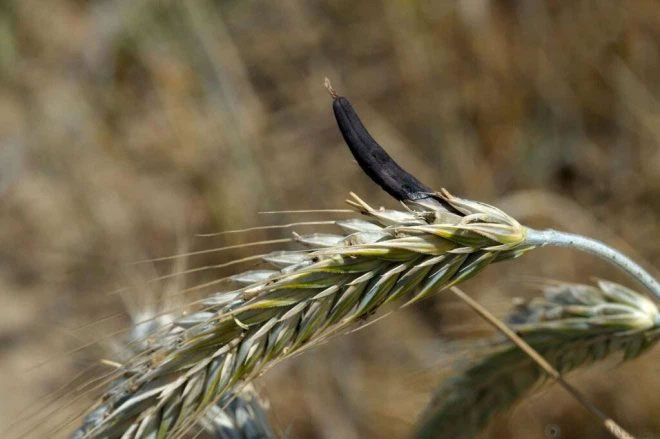
This fungus contains alkaloids such as ergotasine, ergotamine, and ergocornine, which have vasoconstrictive effects on smooth muscles and uterine muscles. In low doses, extracts from ergot are used to prepare various neuroleptic and cardiovascular drugs. In high doses, ergot is highly toxic and can cause gangrene in the fingertips and toes, muscle stiffness, and delirium. If ergot-contaminated barley flour is consumed, humans will develop ergot disease with muscle cramps in the limbs, numbness in the jaw, and subsequent ulceration leading to death. Livestock that eat grasses belonging to the Poaceae family contaminated with ergot also die from poisoning. The poisoning manifests through the following symptoms: convulsions, spasms, diarrhea, hallucinations, and necrosis.
- How to identify and avoid poisonous mushrooms
- Specific signs to identify poisonous mushrooms
- Video: Tornado sweeps through apartment complex in 1 minute, 50 apartments damaged.