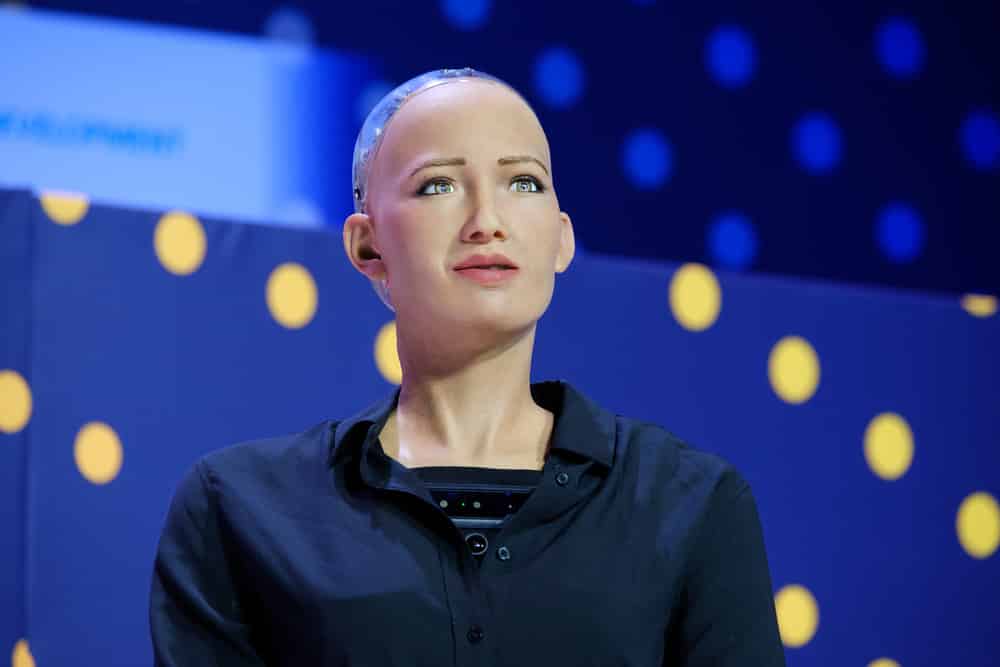
AI - Artificial intelligence
American scientists say the world's first living robot can reproduce
US scientists have created the first living robots called xenobots, which can reproduce in a way never before seen in animals and plants.
Follow AI news, machine learning, robotics, deepfakes, chatbots and real-world applications of artificial intelligence across science and society.
412 published items in this category and its subcategories.
US scientists have created the first living robots called xenobots, which can reproduce in a way never before seen in animals and plants.

On November 28, CNN reported that Oxford University (UK) recently held a poetry reading session for Ai-Da - the robot.

The gene research experiment applied artificial intelligence (AI) to study a powerful form of cancer, the results of which could improve the patient's condition.

Austrian company Tec-Innovation has recently introduced a smart shoe that uses ultrasonic sensors to help blind people detect obstacles up to 4 meters away.

Over the past few years, technologist and researcher Bruce Schneier has been studying the hacking potential of social systems.

According to scientists, in the near future, faces are not the only thing that we can train AI to recognize.

Perhaps in the future, the appearance of robots living with humans will no longer be just in fiction movies.

Mind Bank AI is the latest company looking to implement an ambitious idea: using artificial intelligence to give humanity immortality.

A Tsinghua University professor said that a new virtual student applying artificial intelligence at the school can reach the cognitive level of a 12-year-old in just one…

Researchers use artificial intelligence (AI) to track and analyze the growing number of unidentified flying objects in Chinese airspace.
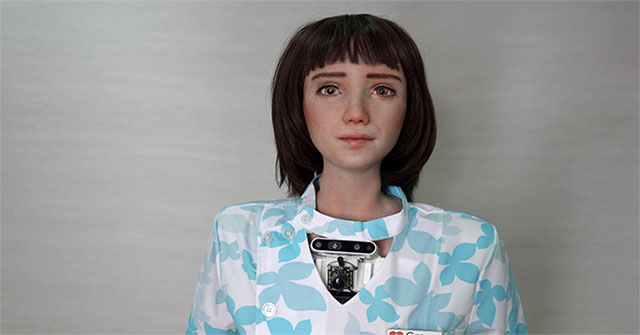
The 'father' of the world's first robotic citizen Sophia has just launched a new robot model called Grace aimed at serving the healthcare market.

This personality billionaire thinks that humans will create a kind of AI
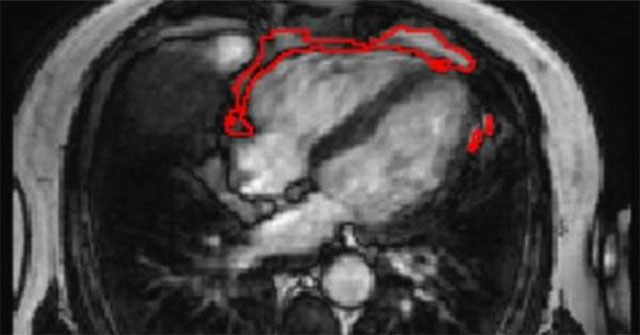
Fat accumulation around the heart is one of the causes of cardiovascular disease and metabolic syndrome.
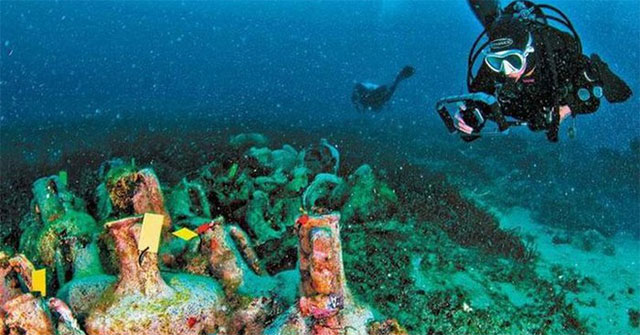
Scientists can now use AI technology to detect archaeological sites on land as well as underwater.
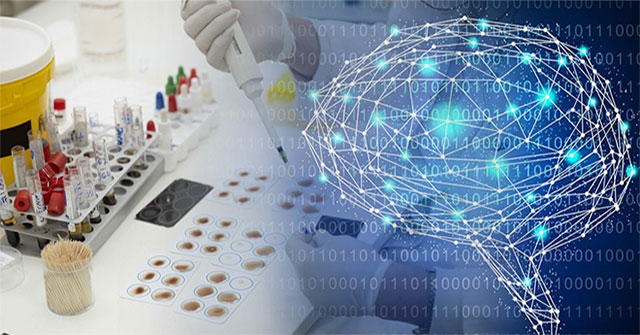
Artificial intelligence (AI) technology is changing the entire pharmaceutical industry.