Animal world
Found the world's oldest living fossils
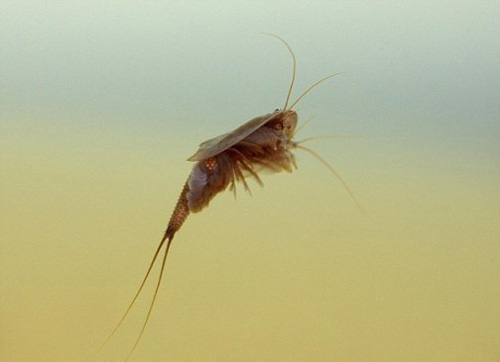
A rare species of shrimp is believed to be the world's oldest animal discovered by scientists scouring at Scotland's Caerlaverock Nature Reserve.
Discover wildlife, animal behavior, unusual species, survival strategies and remarkable adaptations from ecosystems around the world.
6,142 published items in this category and its subcategories.
A rare species of shrimp is believed to be the world's oldest animal discovered by scientists scouring at Scotland's Caerlaverock Nature Reserve.

If the situation of bluff exploitation is not soon prevented, in the near future perhaps the oceans will remain only deep sea.
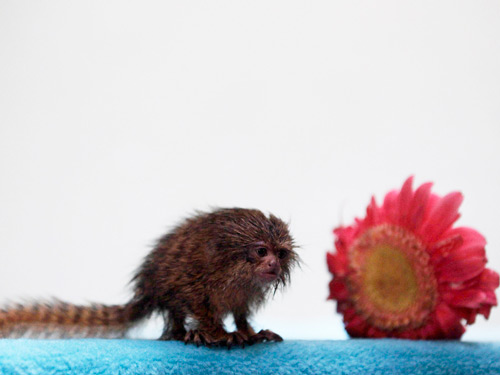
At first glance at the photo, people will think this monkey is fake, but it exists 100% real.
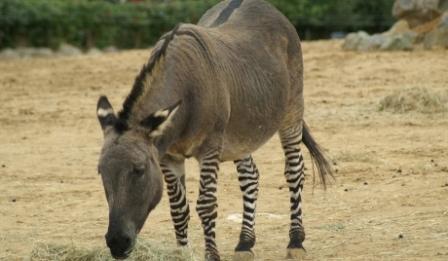
Zedon, a hybrid of zebras and donkeys born a week ago at Chestatee Wildlife Reserve, southern Georgia (USA).

Scientists hope that with the establishment of this world's largest reserve and an active conservation effort, tiger populations will recover.

An African wild cat jumped into the air and made an upside-down owl to catch pigeons.

A study of red jungle chickens demonstrates that males can adjust sperm speed and efficiency, depending on how attractive the object is.

California state scientists have found that snakes are able to identify heat sources from a distance.

The American Institute of Science in San Francisco in California opened an exhibition of the largest, smallest and most amazing mammals in the evolutionary history of an…


Einstein's three-day-old black-spotted horse can be recognized as the world's youngest horse with a height of only 35 cm and weighs 2.72 kg, smaller than an infant.

Also mourning, sad and even carrying the body of the child for weeks, chimpanzees face the death of their fellow humans, relatives like humans.

Psychologists from the University of Belfsat, Northern Ireland have discovered, dogs, cats, parrots, even fish are also favorable

German police will use vultures to determine the location of corpses in places where dogs cannot come.

Scientists at the University of Vienna, Austria have discovered a special ability of the North American musk turtle, the ability to breathe through the tongue.