Archeology
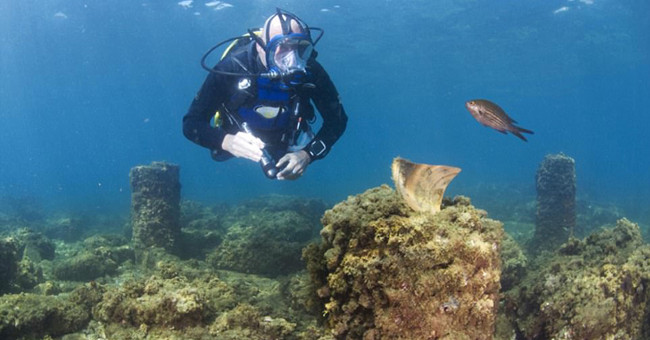
The city of ancient super-rich Romans sank under the sea
Baiae city is located in the ocean once used to be a place for the wealthy Roman era with many luxurious works.
Explore archaeological discoveries, fossils, ancient civilizations, human origins and artifacts that reveal how people and species lived in the past.
5,314 published items in this category and its subcategories.
Baiae city is located in the ocean once used to be a place for the wealthy Roman era with many luxurious works.
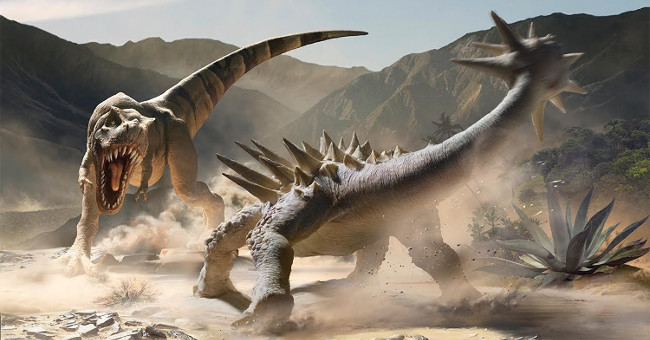
One of the most terrifying creatures that ever existed in Earth's history is the tyrant dinosaur (tyrannosaurus rex), or T-rex.
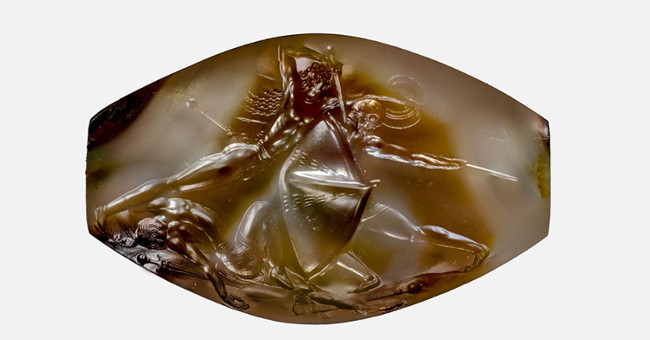
Archaeologists at the University of Cincinnati (UC), Ohio, USA, discovered a finely carved agate jewel that could change the entire history of ancient Greek art.
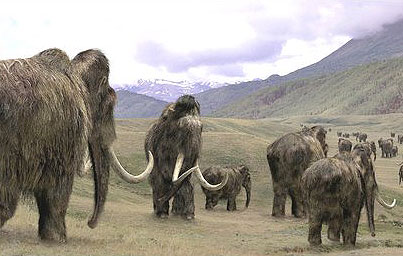
One of the extinct animals long before the modern human society formed might walk on the ground again, thanks to an experiment like that in a Hollywood movie.
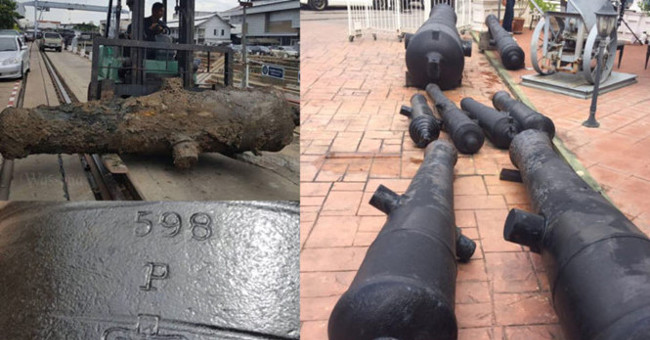
Thai authorities have discovered 12 intact cannons underground in a port outside Bangkok.
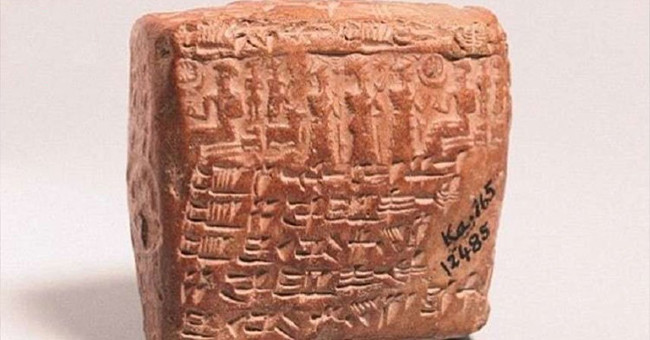
A marriage contract from 4,000 years ago in Turkey detailing the obligations of husband and wife, including situations ... pregnant women.
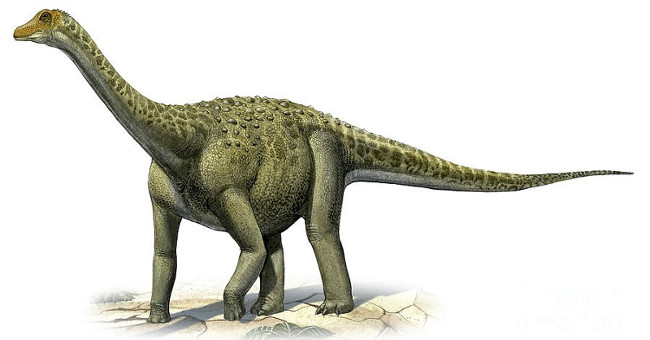
In films, dinosaurs are portrayed as giant carnivores with scary sharp teeth. They easily feed their prey with just one bite.
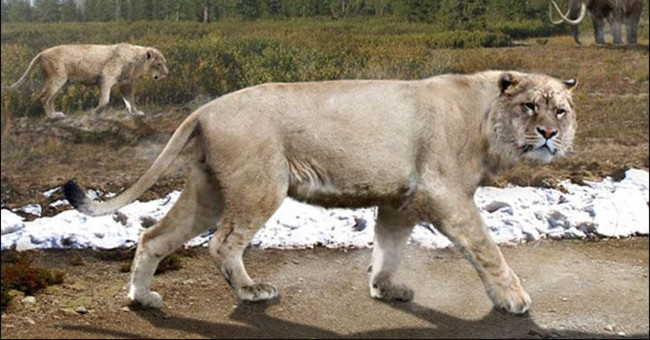
Ancient lions of oversized sizes roared throughout England, Europe and North America 13,000 years ago.
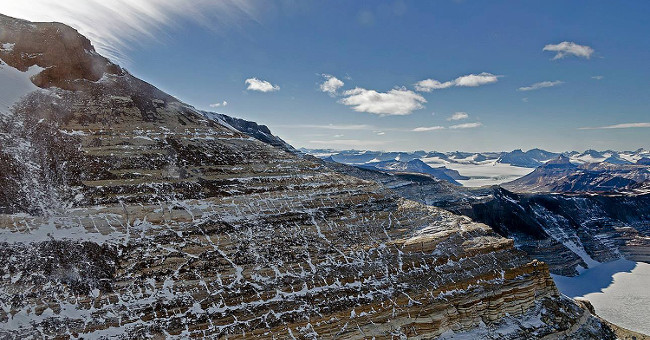
Traces of prehistoric Antarctic forests can help scientists understand more about the Permian extinction event - Triassic.
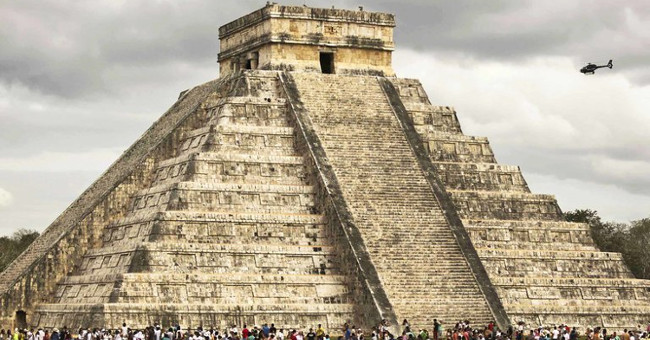
Around the beginning of the 16th century, the invaders from Spain were the ones who discovered Kukulkan temple in Mexico's Chichen Itza ruins.
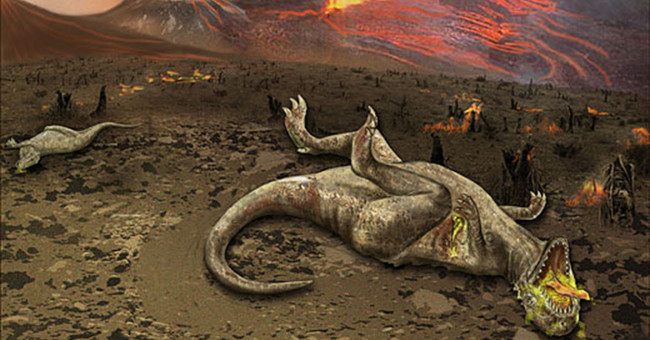
You probably know, millions of years ago Earth was dominated by giant reptile monsters named after

Until now, the scientific community noted the oldest grape wine traces found in the Zagros area of Iran in the year 5,400 -5,000 BC (about 7,000 years ago).
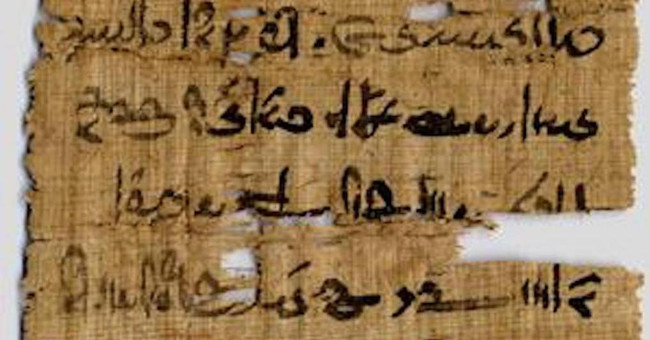
Historically, archaeologists believe that the ancient Egyptians used black ink, which was purely carbon-based until the 4th and 5th centuries.
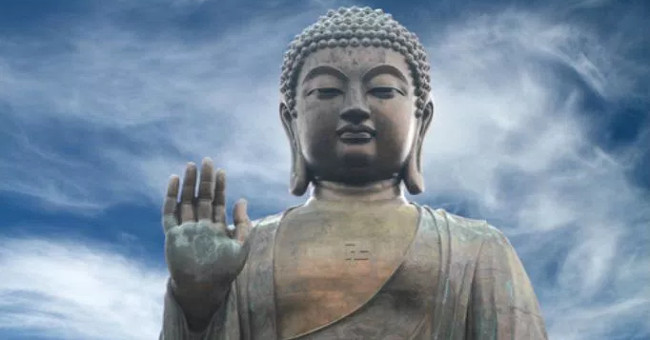
The cremated remains of Buddha, also known as Shakyamuni Buddha (Siddhārtha Gautama), were found in a porcelain ark in Jingxuan County, Gansu Province, China.
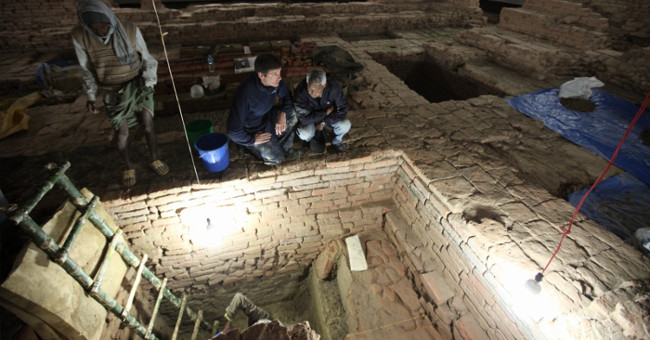
Archaeologists studying in Nepal have discovered evidence of an architecture at the birthplace of the Buddha dating back to the 6th century BC.