The annual Delta Aquarids meteor shower has just peaked in the morning of July 29. This is a small meteor shower with about 20 ice stars per hour from the constellation Aquarius.
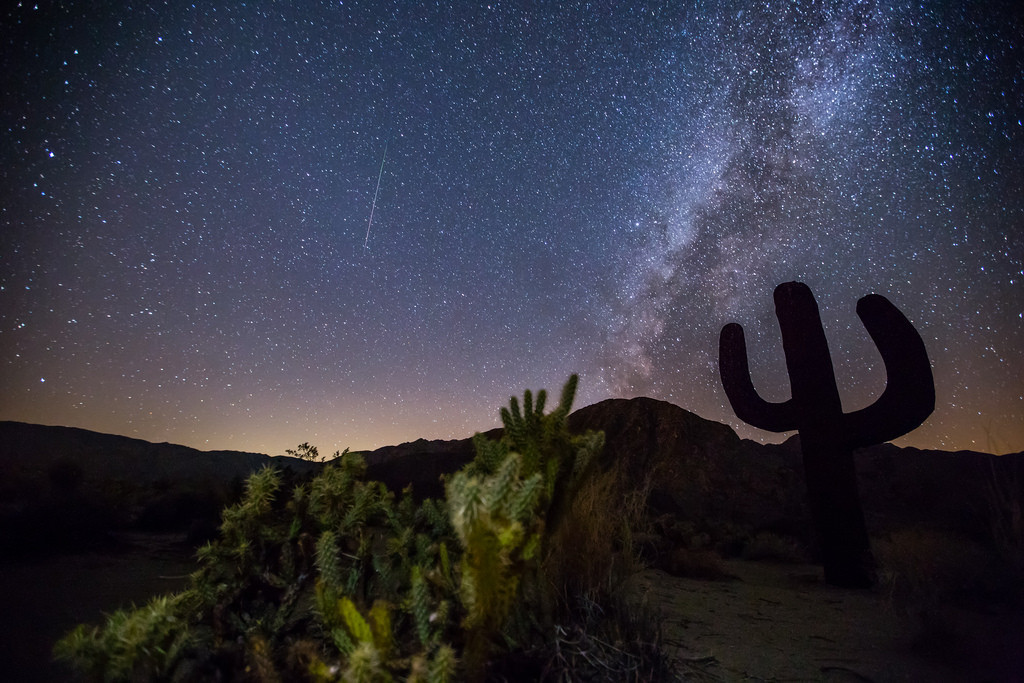
Delta Aquarids meteor shower takes place from July 12 to August 23 every year.This is a picture of a meteor streak in the sky of Borrego Springs, California.(Photo: Ineeddadrink).
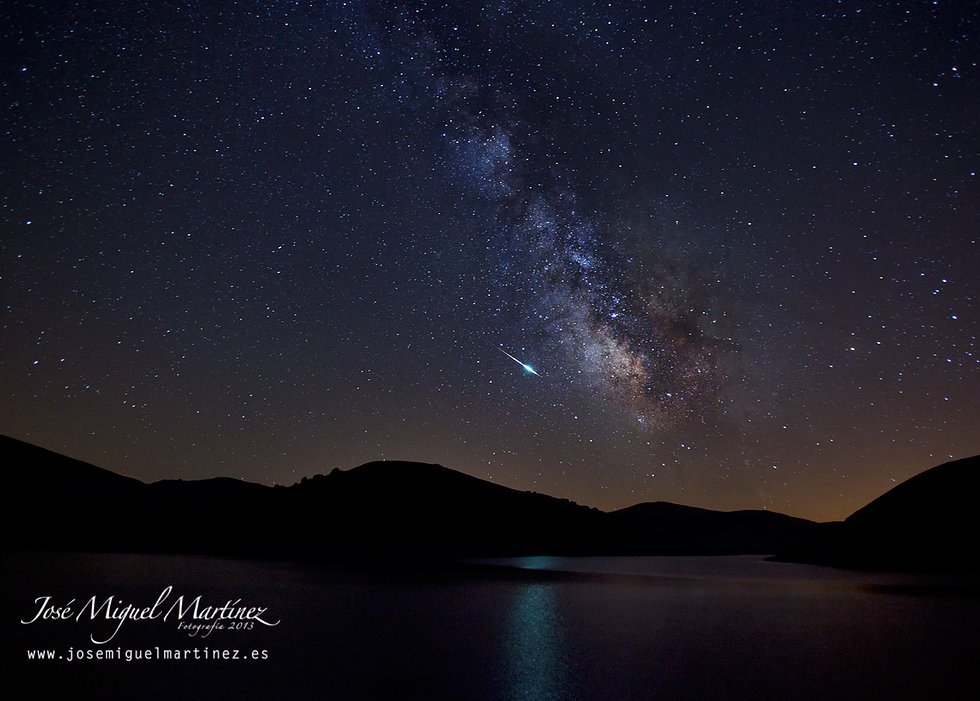
The peak of this meteor shower falls in the morning of July 29.Delta Aquarids meteoric sky in Cantabria, Spain.(Photo: José Miguel).
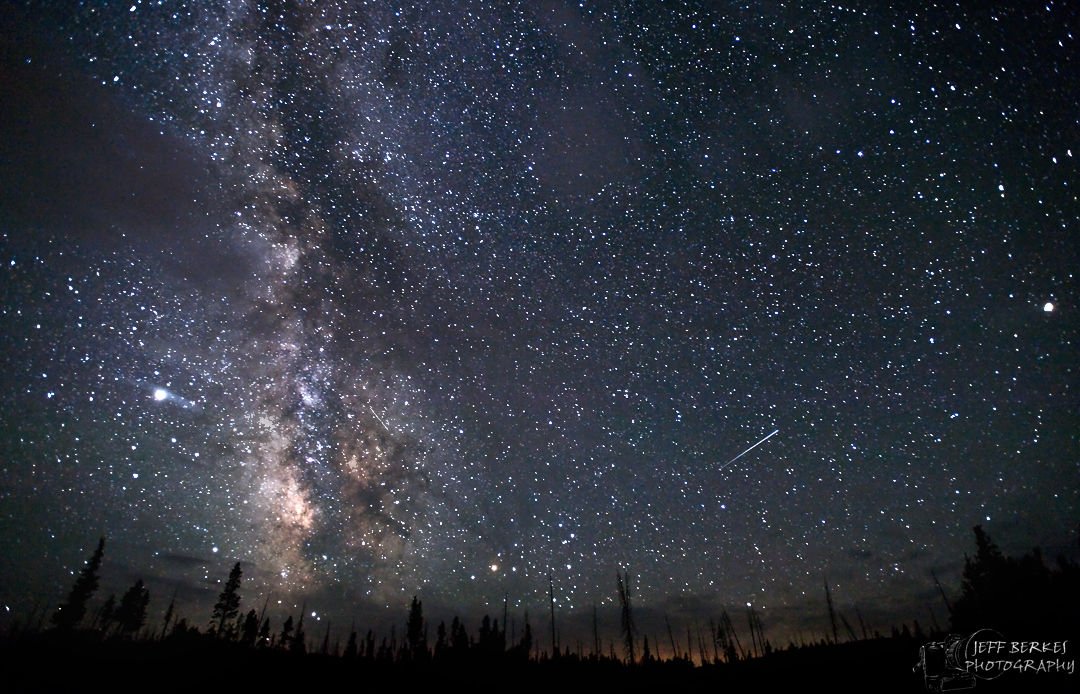
Delta Aquarid meteor shower coincides with the time of the larger Perseid meteor shower in mid-August. Starry sky with meteor in Wyoming.(Photo: Jeff Berkes).
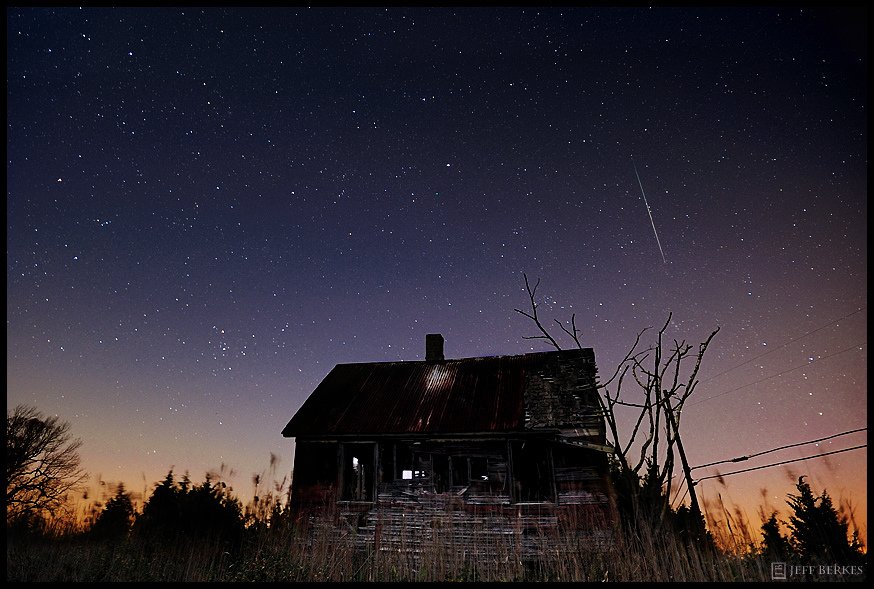
Delta Aquarids are meteor shower caused by comets 96P Machholz, this comet cuts the Earth's orbit and drops dust and gas along the way.Meteor on an old house at Northwestern.(Photo: Jeff Berkes).
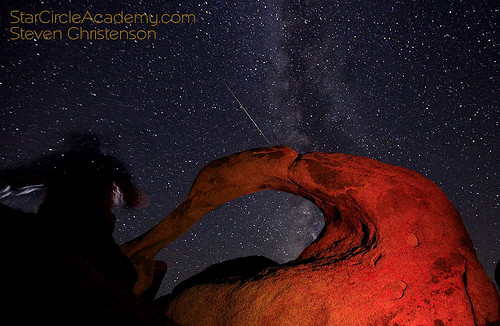
Donald Machholz discovered comet 96P Machholz in 1986, this is a short-period comet with orbit around the Sun of 5.24 years.The image of a star staring across the top of the famous US Mobius Arch.(Photo: Steven Christenson).
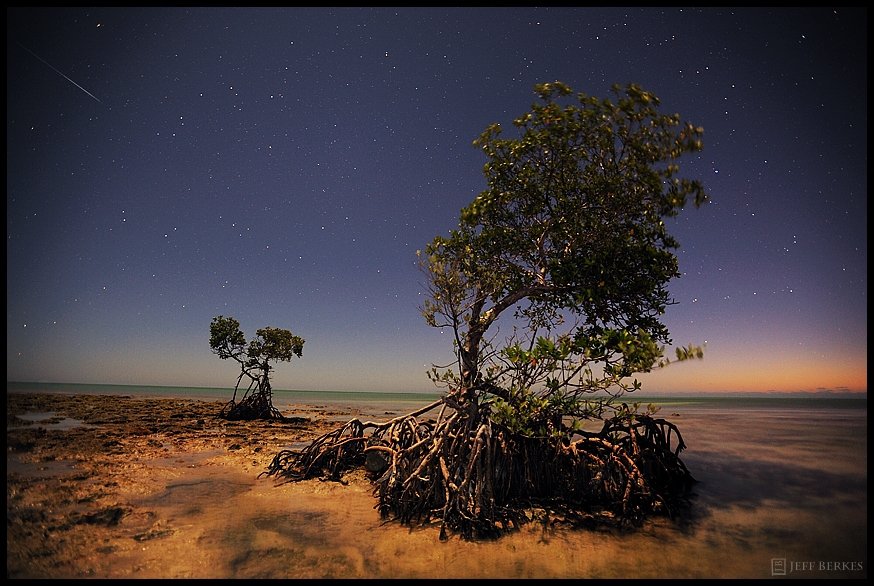
The Delta Aquarids meteor shower in 2016 falls on the day of the emergence of the late crescent moon after midnight, which can alleviate observable meteor streaks.Meteor is immersed in moon light.(Photo: Jeff Berkes).
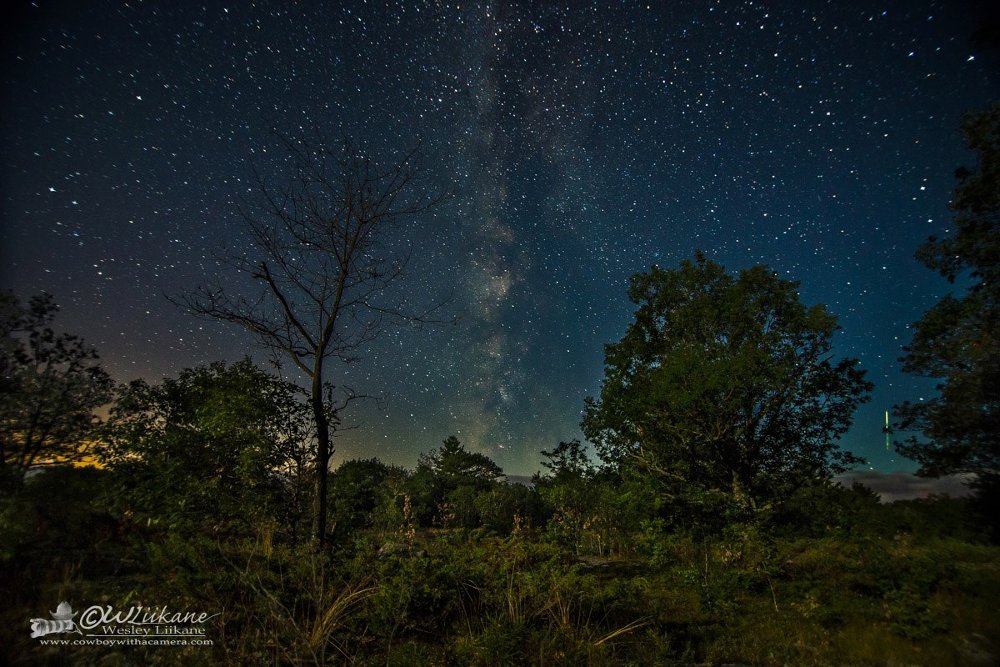
Delta Aquarid meteor with the center of the Milky Way galaxy in Torrance Barrens sky.(Photo: Wesley Liikane).
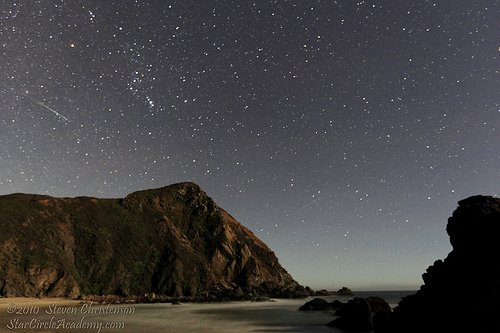
Meteor stars in the eastern United States.(Photo: Steven Christenson).
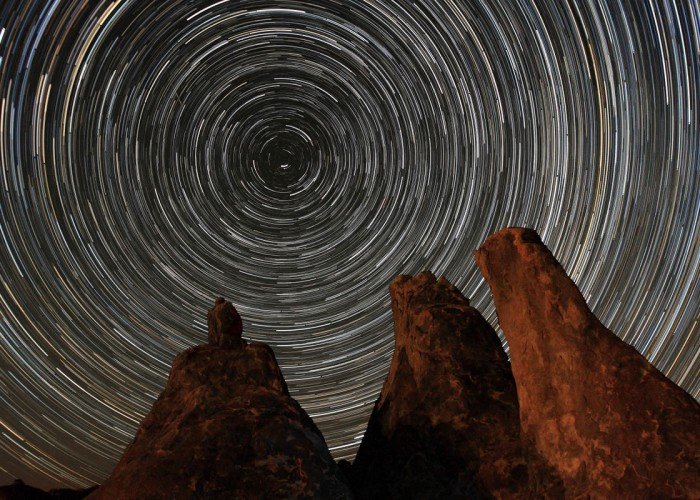
A meteor appears in the circle of stars.This is a long exposure image for a few hours, when the Earth revolves around its axis, the stars will create concentric circles with the North Star.(Photo: Steven Christenson).
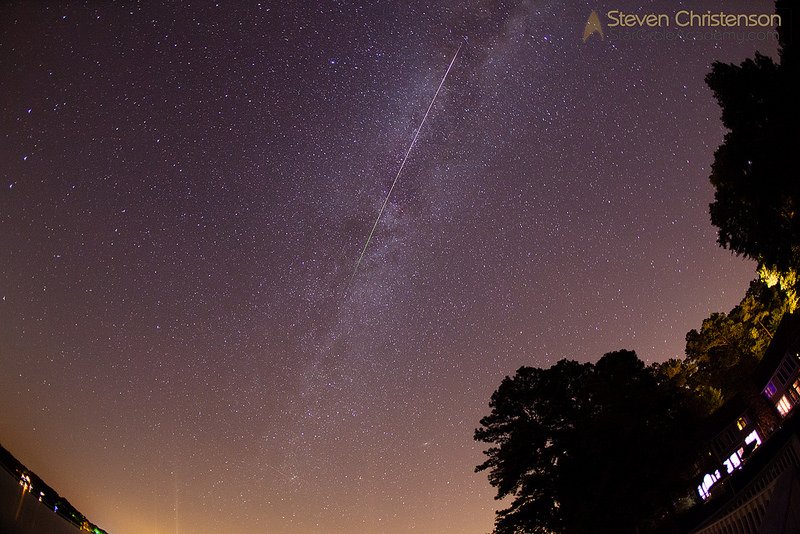
Meteor is soaring along the Milky Way above Lake Gaston, northern California.(Photo: Steven Christenson).
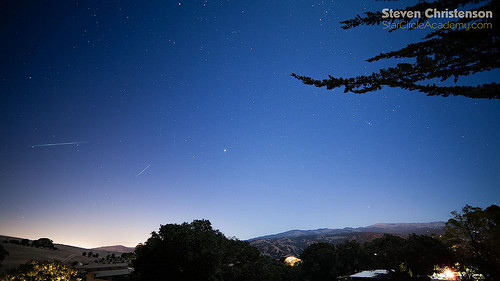
Two meteor streaks appear in an exposure photo taken in California, USA.(Photo: Steven Christenson).
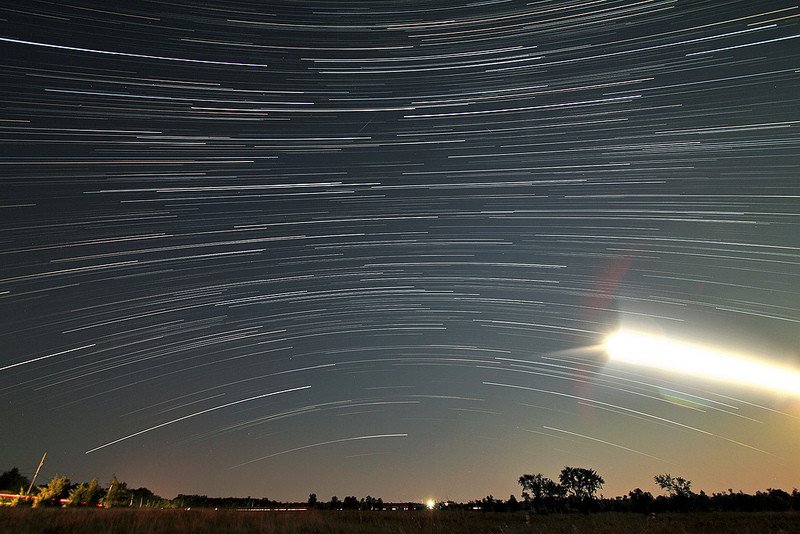
The 2-hour exposure image shows the path of the stars in the sky, along with the meteor in the US.(Photo: Matt Molloy).