Science topic

Meteor Showers

Learn why Earth passes through streams of comet debris, how meteor showers form and what makes events such as the Perseids so visible.

meteor showermeteor showersperseidperseids
Start here

Essential guides to Meteor Showers

Begin with clear explanations of the key ideas, discoveries and questions in this subject.

When Is the Perseid Meteor Shower?
Space science

When Is the Perseid Meteor Shower?

The Perseid meteor shower is active each year in July and August as Earth crosses debris from comet 109P/Swift-Tuttle. In 2026, NASA lists the peak night as August 12–13, with the shower active through August 24 and unusually favorable.

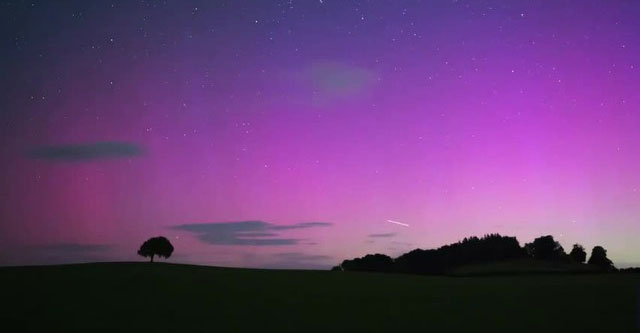
Space science

When Is the Geminid Meteor Shower?

The Geminid meteor shower is one of the most reliable annual showers and is associated with 3200 Phaethon, an asteroid or 'rock comet' rather than a…

Latest

Latest Meteor Showers articles

Read recent ScienceInfo stories and explainers about Meteor Showers.

What Are Meteor Showers and What Causes Them?
Space science

What Are Meteor Showers and What Causes Them?

Meteor showers happen when Earth passes through streams of small particles left along the orbits of comets or, in some cases, asteroid-like bodies. The particles enter t…

More to explore

More about Meteor Showers

Continue with more articles, discoveries and explanations from this subject.

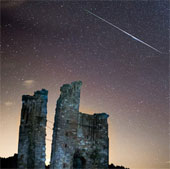
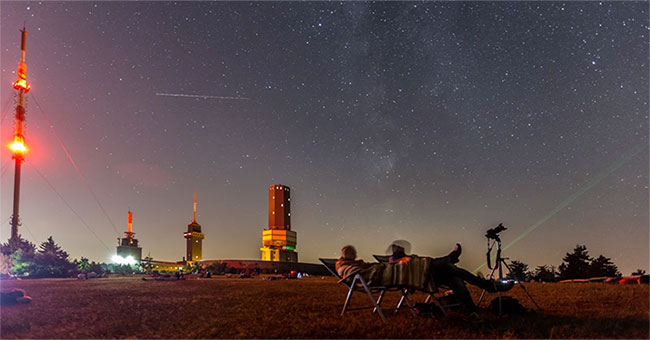
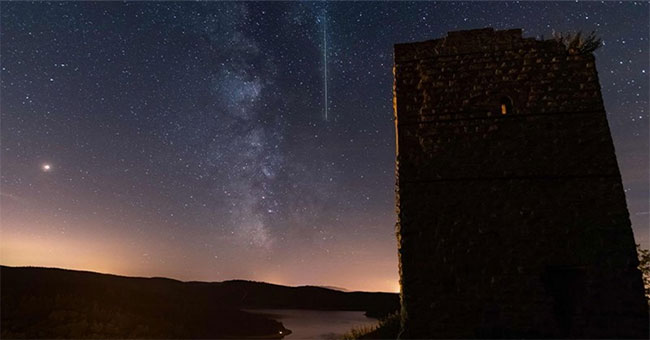
Watch Geminid meteor shower 2015 worldwide
Photo library

Watch Geminid meteor shower 2015 worldwide

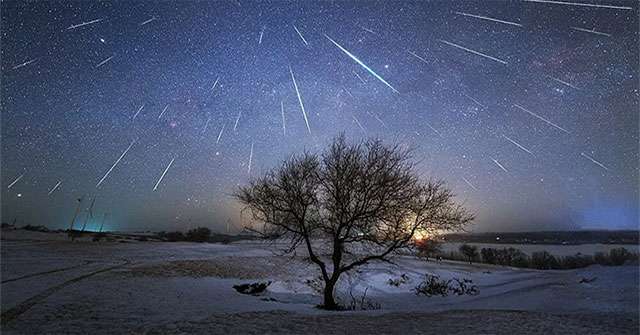
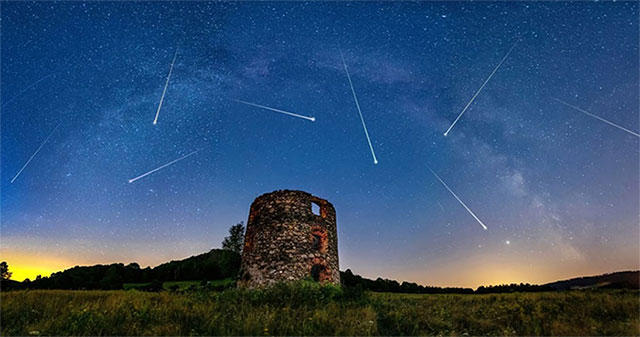
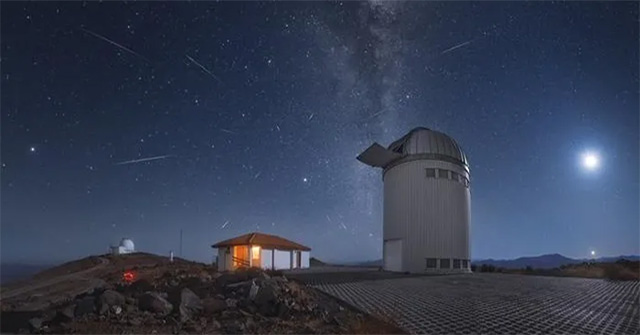
This morning (December 15), the biggest meteor shower of the year took place and a series of astronomers and photographers around the world did not miss the opportunity…