Black Holes
Explore black holes from stellar collapse and event horizons to supermassive black holes, gravitational waves and modern observations.
311 articlesStart with the big questions of the universe, then explore planets, stars, galaxies, black holes, telescopes and space exploration.
Browse focused subjects with articles and explainers selected for each area.
Explore black holes from stellar collapse and event horizons to supermassive black holes, gravitational waves and modern observations.
311 articlesDiscover worlds orbiting other stars, how astronomers find them and what exoplanets can tell us about habitability and planetary systems.
28 articlesFollow the exploration of Mars through orbiters, landers and rovers, with explainers on Martian geology, climate, water and habitability.
800 articlesExplore the Moon as a scientific world and destination, from lunar geology and water ice to Artemis missions and future exploration.
761 articlesLearn how solar activity drives space weather, geomagnetic storms and auroras, and why these events matter for satellites and power systems.
90 articlesLearn why Earth passes through streams of comet debris, how meteor showers form and what makes events such as the Perseids so visible.
130 articlesBegin with clear explanations of the key ideas, discoveries and questions in this subject.
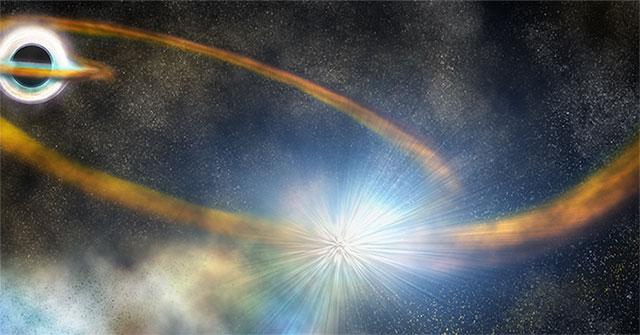
TESS, NASA's $ 200 million telescope, observes a black hole about 600 million times more massive than the Sun.
The photo taken of Jupiter startled viewers because of a very large black streak, appearing on the surface of this planet like a
With the help of the Chandra X-ray Observatory astronomers, NASA scientists have found evidence of the existence of a black hole ...
The American Aeronautics and Space Agency (NASA) announced on June 13 that it had discovered the largest planet outside the solar system, also known…
Scientists detected unusual signals that resembled flashing lights,
A study just published online on arxiv.org has confirmed the ability to form a giant solar system with the parent star is a ... black hole monster.
Read recent ScienceInfo stories and explainers about Space & Astronomy.
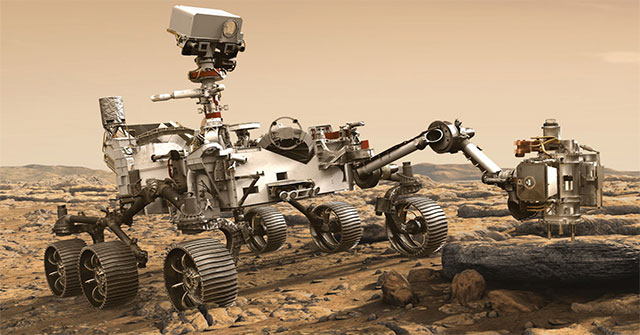
The NASA robot completed its mission as originally planned, lasting 687 Earth days or a Martian year, and began its extended mission.
The presence of water on the Moon is giving NASA scientists a new direction for plans to send the first woman to the planet.
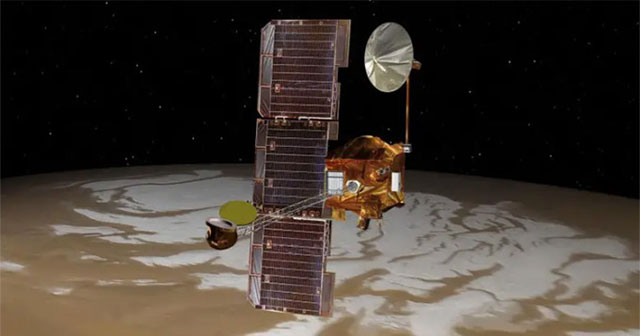
An error in calculating the remaining fuel of the 22-year-old Mars Odyssey orbiter had experts thinking it was about to end its mission.
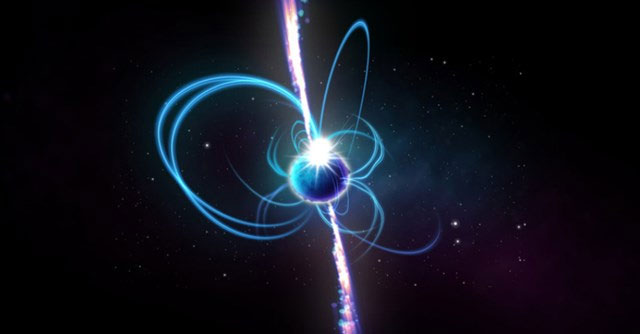
A newly observed neutron star merger has cast doubt on the previously known mechanism of black hole formation.

NASA's Jet Propulsion Laboratory (JPL) posted a panoramic image of a Martian sunset taken by the Curiosity rover, made up of 28 small images.
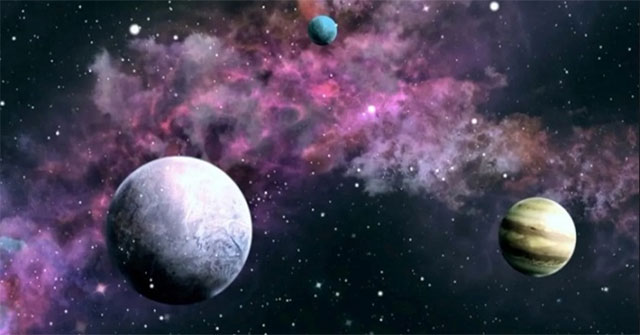
Astronomers estimate there are about 100,000 trillion billion planets in the universe based on the assumption that every star has a planet orbiting it.
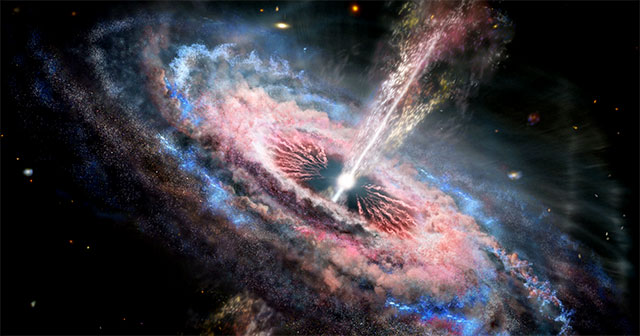
How did the universe come into being? This is one of the oldest and most intractable questions in human history.
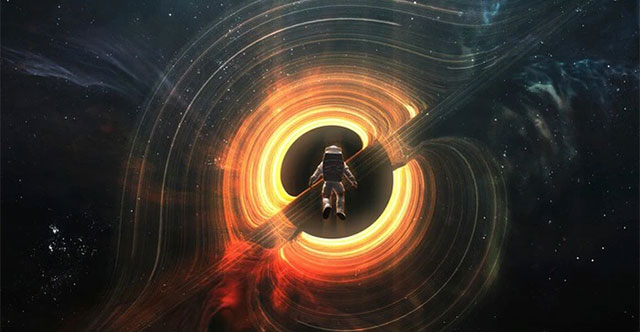
What if we - and our entire universe - were inside a black hole?
Continue with more articles, discoveries and explanations from this subject.
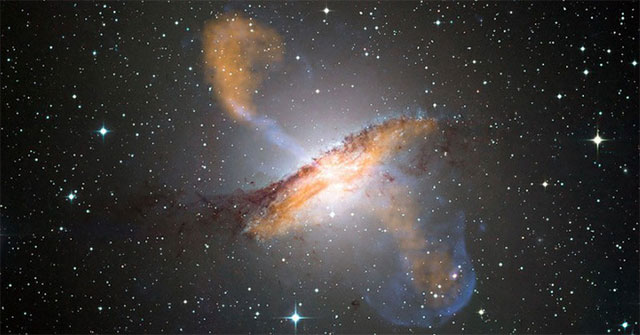
Some astronomers have just hypothesized that the mysterious 9th planet in the Solar System may not be a planet, but actually a primitive black hole.

If humans do not wear protective gear in the universe, the water in their mouths, eyes and soft tissues will evaporate instantly, while the skin burns badly from exposur…
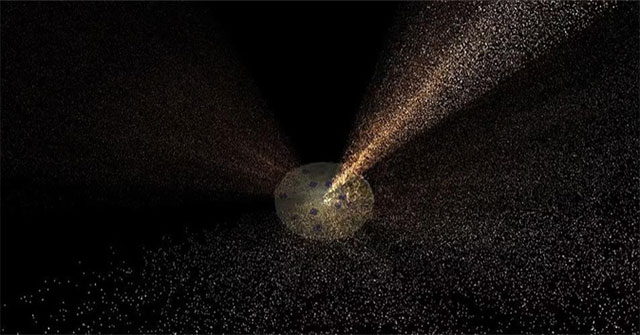
Scientists have used the LOFAR Low-Frequency Radio Telescope Array to map more than a quarter of the northern sky as seen from Earth, revealing a series of stunning cosm…
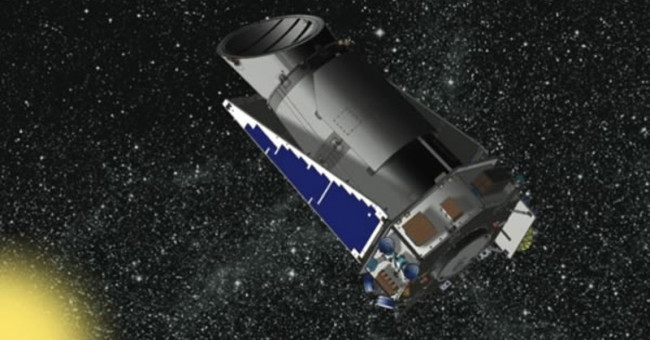
On July 18, an international team of scientists announced that 104 more planets outside the Solar System have been discovered, of which four planets may have Earth-like…
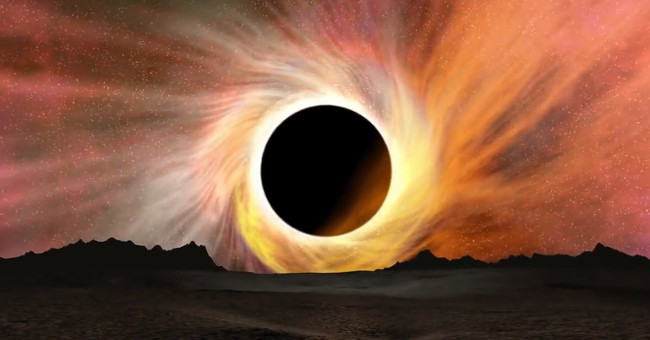
British scientists in the new study, published in the journal Nature, report that stars are attracted to black holes (TDE), which occur at a frequency many times greater…

Over the past few decades, from the point of view around the Solar System, we now know thousands of planets outside the solar system.
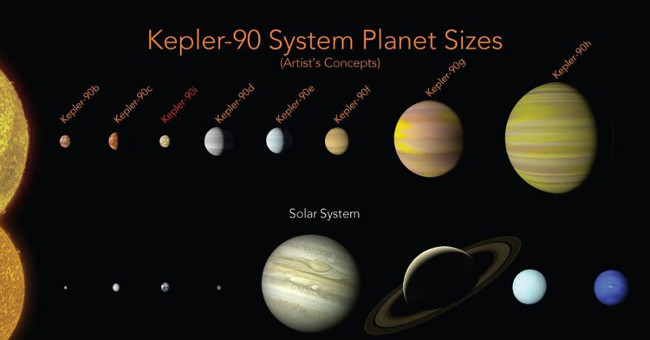
Researchers from the US aerospace agency (NASA) and technology giant Google have joined hands to teach a computer how to handle large amounts of data generated from the…
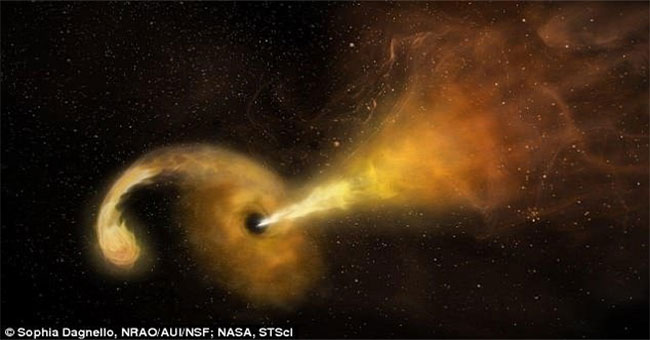
The cosmic black hole - for those who don't know - is a spaceless space with enormous mass, but compressed into a very narrow space.
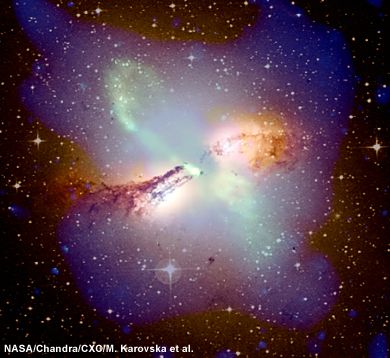
The cosmic black hole had to endure bad reputation. Newspapers accuse them of gravity monsters, astronomers have labeled them nicknames who like to hide themselves, and…
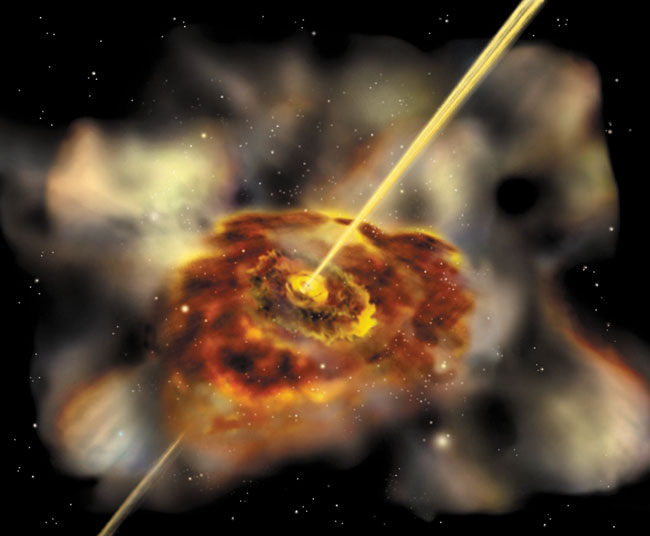
According to Martin Haehnelt of Cambridge University, simulations of the evolutionary process began to emerge in the mid-1990s when researchers found but the clue shows…
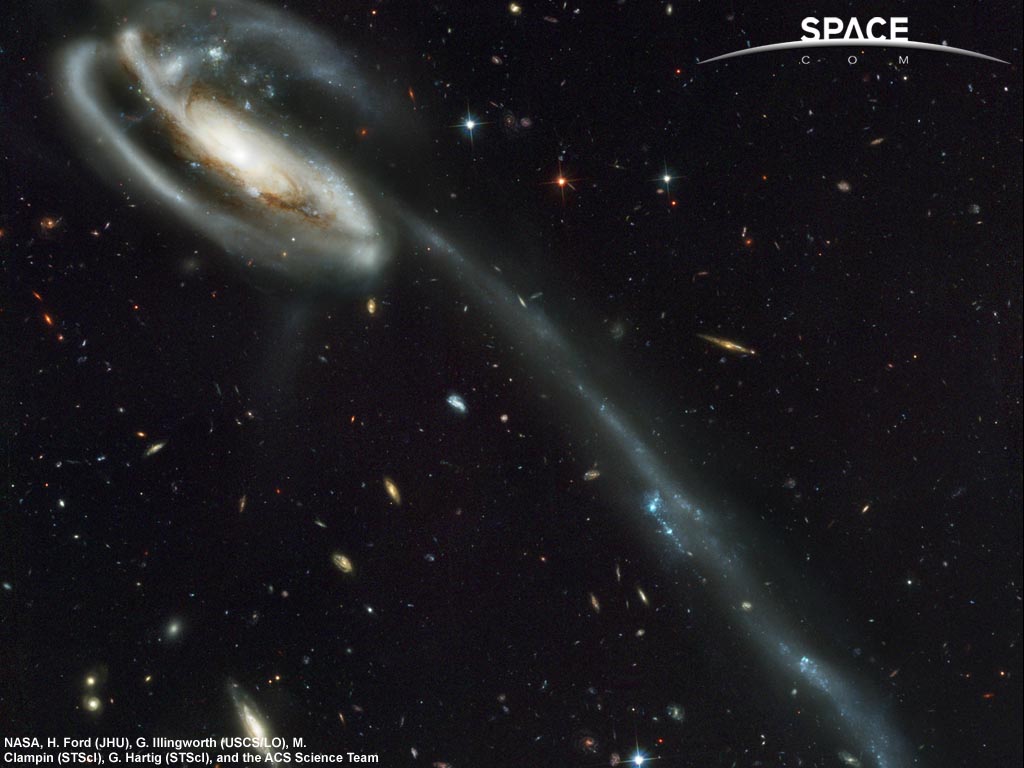
Scientists have envisioned galaxies forming along a monolithic collapse path, in which a giant gas cloud bursts from within.
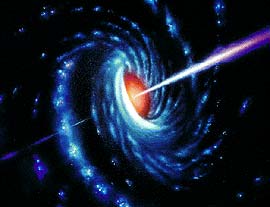
Scientists from the US Aerospace Agency (NASA) have used SWIFT satellites to capture space in many angles and map black holes in distances of less than 400 million light…