Biology
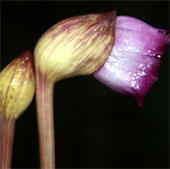
Earlier in Aeginetia - The plant specialized in parasite
When the first rains fell into the tropical rainforest, the ginger family Zingiberaceae began to sprout, jubilantly.
Explore biology, plants, fungi, insects and living systems through research, species profiles, natural adaptations and surprising life-science facts.
3,879 published items in this category and its subcategories.
When the first rains fell into the tropical rainforest, the ginger family Zingiberaceae began to sprout, jubilantly.
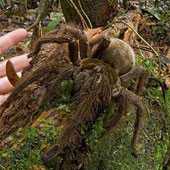
The giant spider is as large as a puppy discovered in the rainforest in Guyana.
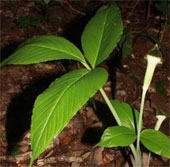
Scientists have just announced a new plant located in the core zone of Bu Gia Map National Park, Binh Phuoc, and named the chairman of the Academy of Science and Technol…

Recent research by American scientists shows that some plants can be felt when they become food, and they don't like it.
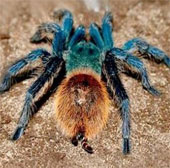
A scientist named the newly discovered spider breed, John Lennon, is a fan of The Beatles.
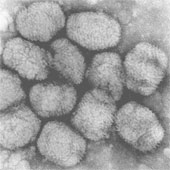

Experts say that the fungus, after clinging to the skin, is ingrained into the respiratory organs, destroying the breathing holes and sucking water from the amphibian.
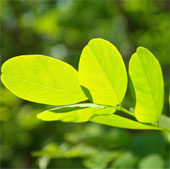
Plants do not get sunburn because they secrete substances that act as sunscreens, helping to protect them from harmful sun rays.

Understanding more about the historical origins of the tomato and the retrograde owl from a poison to the fruit shook the world.
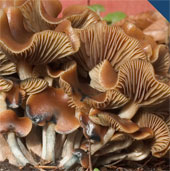
Active ingredient psilocybin in hallucinogenic mushrooms (also called
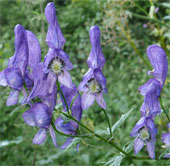
A gardener in England passed away a few days after being admitted to the hospital, with the cause believed to be due to contact with the father.
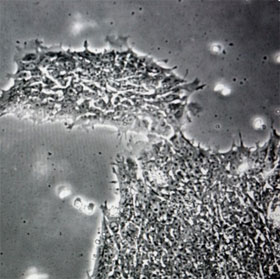
American scientists at the John Hopkins and Nebraska University School of Medicine accidentally discovered a virus in algae that could infect the human brain.
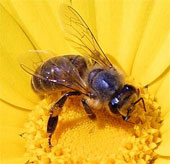
A new study found that honey bees have ancestors in Asia, contrary to the previous view that they came from Africa.
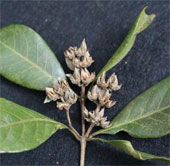
The three-sided oak has the scientific name Trigonobalanus verticillata Forman, belonging to the genus Trigonobalanus - the genus of plants has the lowest level of evolu…

There are two species of Demodex common on human skin, Demodex folliculorum, often parasitic in hair follicles, hair and Demodex brevis usually parasitic in the sebaceou…