
Environment
The North became cold again
After the sunny New Year days, from today, 11/2, the North will experience a new cold spell.
Explore science in everyday life, from weather and health to wildlife, geography, human biology and unusual phenomena around the world.
9,109 published items in this category and its subcategories.
After the sunny New Year days, from today, 11/2, the North will experience a new cold spell.
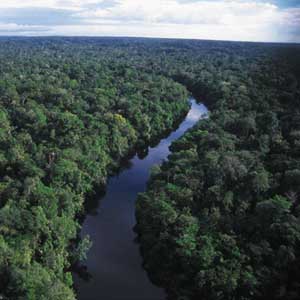
On February 9, experts from the Amazon rainforest in South America have accelerated the climate change process in the meteorological regions of the United Nations and in…
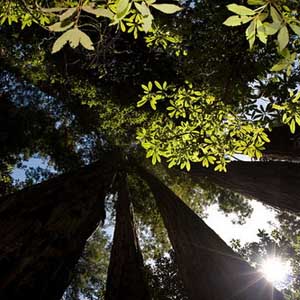
The United Nations has declared, 2011 is the international year of forests. In response to this event, the International Conservation Organization (CI) has just announce…
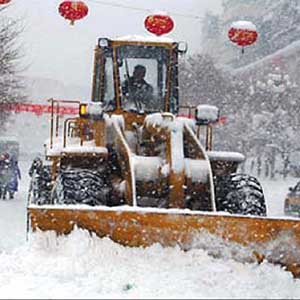
The heavy snowfall that has been unprecedented in the past 100 years in the eastern coast of South Korea has paralyzed provinces and cities.

Last October, scientists warned that high alkalinity is a major threat to Hungar farmers' harvest.

Two days after two powerful earthquakes over 6 Richter levels shook Central and Southern Chile - which was badly damaged in the earthquake last year.

Malaysia's deforestation rate is three times faster than that of all Asian countries combined and even peat-rich forests along the coast of Sarawak state, the largest st…

On February 15, the United Nations Food and Agriculture Organization (FAO) began a program to reduce climate change impacts of global agriculture with financial support…

The northern provinces continue to have weakening and moving gradually to the east, so on February 17, the North continues to cold, with small rain and drizzle.
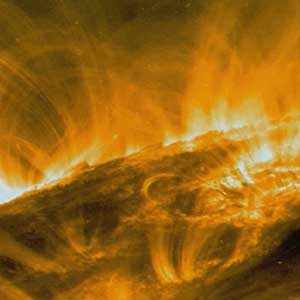
Yesterday, radio communications in southern China fell into paralysis by the strongest solar wind in four years.

At the end of this week, there will be an additional cold air to the Northern provinces. However, the Northern Delta will no longer be cold and damaging.
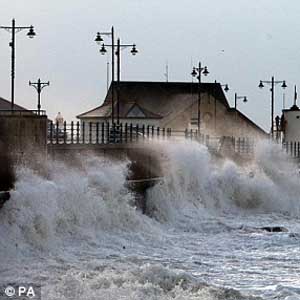
Sea level rise due to climate change may threaten more than 180 US coastal cities by 2100.
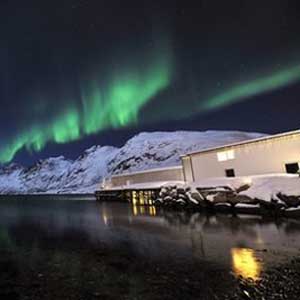
Instead of causing a strong storm from all over the planet, the strongest solar wind in the last 4 years only created storms from a small part in the northern hemisphere.
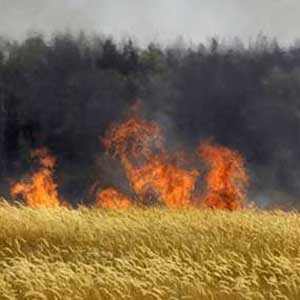
World scientists have highlighted the evidence that human activity has made climate change more extreme globally for decades.

On February 19, the northern provinces continued to maintain the cold due to the weak air-conditioned influence, the combination of high-speed West wind currents.